Services
As a cross-program institution, the TLC is the first point of contact for all didactic questions and supports teaching staff, students and internal departments with a wide range of services, exchange, advice and further training opportunities.
The TLC’s main areas of responsibility are:
Further training in teaching and learning
E-Learning, support & infrastructure
Innovation & knowledge hub
Service areas
Competence Center for E-Learning
The Competence Centre for E-Learning is the contact for topics and questions relating to teaching in the digital age at FHWien der WKW. It supports lecturers in the development of future-proof learning programs and promotes the necessary skills acquisition.
Writing Center
The Writing Centre supports students (with self-study materials, workshops, consultations and peer-learning) in the academic writing process and offers further training opportunities for lecturers and supervisors to promote writing skills as part of the TLC further education program.
Best Practice Examples for Teaching at FHWien der WKW
Escape Room-Chatbot
by Elka Xharo
In the “Business Data Analytics and Formal Foundations” course, Elka Xharo developed a Custom GPT chatbot as an escape room. Students solve ten statistics puzzles in a haunted castle (a mix of multiple-choice and open-ended tasks), receive feedback and hints, and earn a final certificate with a title. The format lowers barriers, sparks curiosity, and deliberately integrates AI in a positive way.
And just like that, studying fits into life
by Tonina Liriel Aurel
In a master’s statistics course in Organisational and HR Development, Tonina Liriel Aurel designs “structured freedom”: repeating learning loops with interactive input, examples, one key task per session, small-group work with peer feedback, and an individual revision supported by personal written feedback. Across seven tasks, students build a practical research plan for their own thesis; flexible submission windows and a 40/60 points scheme reduce pressure and boost motivation—while requiring careful planning of the feedback workload.
Self-organized learning
by Christina Schweiger & Sigrid Maxl-Studler
Self-organized learning is a key factor for academic success. In a Master’s course on learning and development theory, students worked in teams to independently develop learning theories, reflected on their process in learning journals, and applied diverse methods. The goal was to move from external control to self-directed learning and to foster a sustainable learning culture.
News & Events
Team
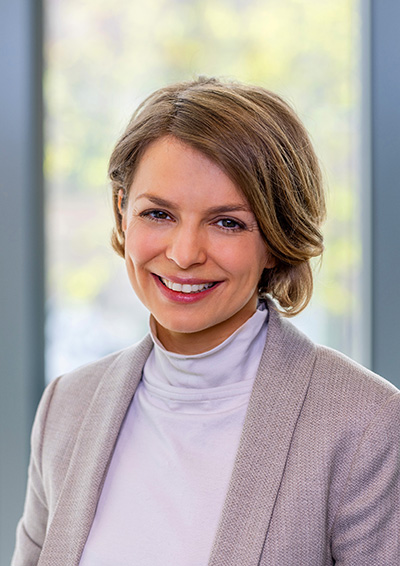
Mag.a Dr.in Silke Schwaiger
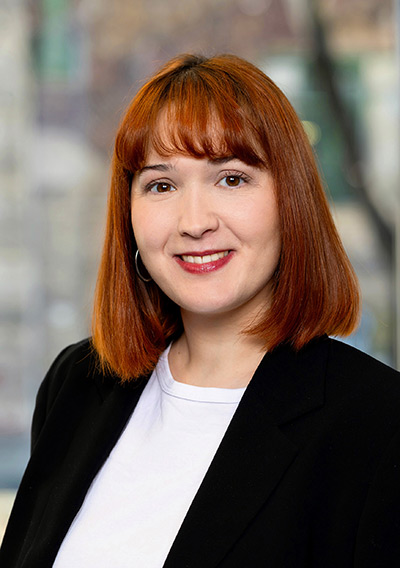
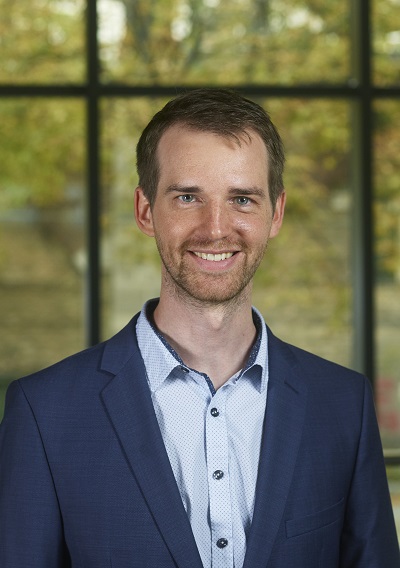
Tobias Schwarzbauer, Bakk.phil. BA
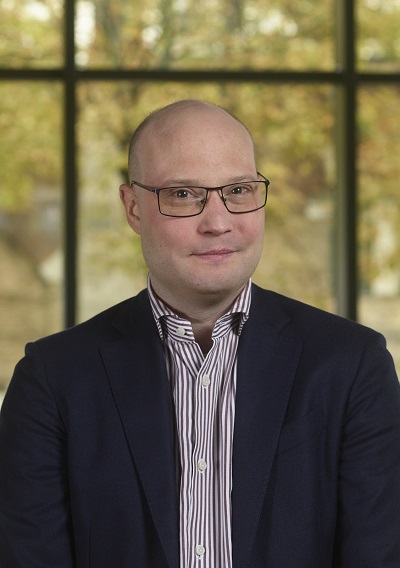
Wolfgang Ruge, M.A.