The playbook “The Places To Be” is the result of a cooperation between Vienna Tourism, the Endowed Chair for Sustainable Urban and Tourism Development at FHWien der WKW and Urban Innovation Vienna. The practical handbook entitled “Playbook – The Places To Be” was presented to an interested specialist audience and discussed together as part of a dialogue at the Looshaus. The “Playbook” is aimed at stakeholders in urban and tourism development and specifically at cities that want to link tourism strategies more closely with urban development. It summarizes twelve guiding principles derived from international and Viennese projects.
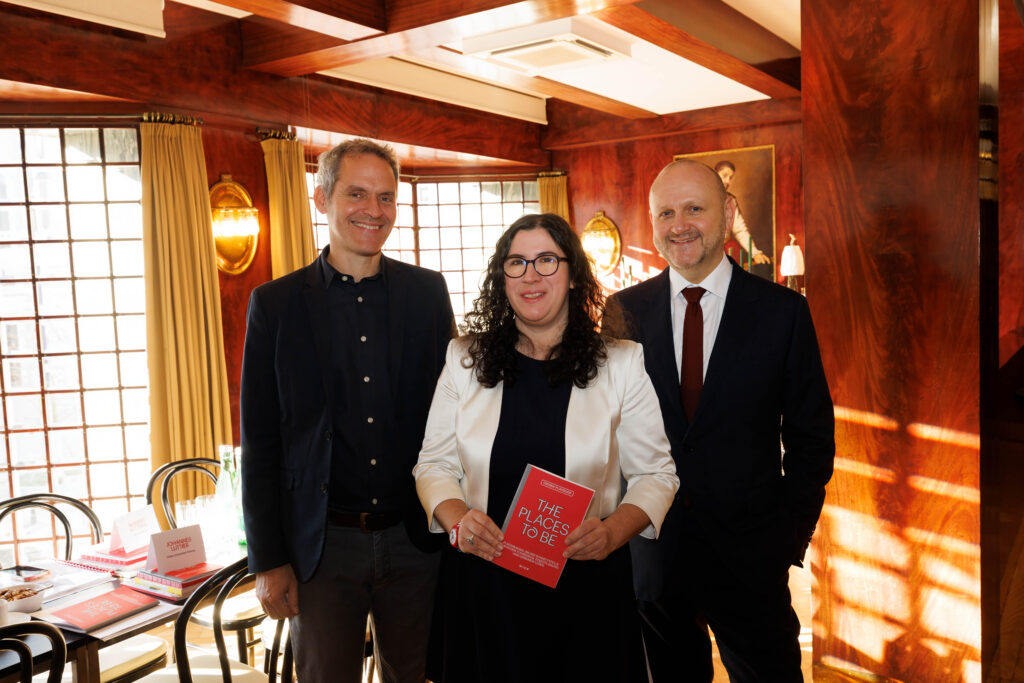
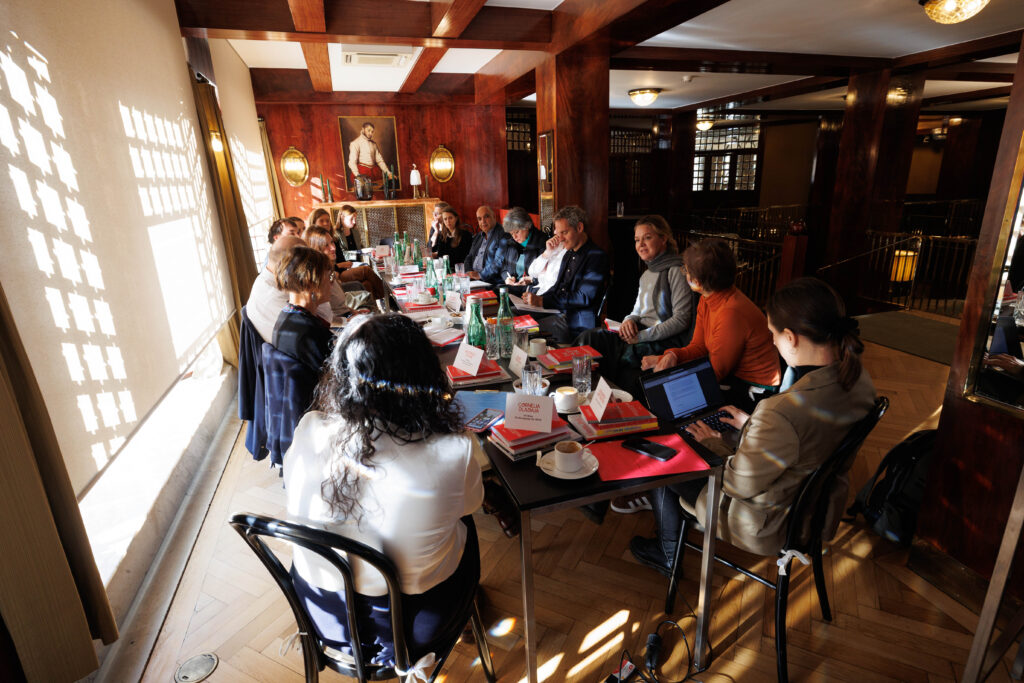
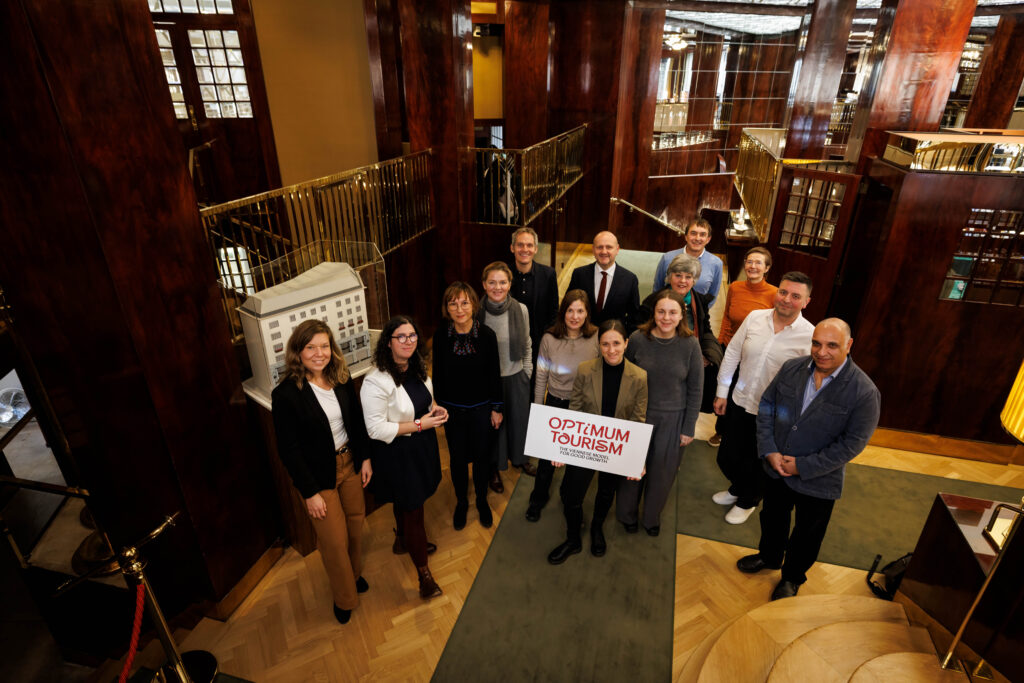
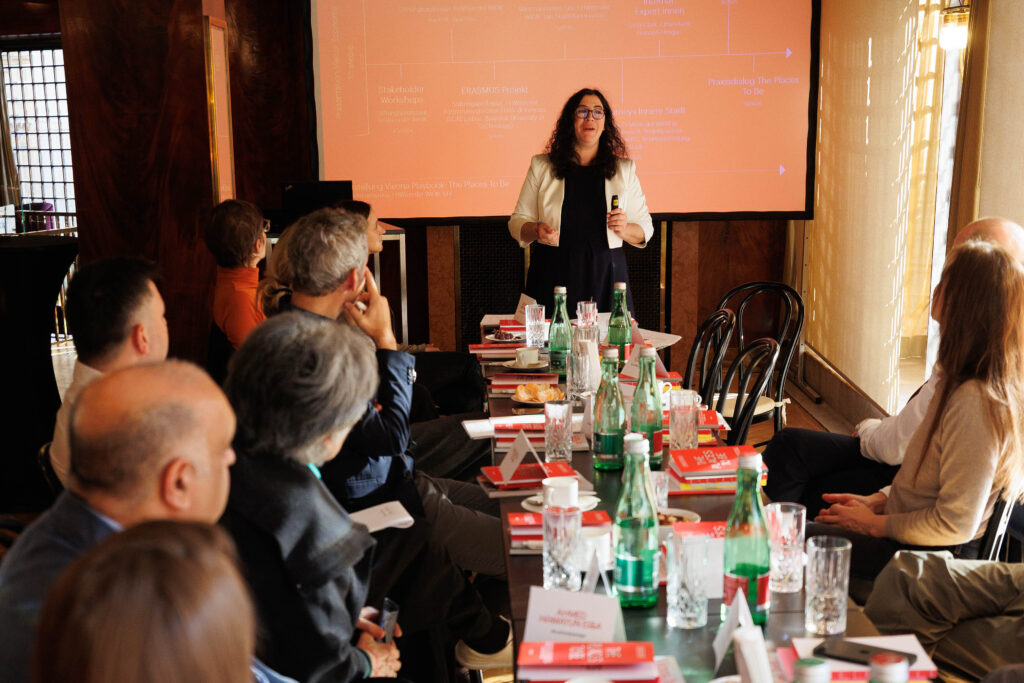
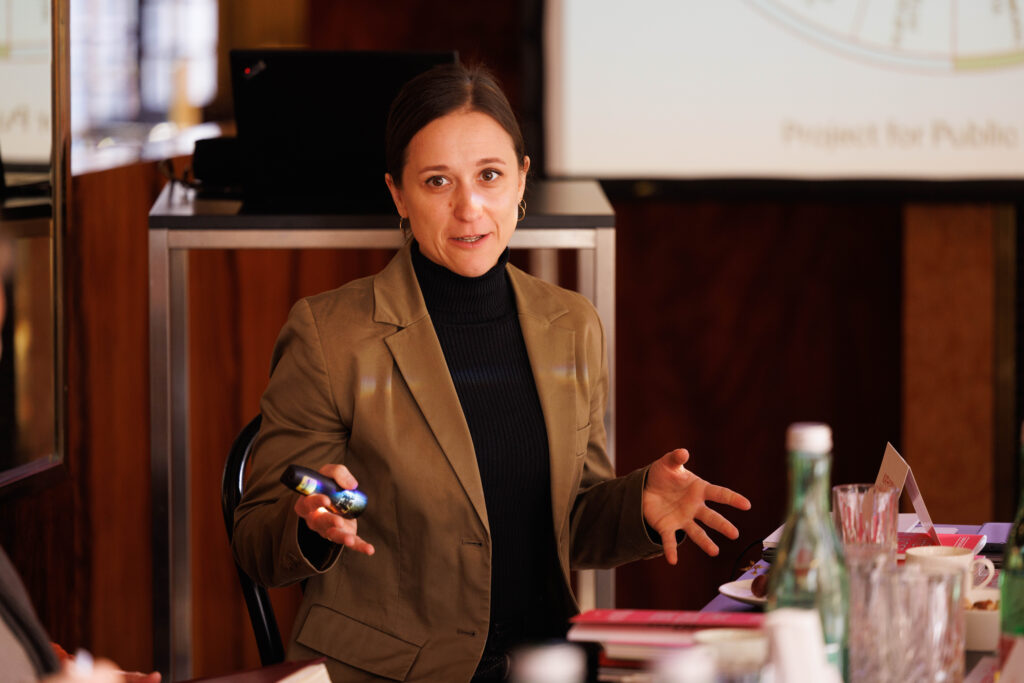
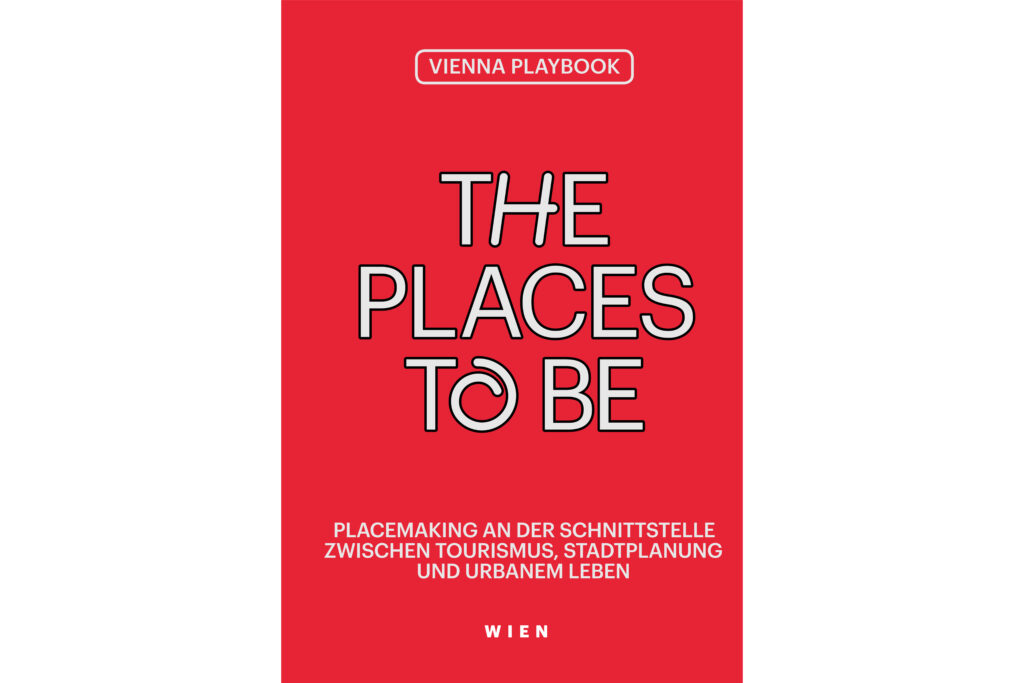
Vienna not only stands for culture, music, and history, but with 9 million tourists, it is also one of the top 10 destinations in Europe. At the same time, it is one of the most livable cities in the world. The combination of rising visitor numbers, high quality of life and urban diversity calls for strategic planning. Together with Vienna Tourism and other experts, endowed professor Cornelia Dlabaja developed the Vienna Playbook “The Places To Be”. This practical guide is intended to help develop urban space in a targeted, well-thought-out and sustainable manner.
With the Playbook, Vienna is responding to three key challenges: rapid growth of the city, the need for intensive cooperation between urban planning, tourism and other stakeholders and the sensitive handling of the city’s historical fabric.
Scientific support for the Visitor Economy Strategy
Cornelia Dalabja, endowed professor for sustainable urban and tourism development at FHWien der WKW, has been providing scientific support for Vienna’s Visitor Economy Strategy for almost two and a half years now, particularly in placemaking. She analyzes how tourism and urban planning can work together to create new urban spaces that appeal to residents and visitors alike.
In placemaking processes (loosely translated as creating new urban hubs), urban planning and tourism should be treated even more as cross-disciplinary fields in the future. The core principle is that only places that work for the local population are also attractive to visitors.
Together with international experts such as Ethan Kent (PlacemakingX), Greg Clark (The Business of Cities) and representatives from Urban Innovation Vienna, the Vienna model is being introduced into the global placemaking discourse beyond the city limits.
The twelve principles: The core of “The Places To Be”
The playbook formulates twelve concrete principles that serve as guidelines for the design of urban spaces:
- Strategic alliance between tourism and urban development
- Cooperative governance: Bringing everyone to the table
- Place management: Local responsibility through co-creation
- Place-based development: Strengthening local identity
- Shared narrative: Making what is special visible
- Experiment and develop: Realizing potential through temporary, cost-effective measures
- Designing public spaces as urban living rooms
- Activating ground floor zones: Revitalizing streets from the inside out
- Investing in social infrastructure that strengthens the community
- Striving for sustainability as a design principle
- Setting clear rules for living and public life
- Measuring what is important for places and people
These principles offer a compact but comprehensive framework — from governance and participation to the activation of open spaces and social aspects to sustainability and evaluation.
More information on and download of the “Playbook.”
More information about the research work of the endowed professorship.