How can cities be designed to enable participation and promote social justice? This question was the focus of the third edition of the event series “rethink inclusion– shaping social participation,” which took place in Vienna at the end of November. In her presentation, Cornelia Dlabaja, Endowed Chair at FHWien der WKW, classified inclusion as a fundamental prerequisite for livable cities.
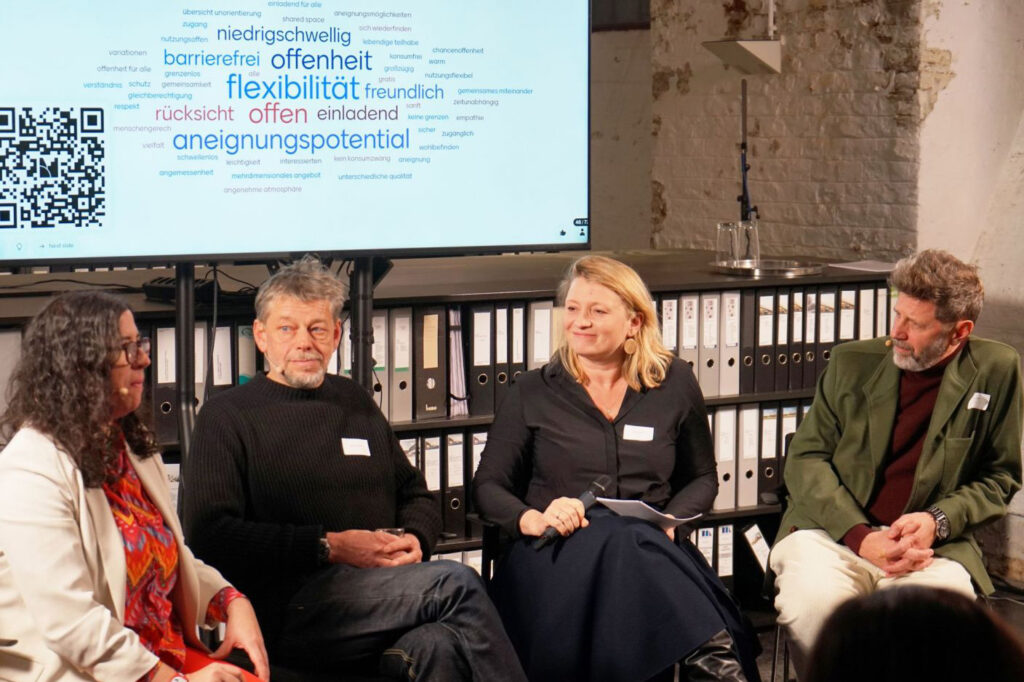
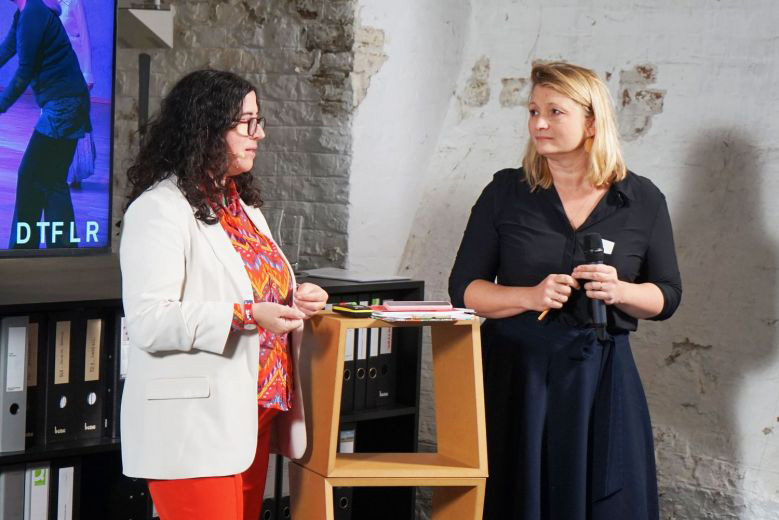
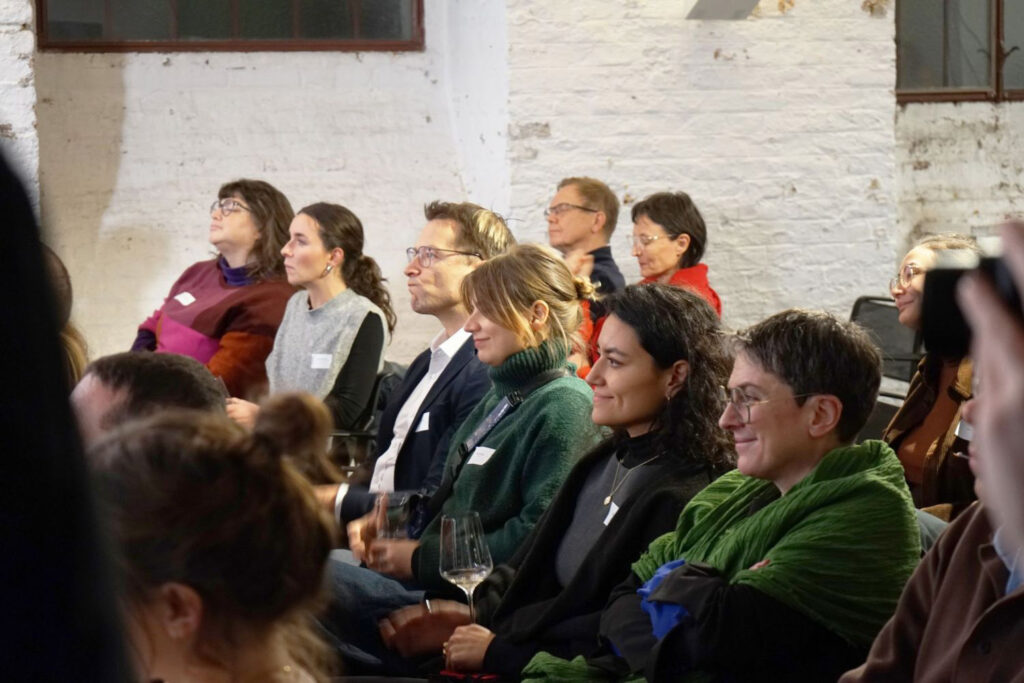
Cornelia Dlabaja on inclusion in urban development
Vienna-based sociologist and cultural scientist Cornelia Dlabaja opened the event with an urban planning and theoretical perspective on urban development and inclusion. As Endowed Chair for Sustainable Urban Tourism at FHWien der WKW, she has more than 15 years of research experience at the district and neighborhood level. In her presentation, she showed that inclusion goes far beyond structural accessibility and encompasses social, cultural, and economic dimensions.
Using examples from Vienna, Germany, and Europe, she made it clear how urban planning can both enable participation and reinforce exclusion. She referred to the “right to the city” as a fundamental right of all people, shifting the responsibility from individuals to structural conditions. Dlabaja analyzed different levels of urban space, current social challenges, and the factor of time as central elements of inclusive urban development. She argued that built space must be oriented toward the needs of social space, especially at the neighborhood level. She did not see urban development as the task of individual professional groups, but as the collective responsibility of many actors.
The city as a social space for all people
Alexander Hager, co-founder of the Viennese architecture firm gaupenraub +/-, rounded off the evening with insights into his planning practice, in which social participation and working on an equal footing are central principles.
Markus Zoller presented the revitalization project at the Otto Wagner site as an example of the transformation of a historic hospital complex into a versatile urban space that combines education, social services, culture, and health.
The third edition of “Rethink” made it clear that inclusive urban development requires openness, a change of perspective, and long-term commitment. Inclusion remains a shared task—and one in which inaction is not an option.
More information about the Endowed Chair for Sustainable Urban Tourism