What does transformation really feel like? How much courage do I need to embrace change? Do only big “Bold Moves” require courage, or do the small daily decisions we make actually make us brave? And how can courage drive change in companies and organizations?
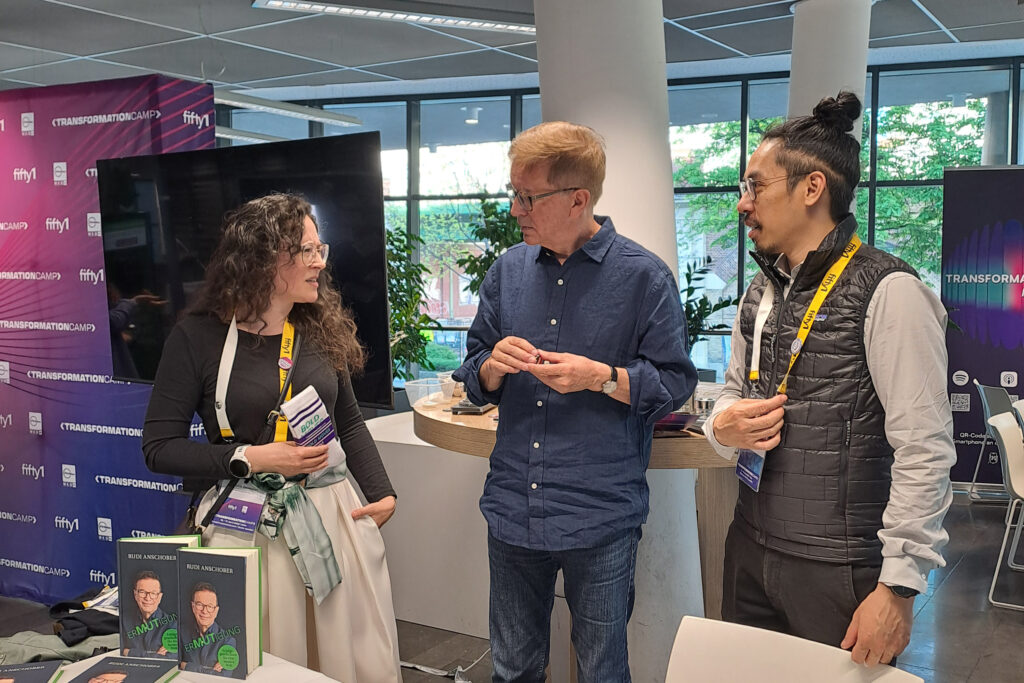
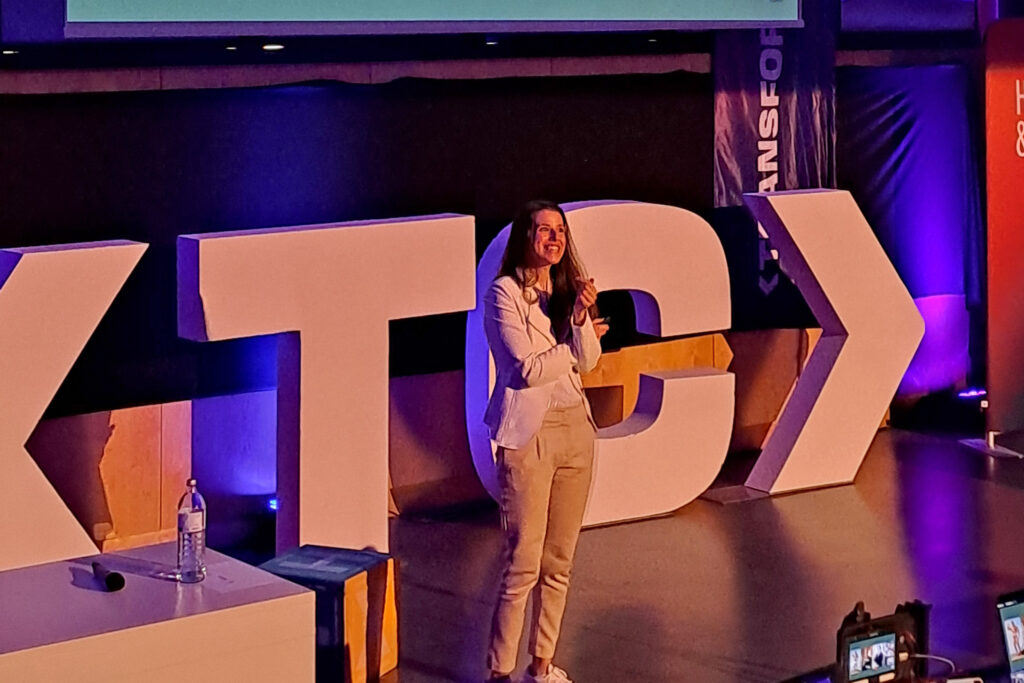
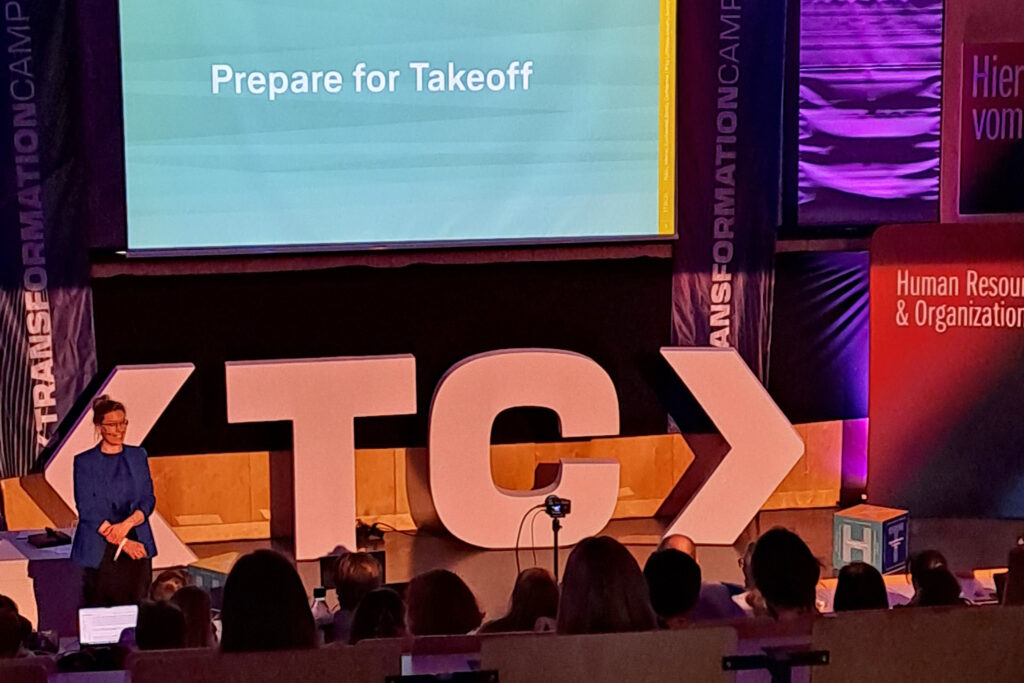
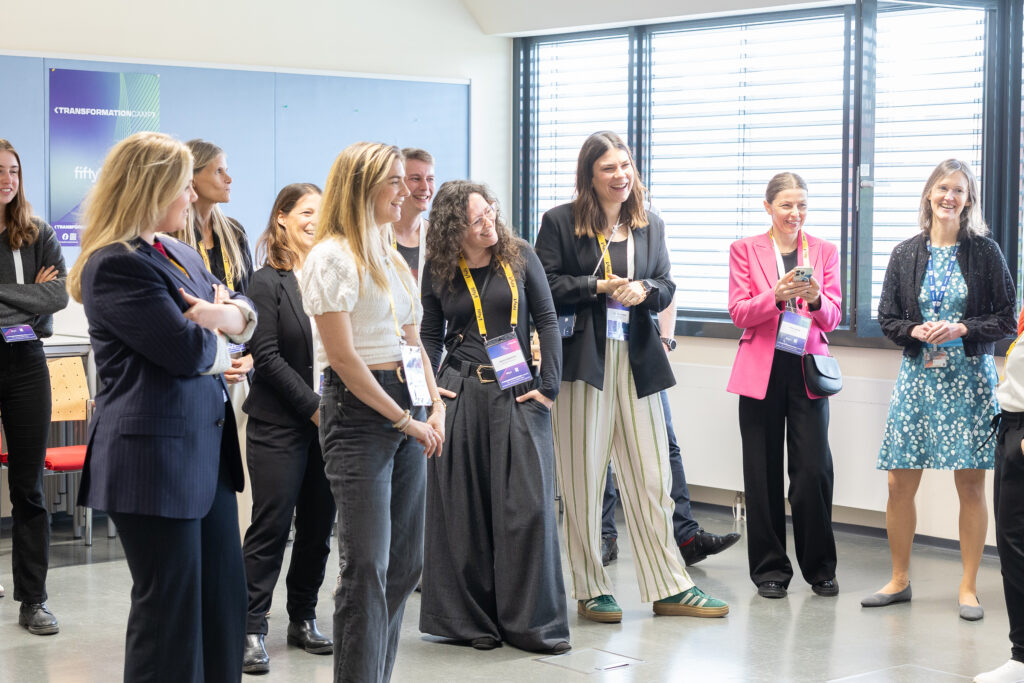
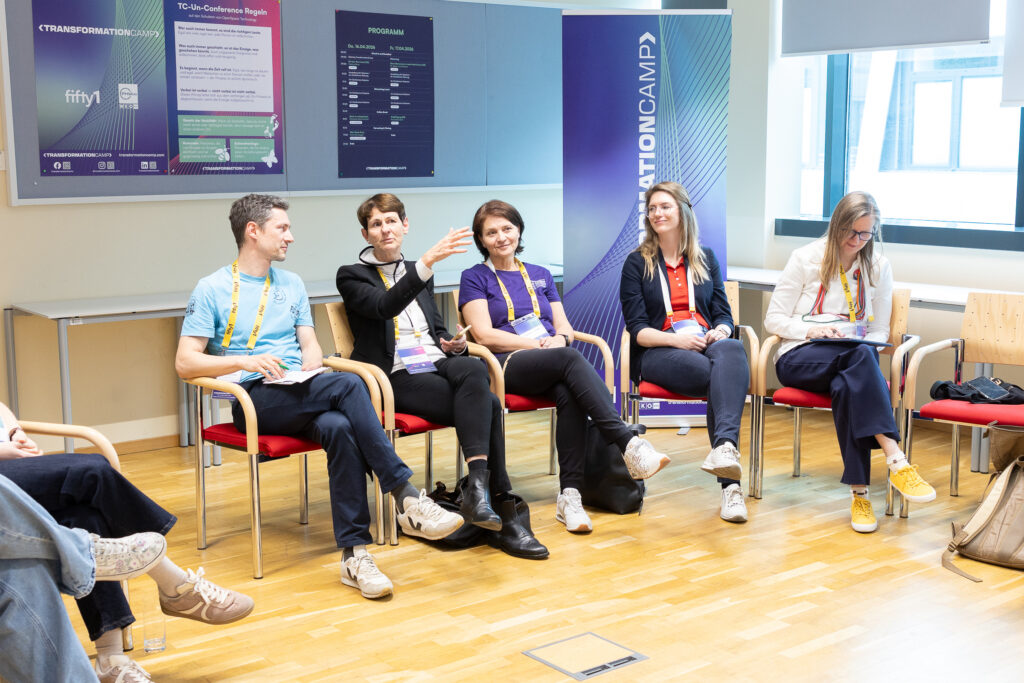
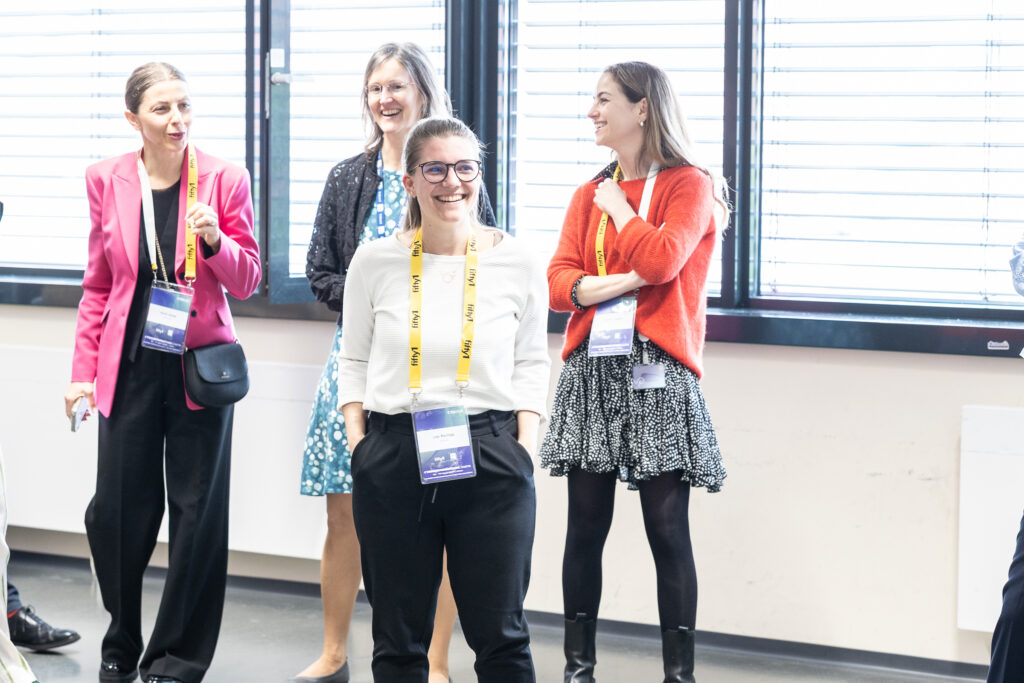
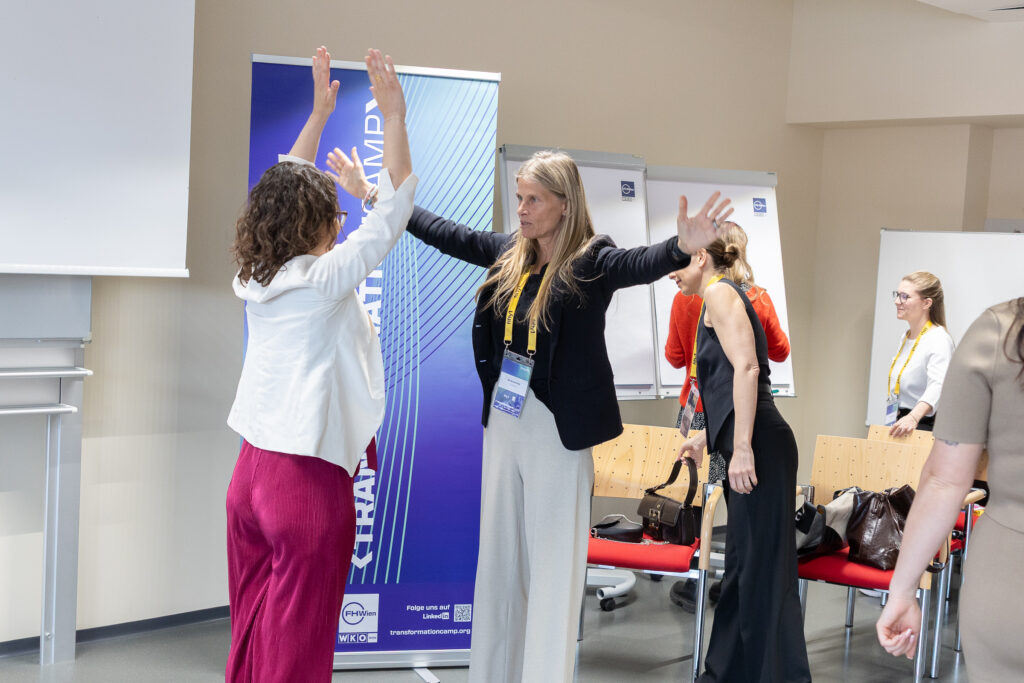
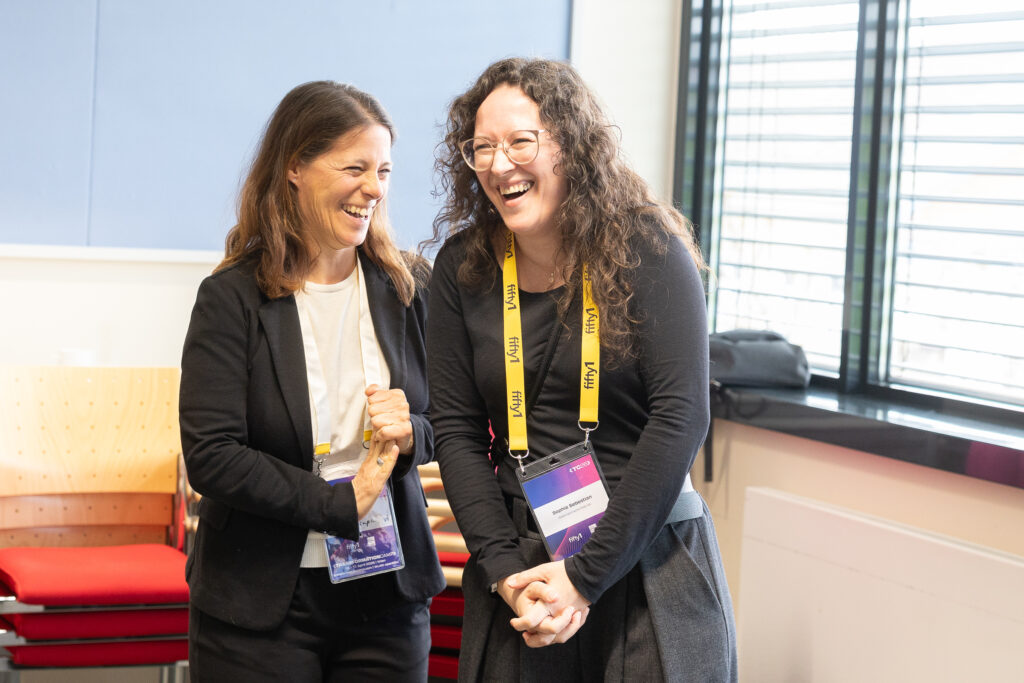
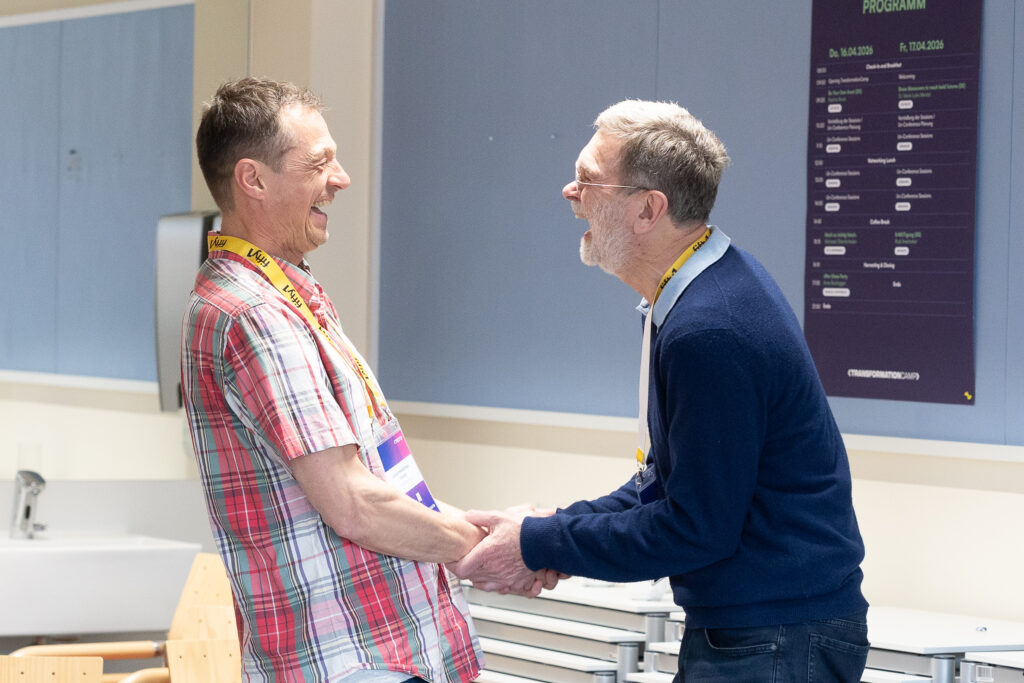
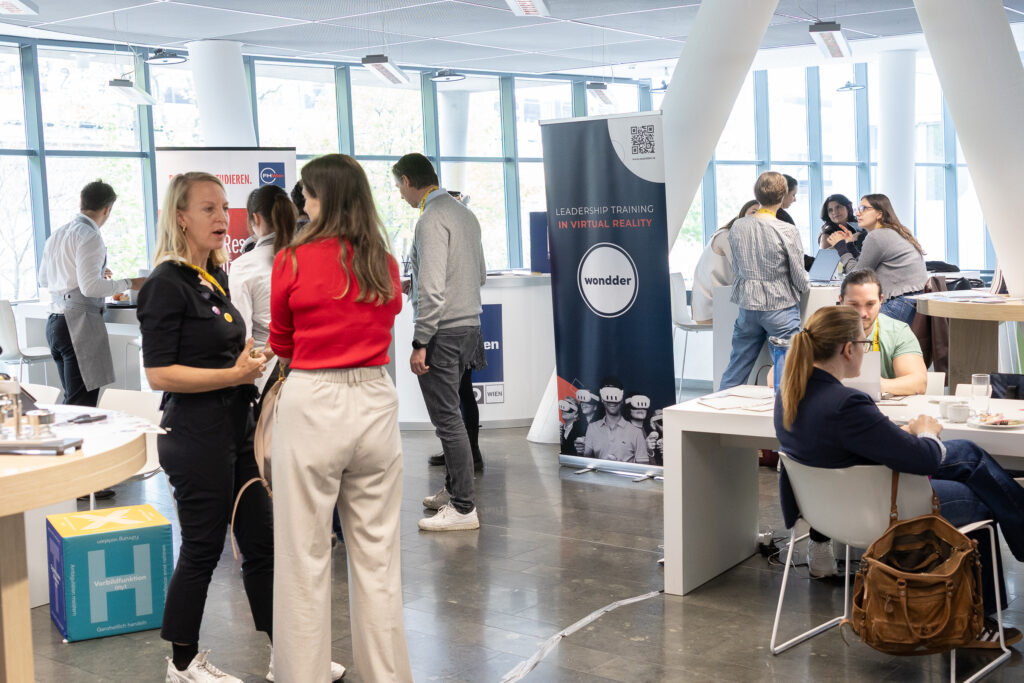
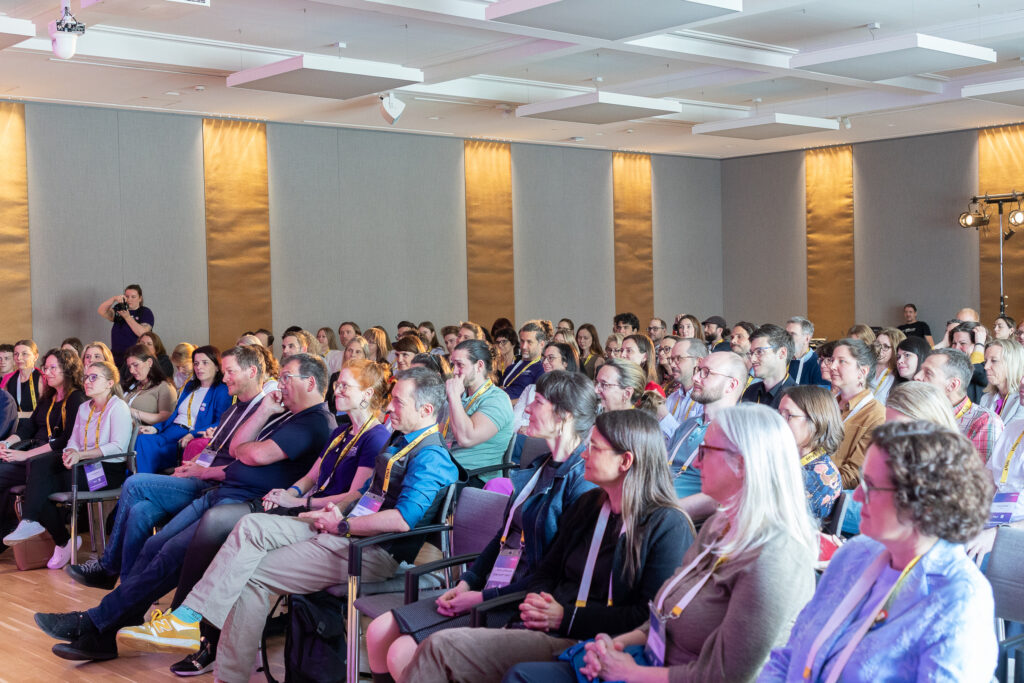
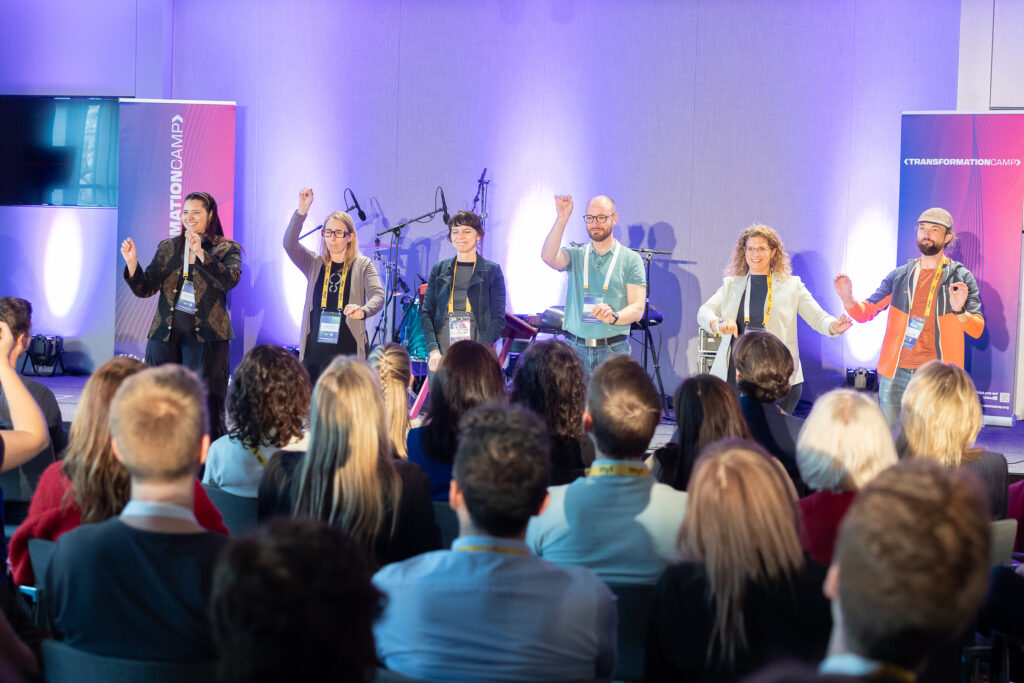
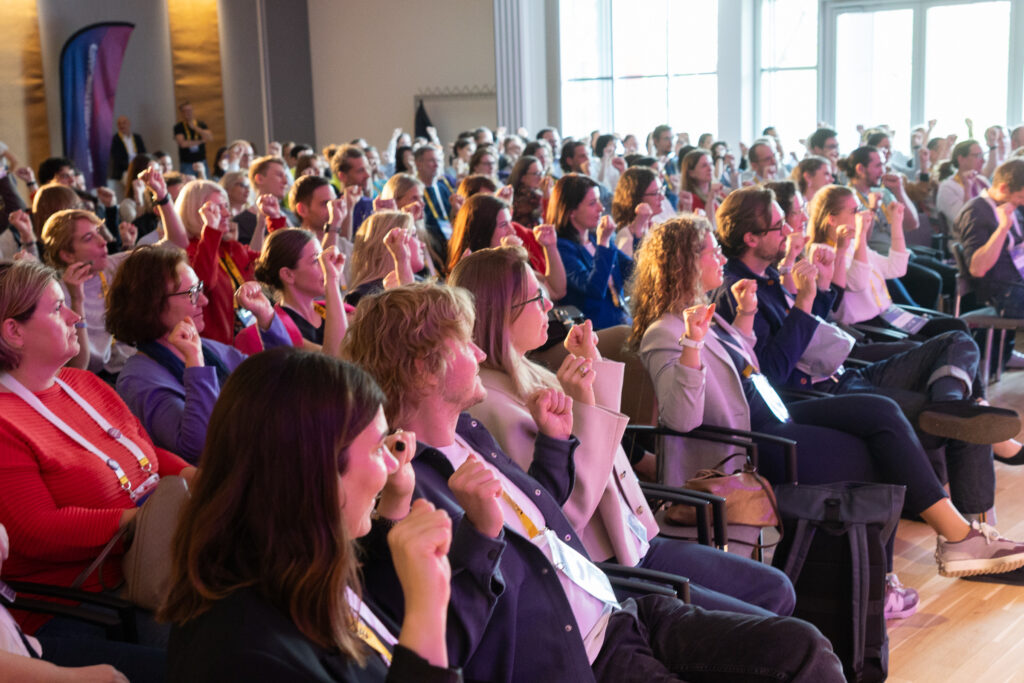
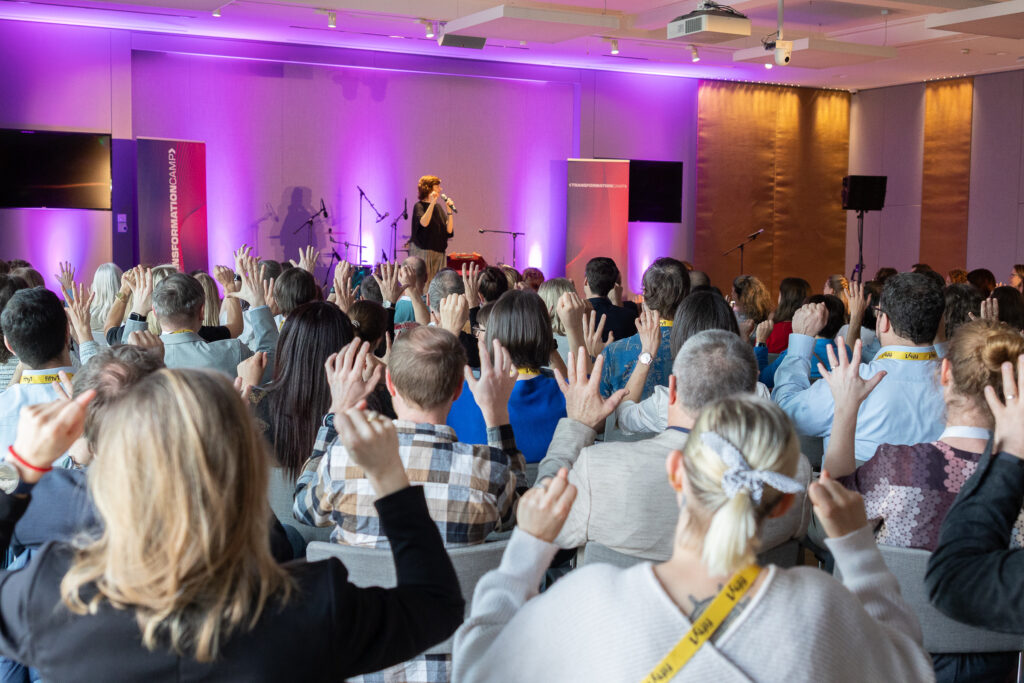
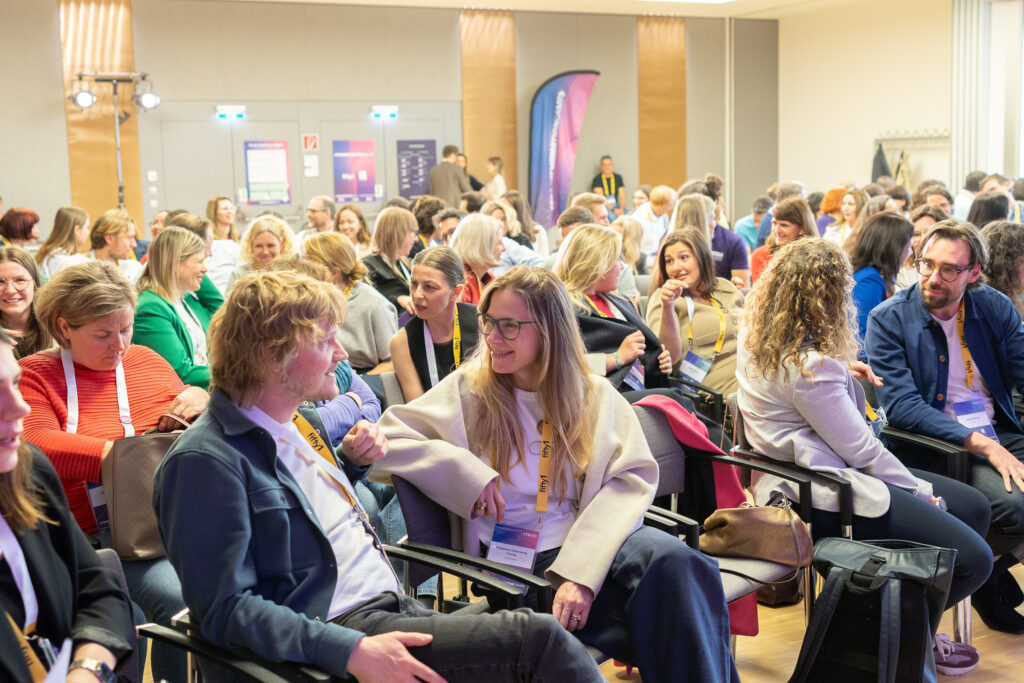
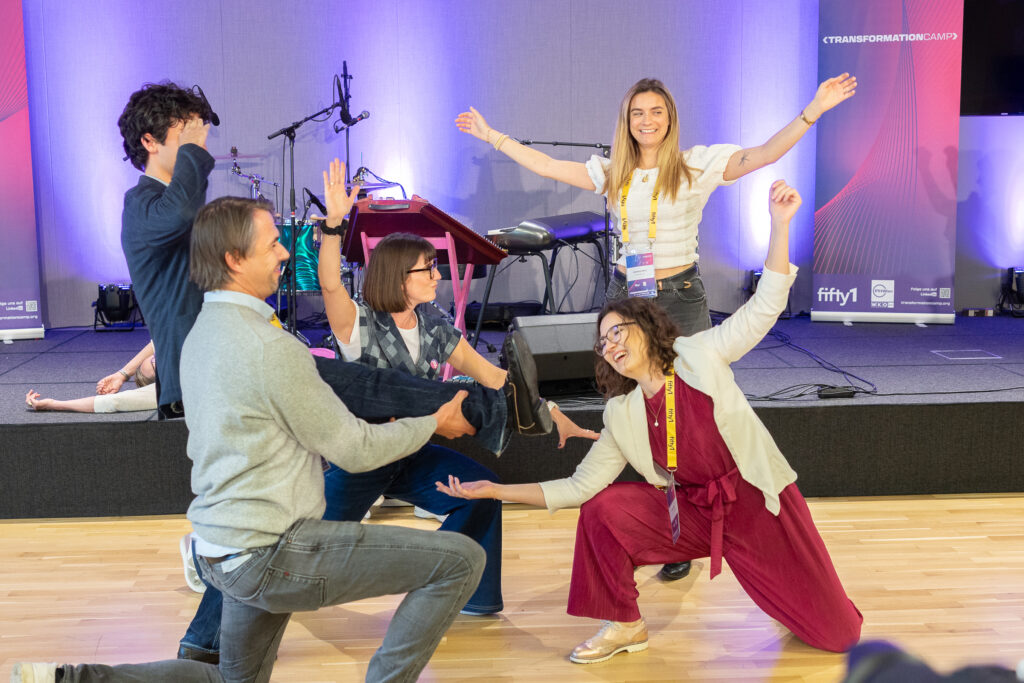
These questions were at the heart of the Transformation Camp, which was jointly organized by fifty1 and the Human Resources & Organization Study Programs at FHWien der WKW on April 16 and 17, 2026. Under the motto “Bold Moves”, over 170 representatives from companies, NGOs, NPOs, educational institutions and consulting firms, as well as students in the Master’s program in Organizational & Human Resource Development, came together to do just that: not only to discuss transformation, but to actively experience it.
Un-Conference: A format that thrives on participation
The Transformation Camp is deliberately designed as a so-called unconference. This means there is no rigid agenda and no predetermined content—instead, participants contribute their own questions, experiences and perspectives. Sessions arise spontaneously or are developed collaboratively, fostering knowledge transfer on an equal footing.
Many participants found this openness particularly valuable. One participating student described the format as “genuine knowledge transfer on an equal footing”, where knowledge is not merely consumed but co-created.
This setting opens new perspectives, especially for students: they are not just listeners but active co-creators. They discuss with experienced practitioners, contribute their own ideas and experience firsthand how complex and dynamic transformation processes in organizations actually are.
Inspiring Insights: Keynotes and Key Performances
In addition to interactive sessions, the Transformation Camp also provided thought-provoking insights through keynote speeches and a special keynote performance.
FHWien der WKW graduate Kosima Kovar opened the Transformation Camp with a central idea: Bold decisions require a safe framework. After all, failure is also essential and often the start of something great. For her, however, courage is not just the “one big step”, but the many small ones and the simple act of “doing”—a realization that left a lasting impression on many participants.
Marie-Luise Menzel spoke about her time as COO/Vice President of Delivery at Lufthansa Industry Solutions. She complemented the perspective of the previous speaker with thoughtful insights from her practical experience and demonstrated how transformation is actually put into practice in the day-to-day operations of a corporate group.
Former Minister Rudi Anschober shifted the focus and spoke about encouragement as the key to change. Especially in complex times, he said, we need people who open up new perspectives and provide guidance. His message: Progress often arises from compromise and common ground—and don’t forget to dream!
A special highlight was the interactive keynote performance by cabaret artist Michaela Obertscheider. With the motto “Do it right wrong.”, she invited the audience to rethink failure. Mistakes were presented not as a risk but as a necessary component of innovation, making this concept tangible and providing spectacular entertainment.
More than 40 Sessions: Learning from real-life experience
At the heart of the TransformationCamp were the numerous sessions designed by the participants themselves. The wide range of topics impressively demonstrated just how diverse the concept of transformation can be. Here are a few examples:
- Employer Branding at ASFINAG: How bold campaigns emerge when organizations break new ground
- Dynamic Shared Ownership at Bayer: Making decisions where the work happens—moving away from hierarchies toward greater personal responsibility
- Cultural Transformation at Wien Energie: Employees as Catalysts for Change
- Hybrid Organizations and AI: Why Many Companies Are Still Hesitant—and Why Experimenting Is Crucial Right Now
- Skill-Based Organizations & AI: How Organizations Can Rethink Competencies
- Trust in Organizations: What We Can Learn from Nature About Stable Systems
- Future Skills: Which Competencies Are Critical in a VUCA World
- Gen Z & Gen Alpha in the Workplace: Why Differentiated Perspectives Are More Important Than Simplistic Labels
In total, over 40 sessions were held over the two days. This diversity made it clear that transformation is not a clearly defined process, but rather an interplay of a wide variety of perspectives, experiences and approaches.
The Active Role of FHWien der WKW
The Human Resources & Organization Study Programs not only hosted the event but was also actively involved in shaping the Transformation Camp. Lecturers and students contributed their own content and played a key role in shaping the program.
For example, Head of program Christine Schweiger and Academic Expert & Lecturer Sigrid Maxl-Studler led a session on Future Skills, discussing the competencies that university of applied sciences graduates will need in the future and how these can be developed. In their session on Inclusive Leadership, Gloria Warmuth and Katharina Thill from myAbility provided important insights into leadership in diverse and complex work environments.
Students in the Master’s program in Organizational & Human Resources Development were also actively involved and led their own sessions, including:
- Skills first, roles second – HR as an architect of the future
- AI isn’t much help on stage
- What Gen Z really thinks
These presentations demonstrate how deeply students are already engaged with current HR and organizational issues during their studies — and how they actively contribute to the discussion.
A Dialogue on Equal Terms: Voices from the Event
Many participants did not view the TransformationCamp as a traditional conference, but rather as a space for genuine exchange. One participant described it as a “safe space” where openness, feedback and the acknowledgment of uncertainties were possible.
The role of the students was also particularly highlighted: their involvement was seen as a great asset, as they brought new perspectives and fresh ideas to the discussion.
Christine Schweiger, Head of Human Resources & Organization Study Programs, emphasized the special significance of such formats:
“The TransformationCamp demonstrates how valuable the connection between academic study and professional practice is. Here, our students not only experience the current challenges facing organizations but also actively shape the future — that is precisely what makes learning sustainable and relevant.”
The event was also received very positively from an external perspective. Hilal Elif Atalay, a leadership developer at the City of Vienna, describes her impressions as follows:
“I was particularly impressed by the openness and quality of the discussions. The Transformation Camp creates a space where different perspectives come together and learn from one another — that is rare in this form.”
For the students themselves, active participation was a key part of the experience. Nicolas Hoser, a student in the Master’s program in Organizational & Human Resources Development who led his own session, sums it up as follows:
“Designing my own session was challenging and, at the same time, incredibly educational. The direct exchange with professionals opened up new perspectives for me that I wouldn’t have gained from my studies alone.”
An experience that leaves a lasting impression
What makes the Transformation Camp special is hard to pin down in traditional terms. It’s not an event where content is simply consumed. It’s a space where questions arise, perspectives shift and new ways of thinking are developed. Many participants report that the inspiration they gain continues to resonate long after the two days are over. Thoughts are explored further, discussions continue and ideas are applied to their own practice.
Or, as one participant put it: Transformation is not a project — it is an attitude.