In March 2026, Vienna became a shared learning space for approximately 40 students and faculty members from four European universities: FHWien der WKW (Austria), Iscte – Instituto Universitário de Lisboa (Portugal), Università Iuav di Venezia (Italy) and Universidad Nacional de Educación a Distancia – UNED (Spain). This took place as part of an Erasmus+ funded Blended Intensive Program (BIP), organized for the second time in Vienna by Cornelia Dlabaja and Danjela Wagner for the Master’s program in Urban Tourism & Visitor Economy Management at FHWien der WKW. For one week, eight international researchers and 40 students engaged intensively with the topic “Urban Transformation in the Interplay of Vacancy, Tourism and Short-Term Rentals.”
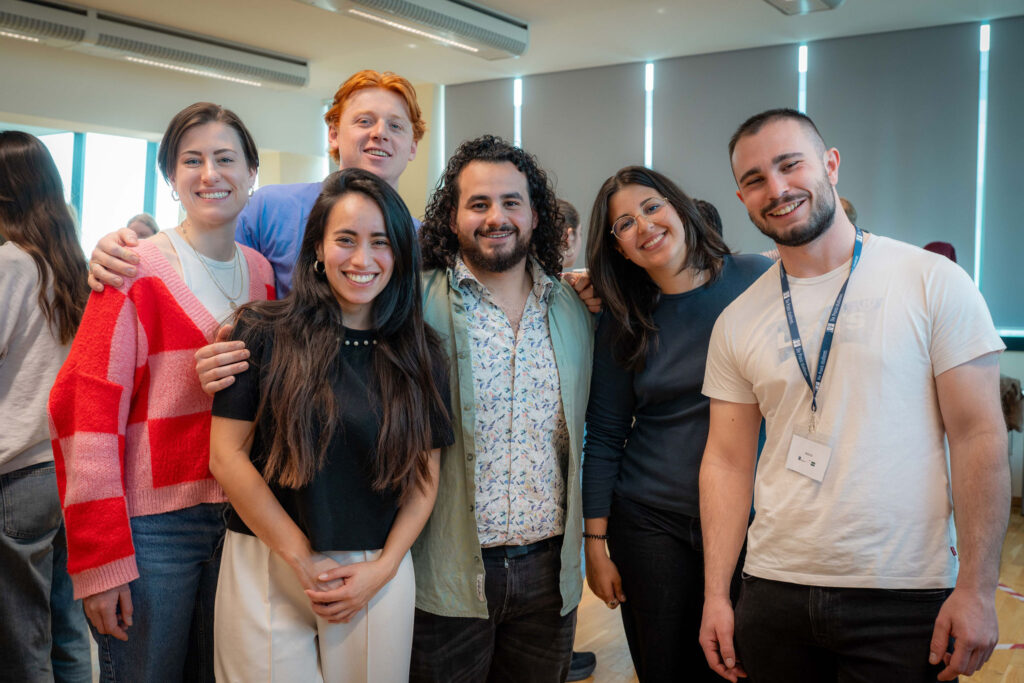
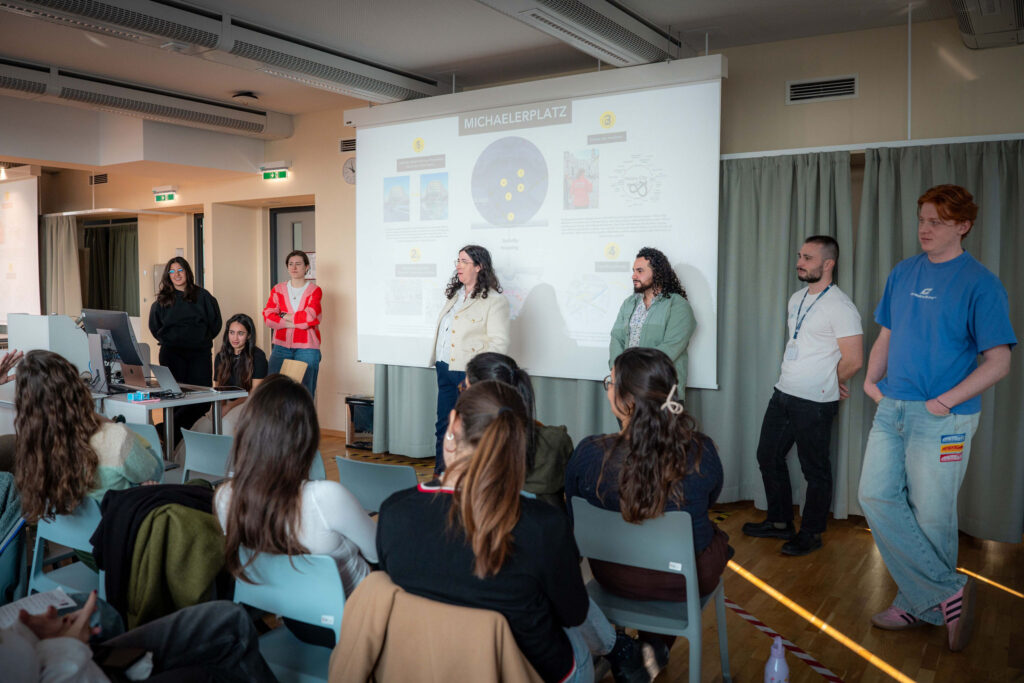
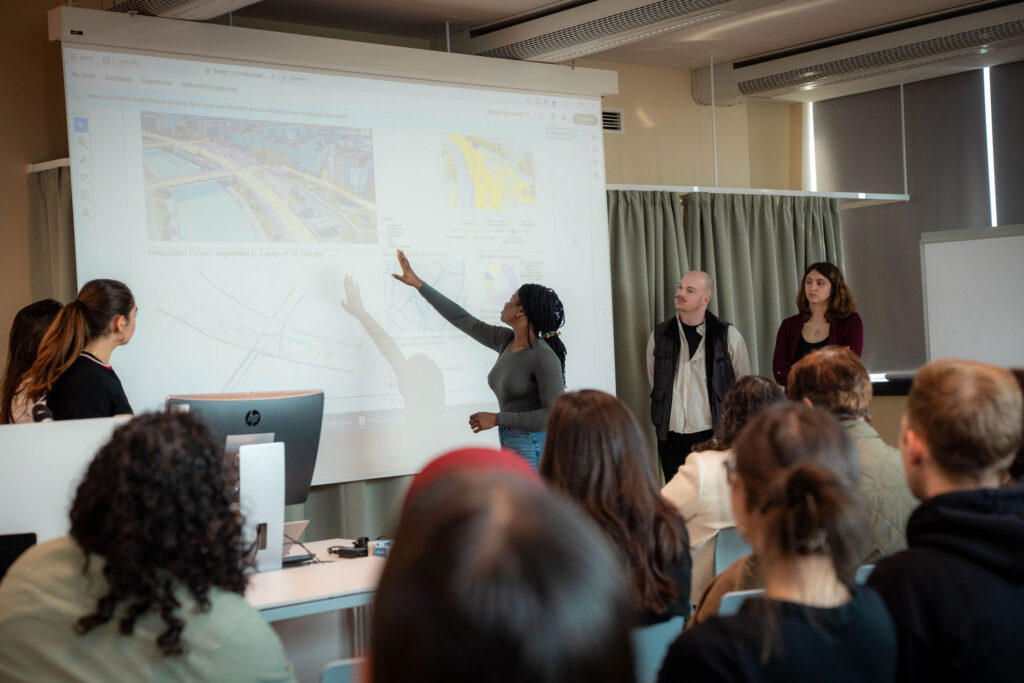
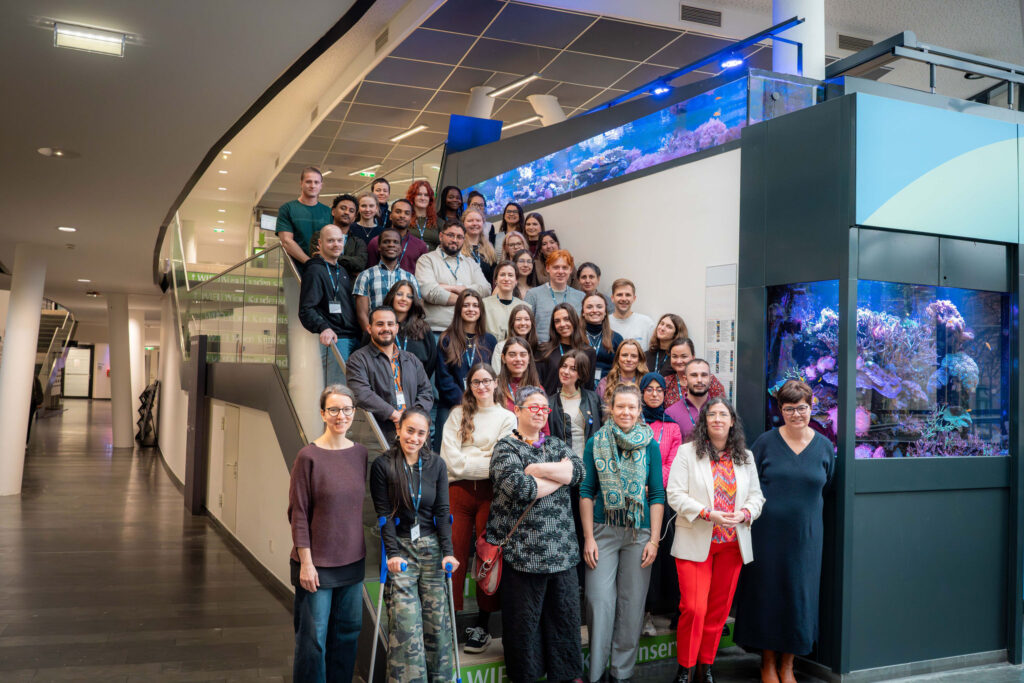
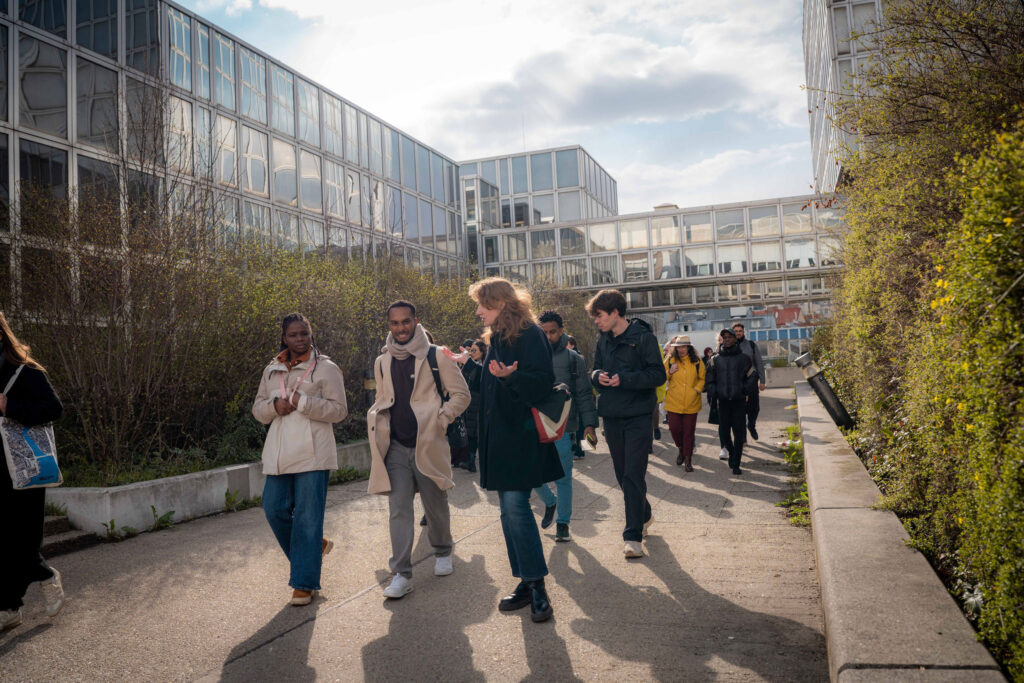
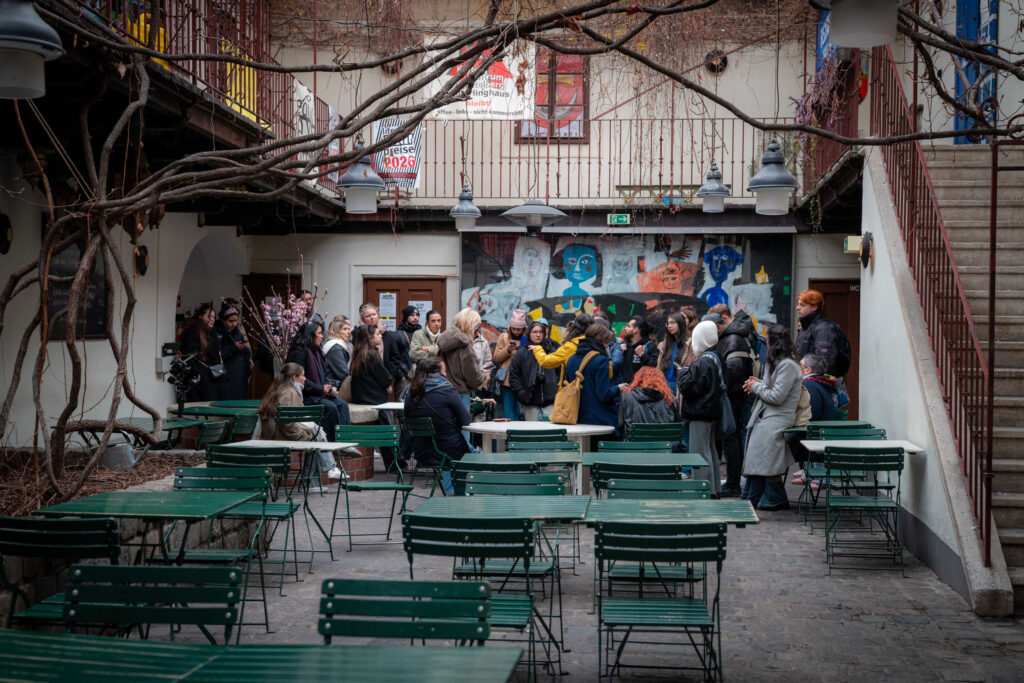
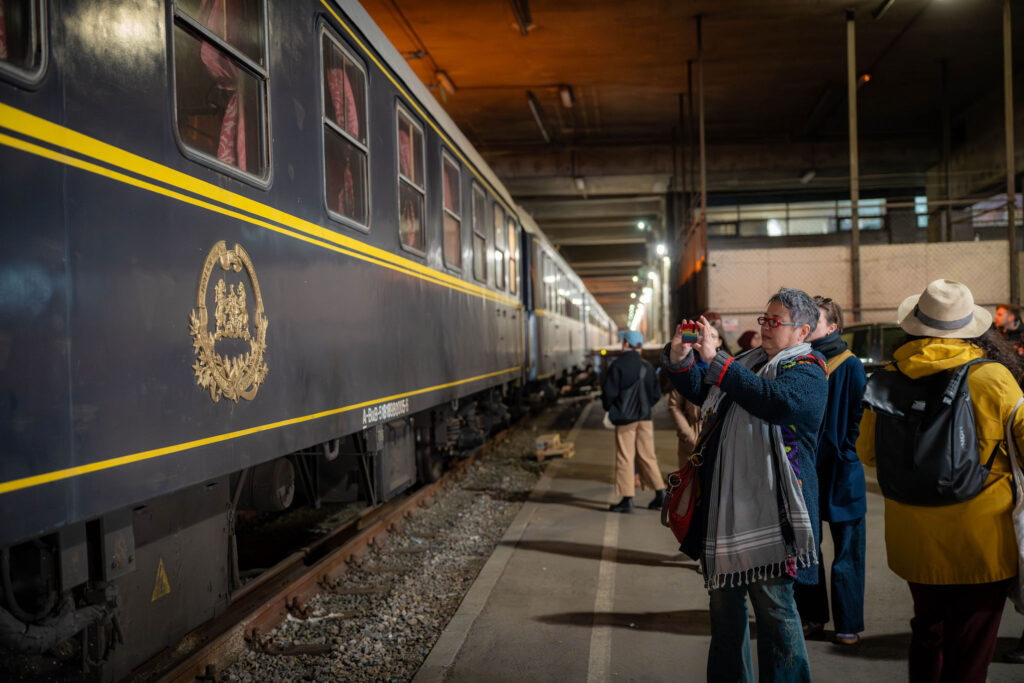
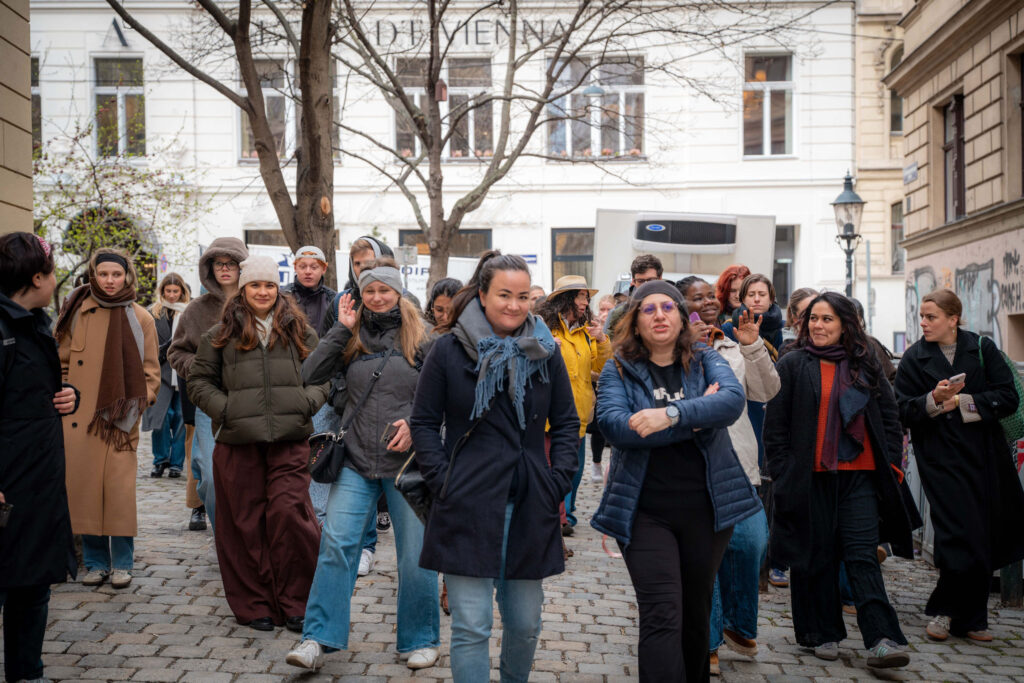
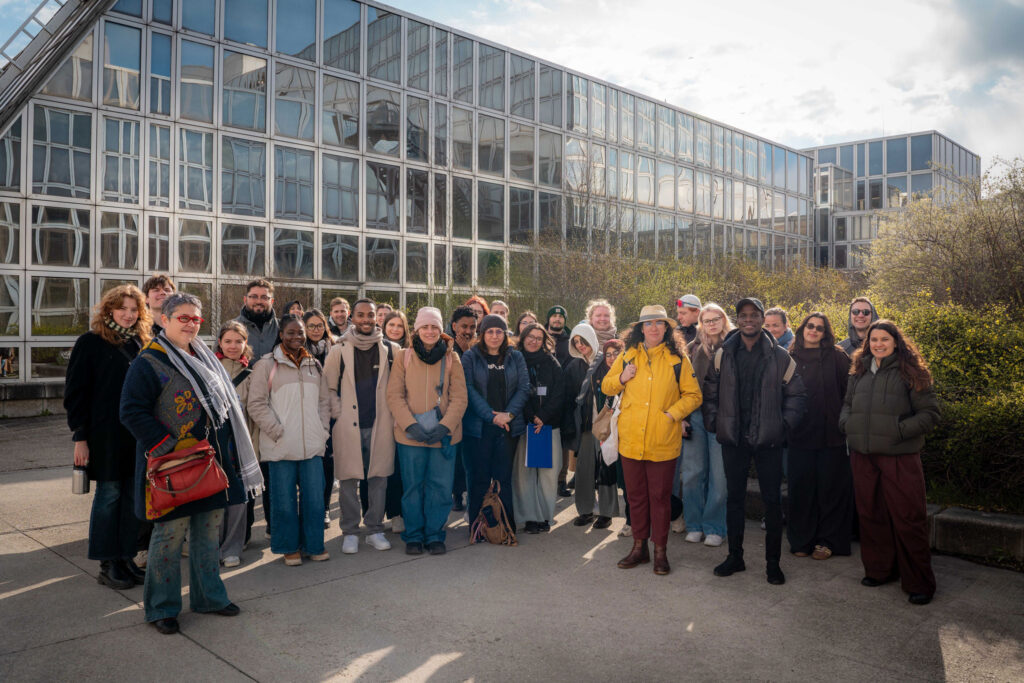
For five days, students from the departments of architecture, urban planning, urban anthropology and tourism worked together. They analyzed urban spaces, discussed current challenges and developed concrete solutions in international, interdisciplinary teams.
“The program demonstrates how valuable the exchange between different disciplines and perspectives is. Especially when it comes to complex urban issues, this approach leads to new, viable solutions,” emphasizes Cornelia Dlabaja, Endowed Professor of Sustainable Urban and Tourism Development and organizer of the program.
Kickoff with Expert Insights
Monday focused on theoretical foundations and methodological approaches. Presentations by Cornelia Dlabaja on the project brief and the program “Urban Transformations in the Interplay of Tourism, Short-Term Rentals and Urban Development”, by Prof. Dr. Alexandra Paio on “Urban Commons”, by Prof. Dr. Giovanna Marconi on “Urban Analysis & Mapping, Evaluation of Space” and by Daniela Wagner on “Tourist Accommodations in Vienna” provided important tools for the days ahead. The program was complemented by insights into Vienna’s Visitor Economy Strategy presented by Jana Werl of WienTourismus. In the afternoon, Androniki Pappa provided a playful introduction to the topic using a serious game approach to urban development in complex stakeholder settings.
Urban Space as a Place of Learning
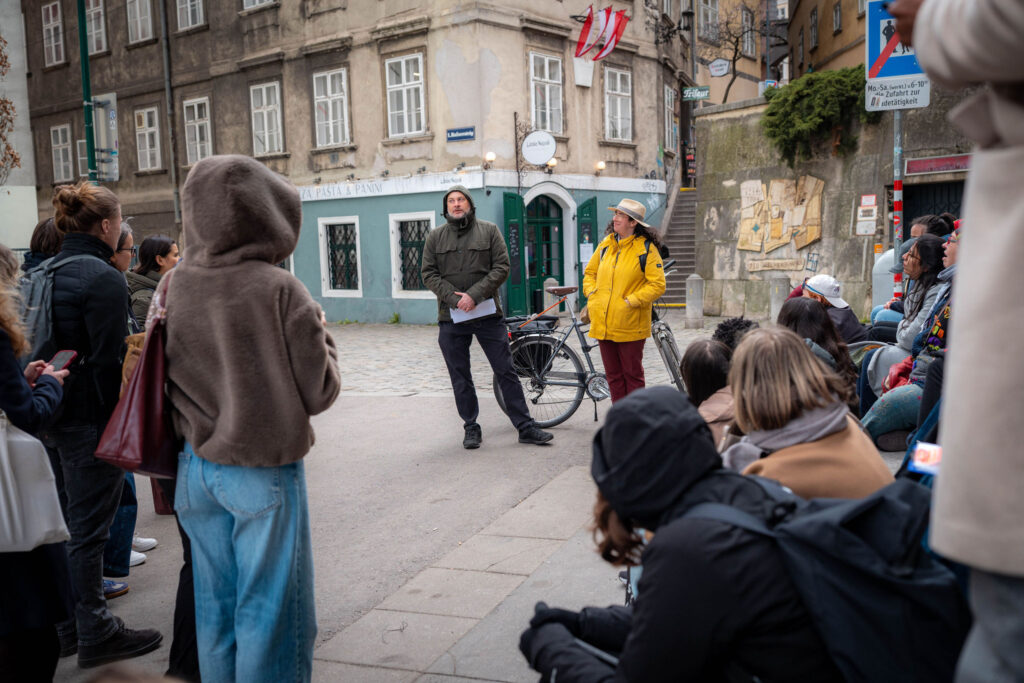
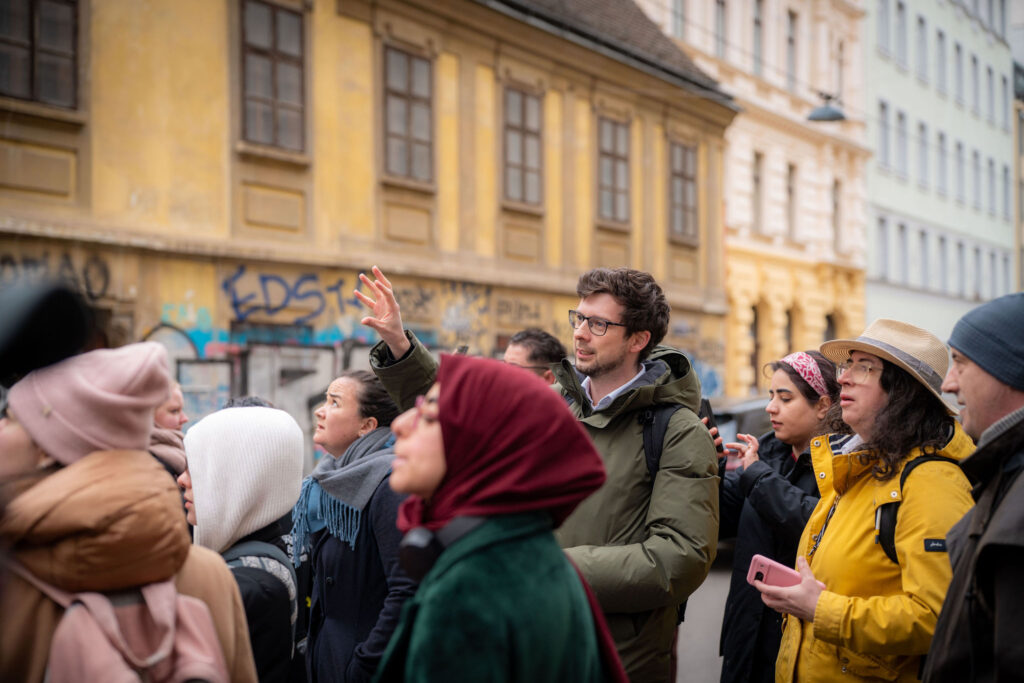
On Tuesday, the learning experience moved right into the city. The joint field trip with Green Party District Chair Silvio Heinze from the Austrian Academy of Sciences (ÖWA) and Ombudsman Rene Patschok through the 7th District and Spittelberg highlighted key challenges: increasing pressure from short-term rentals, conflicts over use on the ground floor and the impact of tourist appeal on residents’ quality of life. Self-organized cultural spaces such as the Amerlinghaus were also discussed.
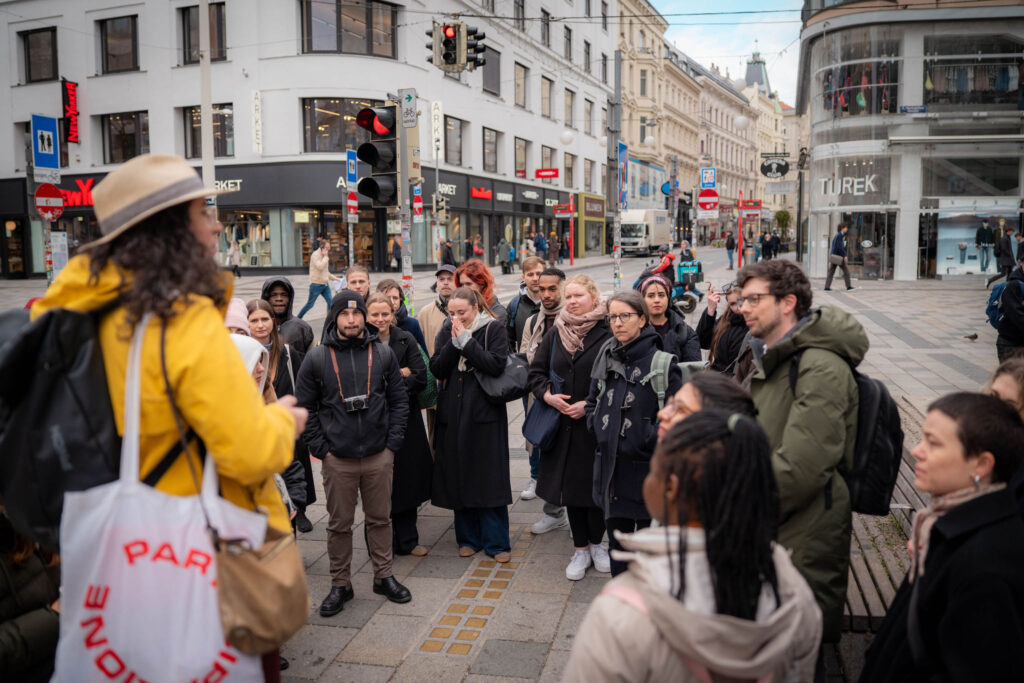
The route then continued through the Inner City—from Maria-Theresien-Platz via Stephansplatz to Schwedenplatz. Here, Cornelia Dlabaja’s presentation focused on the tension between high usage density caused by day tourism and urban planning aspects such as accessibility, everyday livability and approaches to gender mainstreaming. At Schwedenplatz, Erich Streichsbier from MA19 provided insights into the work of the Inner City municipal administration and its planning agenda.
Another item on the agenda was the field trip to the old Vienna University of Economics and Business and the Althangrund urban development area. Here, activists and planners from the “Althangrund Initiative” provided insights into the area’s current developments. The citizens’ initiative “Althangrund for All” advocates for the preservation of the existing fabric and aims to create an open, mixed-use neighborhood that combines affordable housing, public spaces and social infrastructure.
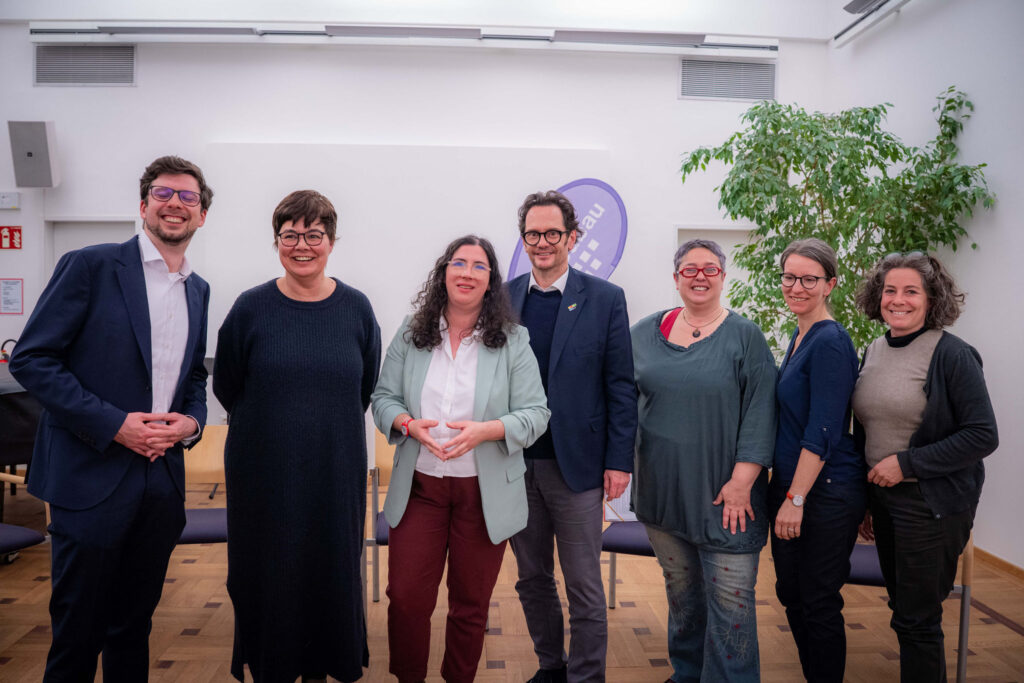
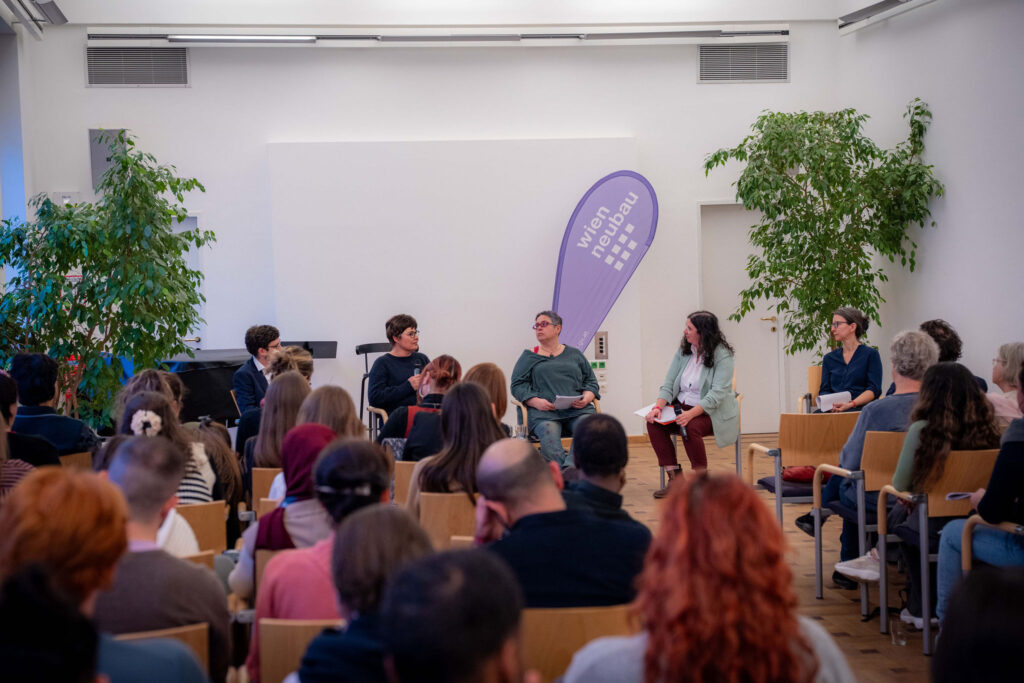
Public Discussion – Urban Transformation in the Interplay of Vacancy, Tourism and Short-Term Rentals
A public discussion was held in the evening in the ballroom of the Neubau District Office. Under the title “Urban Transformation in the Context of Vacancy, Tourism and Short-Term Rentals”, key questions were raised:
- How are vacancy rates, tourism and short-term rentals changing cities?
- What are the implications for housing, neighborhoods and everyday urban life?
- How effective are regulatory measures, such as the stricter rules for short-term rentals in Vienna that took effect in July 2024?
The 7th district served as a concrete example: With over 1 million overnight stays in 2024 and around 720 Airbnb listings in 2025, the challenging dynamics are particularly evident here.
Collaboration Across Disciplines and Countries
Wednesday was devoted entirely to field research. Working independently in their teams throughout the city, the students deepened their analyses. Thursday was spent developing their projects. In international teams, the students combined their diverse perspectives and developed well-founded analyses and solutions.
On Friday, all groups presented their results. The presentations demonstrated a high level of depth and clearly showed how beneficial interdisciplinary collaboration can be. Many participants emphasized that the week served as a valuable supplement to their studies.
“The program was a very intensive and enriching experience where we were finally able to put everything we had learned during our Master’s studies into practice,” said Martin Davreux, a student at FHWien der WKW, summarizing the week. “The highlight for me was collaborating with international students from various disciplines across Europe. This led to a lively exchange of ideas and demonstrated how important collaboration is for building a more sustainable tourism industry through urban planning.
The program illustrates how international cooperation, hands-on learning and interdisciplinary exchange contribute to a better understanding of current challenges in urban development and tourism—and to developing solutions together.
>> More information about the Master’s program in Urban Tourism & Visitor Economy Management