How does gamification encourage the use of language-learning apps? A study by FHWien der WKW highlights the potential of personalized gamified elements.
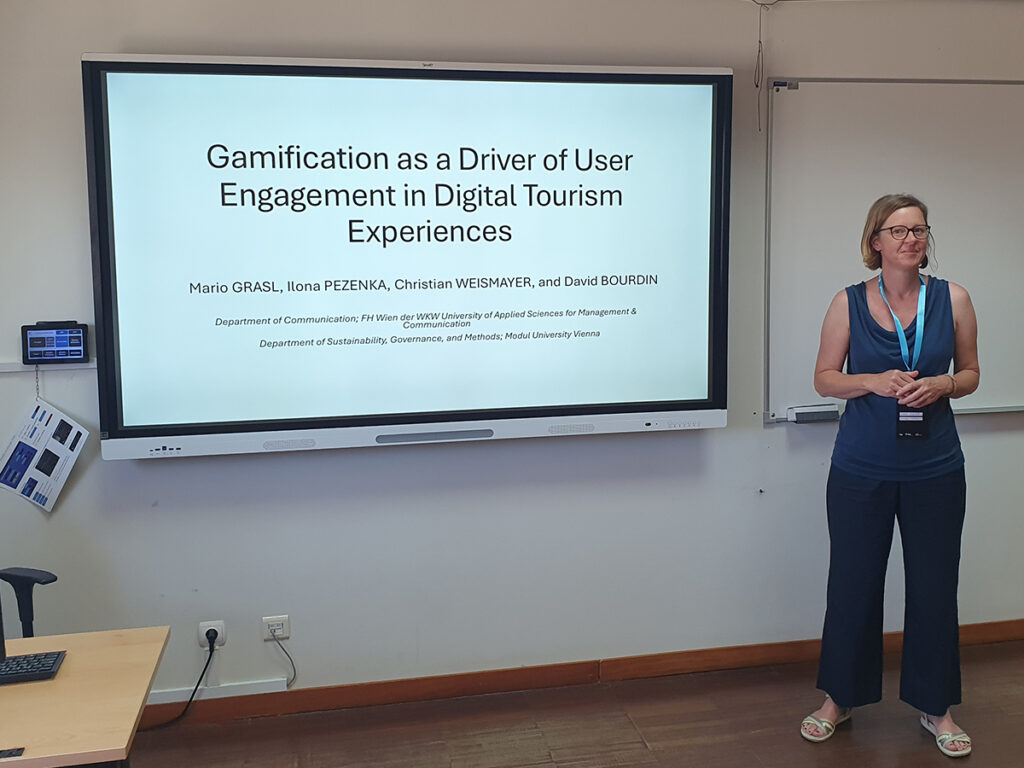
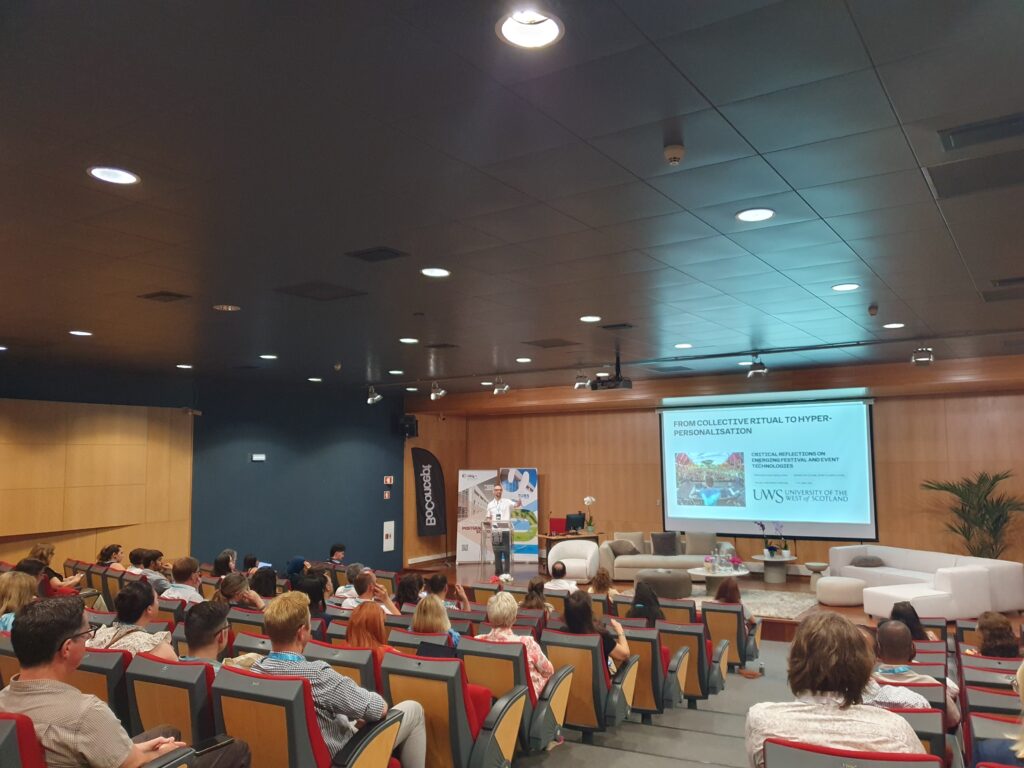

What impact do gamification elements have on user engagement in language-learning apps? Mario Grasl, a graduate of the Master’s program in Marketing & Sales Management, senior researcher Ilona Pezenka, David Bourdin from FHWien der WKW, and Christian Weismayer from Modul University are exploring this question. The research paper “Gamification as a Driver of User Engagement in Digital Tourism Experiences” was presented by Ilona Pezenka in mid-June at the international conference The INC 2026 – Personalization and Immersive Experiences in Tourism, Hospitality and Events in Faro, Portugal.
The study focused on the question of how game-like elements – such as rewards, progress indicators, or personalized learning goals – can motivate users to use language-learning apps more frequently and over the long term. Such apps can help travelers better prepare for interactions with locals and overcome language barriers while on vacation.
The results show that, in particular, an appealing design and personalized features promote motivation and long-term use. At the same time, it became clear that different user groups respond differently to various gamification elements. Personalized approaches therefore offer significant potential for sustainably increasing user engagement.
This paper is based on Mario Grasl’s master’s thesis, which was supervised by Ilona Pezenka.
>> Read the Master’s thesis (German)
The conference also provided a valuable platform for international academic exchange on current developments in the fields of tourism, digitalization, and personalized user experiences.