How can tourism be perceived as a benefit for the city and its residents? And what role does the design of public space play in this? How can architecture help establish a hotel as a meeting place for the city’s community or as part of the neighborhood’s infrastructure? These were the questions addressed at the 2nd Gilbert-Baudialog on May 28, 2026, at the Hotel Gilbert in Vienna.
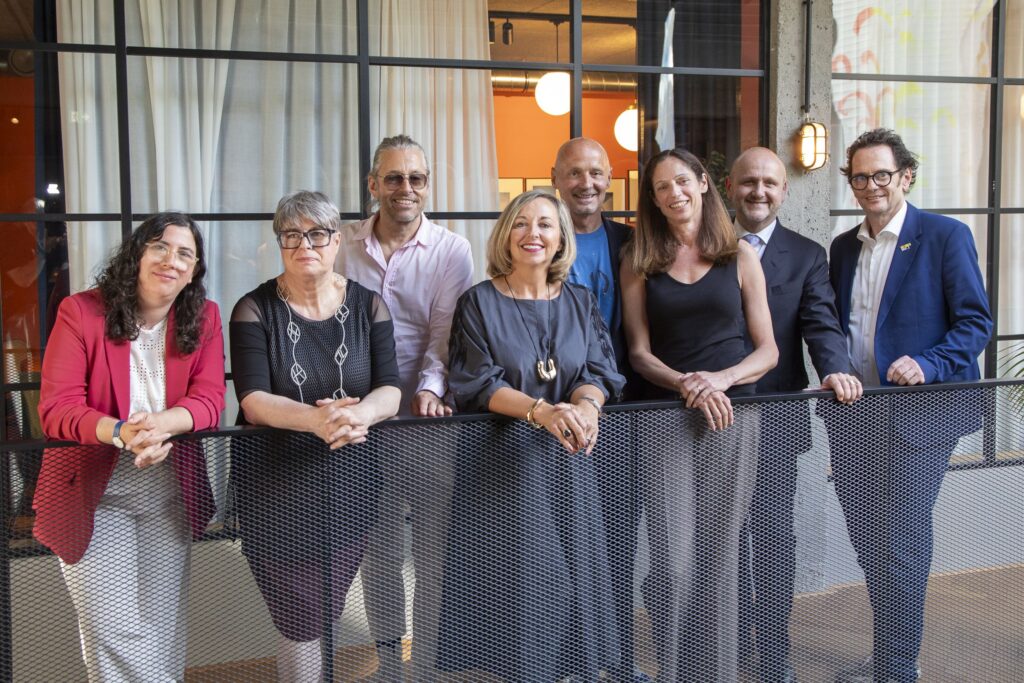
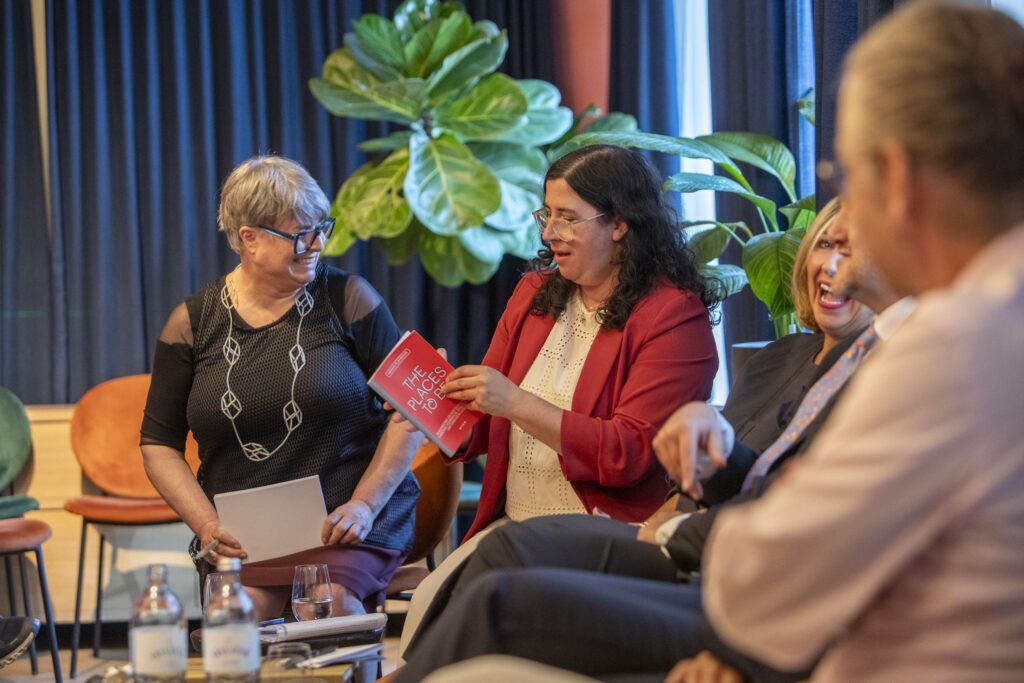
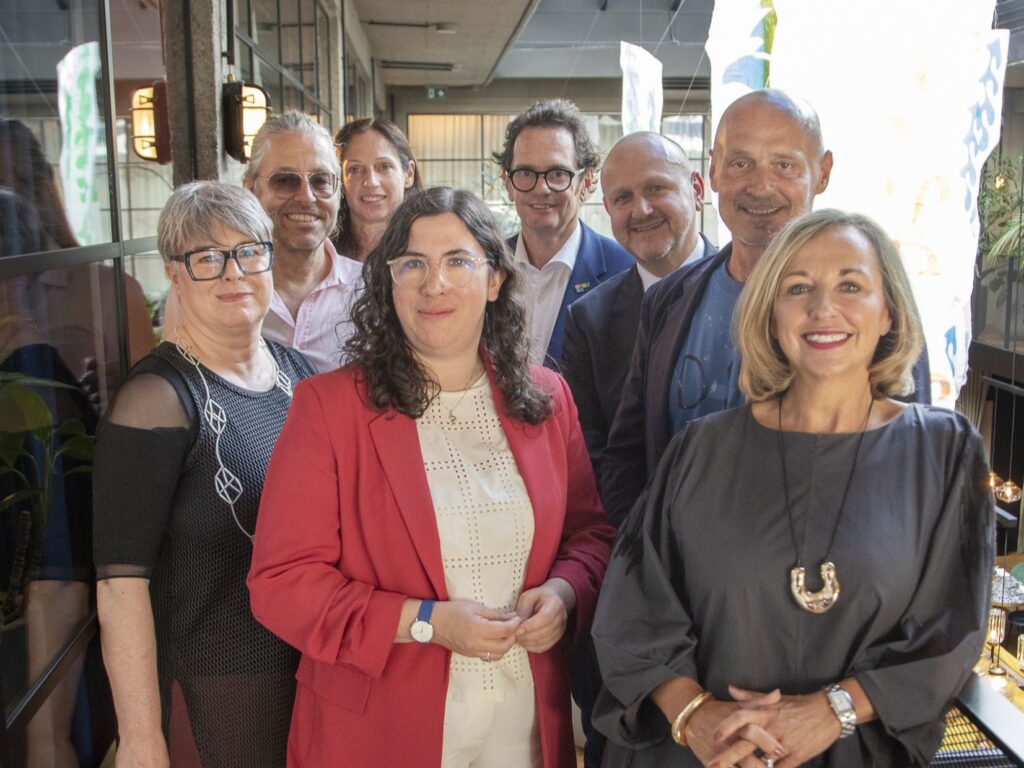
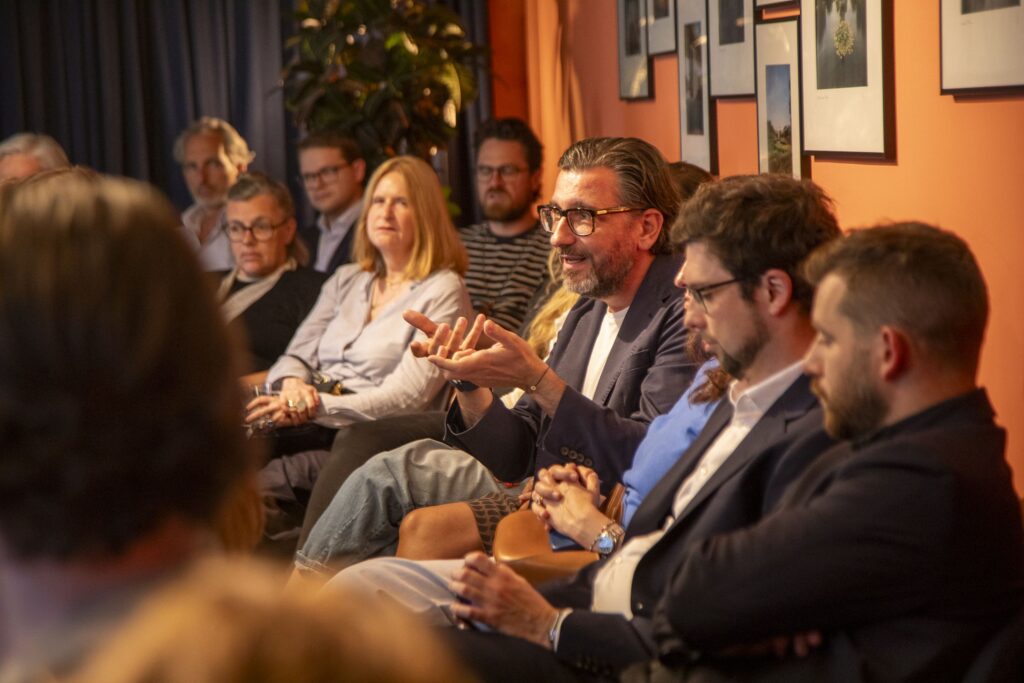
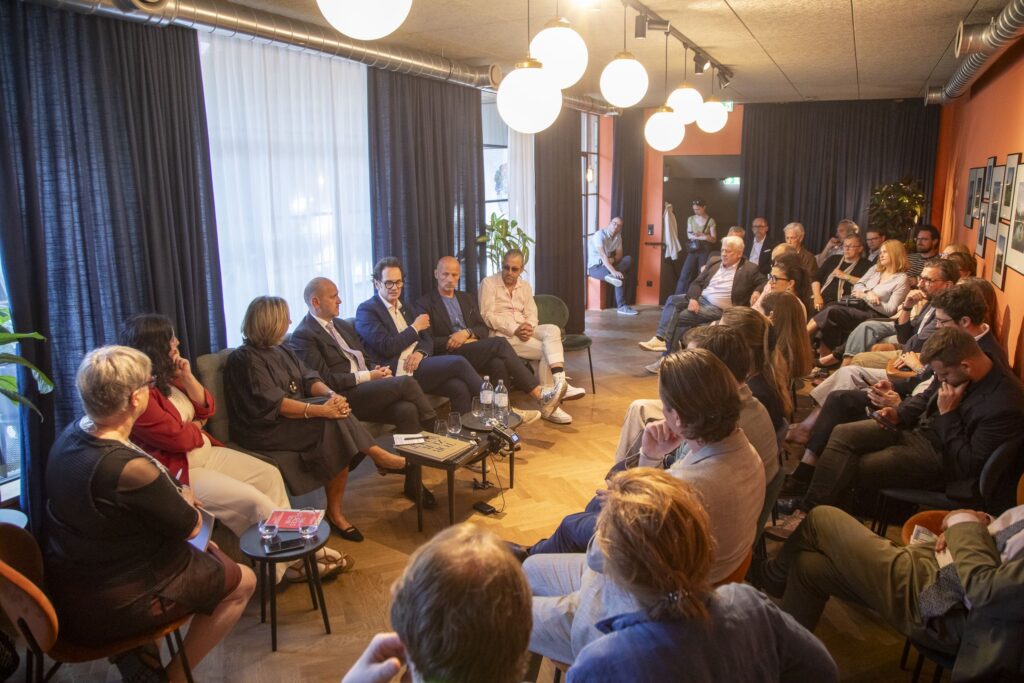
Under the title “The Hotel, My Good Neighbor—How Tourism Goes from Enemy to Friend”, experts from the fields of tourism, academia, politics, architecture, and real estate discussed the interplay between the hotel industry, urban development, and quality of life.
Also invited to the panel was Cornelia Dlabaja, Endowed Chair of Sustainable Urban Tourism at FHWien der WKW. Together with Erich Bernard (BWM Designers & Architects), Daniela Enzi (Wertinvest), Norbert Kettner (WienTourismus), Markus Reiter (District Mayor of Neubau), and Bernd Schlacher (restaurateur and hotelier), she discussed the contribution hotels can make to urban community life. The discussion was moderated by architecture journalist Franziska Leeb.
Thinking About Tourism and Urban Society Together
The discussion began with the observation that hotels are often perceived as self-contained worlds that have little to do with the everyday lives of city residents. At the same time, visitors benefit from a city’s attractions—from its restaurants and cultural offerings to its public spaces and green areas. The central question was therefore: What does tourism give back to the city and its residents?
Topics such as the public’s acceptance of tourism, the importance of public spaces, and the role of hotels as places of encounter and social cohesion were discussed. Architecture and urban planning were also cited as important factors in integrating hotels more closely into their neighborhoods.
Placemaking as an Approach to Creating Livable Places
Cornelia Dlabaja shared her perspective on sustainable tourism and urban development and referred to the “Vienna Playbook,” which she helped develop. At the heart of this is the concept of placemaking:
This approach is based on the idea that tourism and urban development should not be viewed separately. Rather, livable places — and thus successful destinations — emerge where local needs, social participation, and the quality of public spaces are considered together. Hotels can play an important role in this — not only as lodging facilities, but also as gathering places and part of the neighborhood infrastructure.
The event made it clear that the future of tourism is closely linked to the development of livable cities. Successful tourism flourishes where the local population also benefits — and where hotels are understood as part of the city.
More information about the research conducted by the endowed chair can be found here.