The European Real Estate Society (ERES) Conference 2026 brought international Real Estate experts from academia and the professional world to Vienna from July 1–4, 2026.
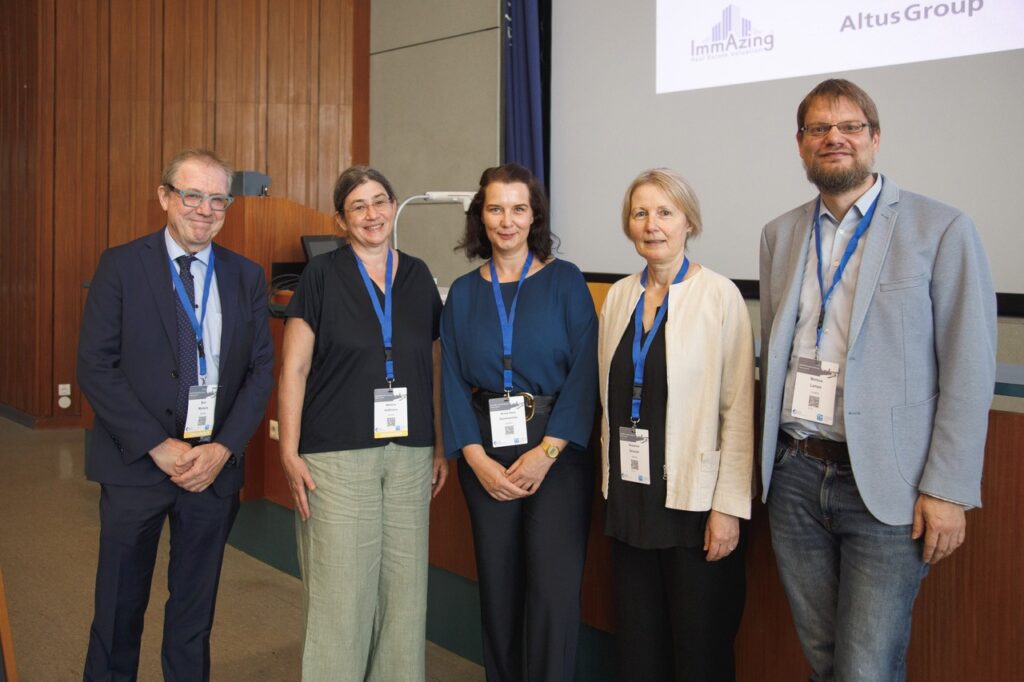
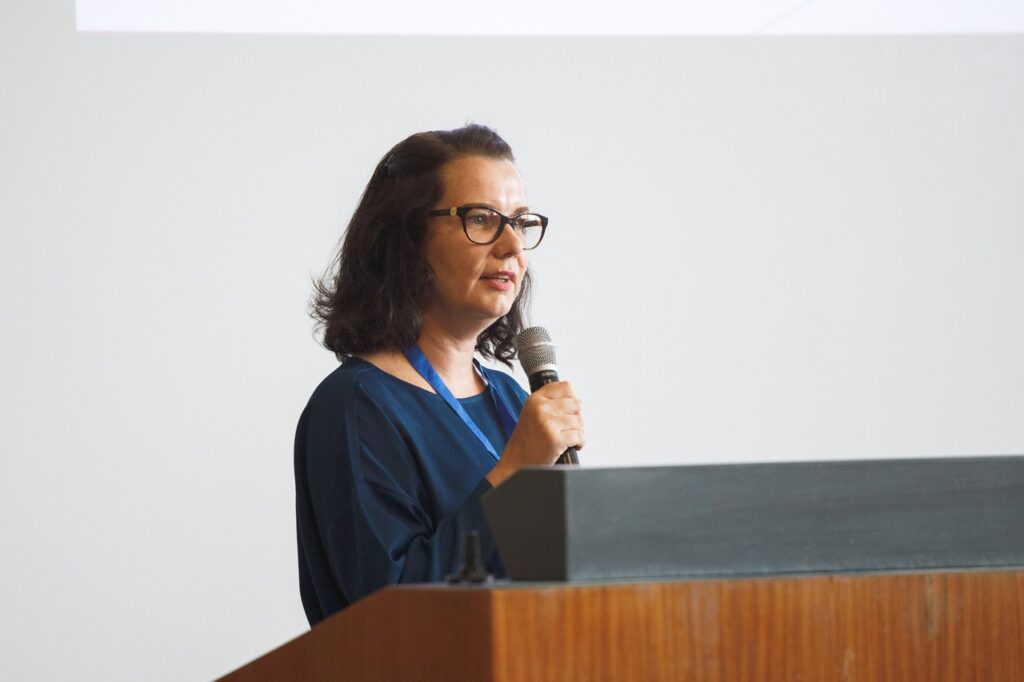
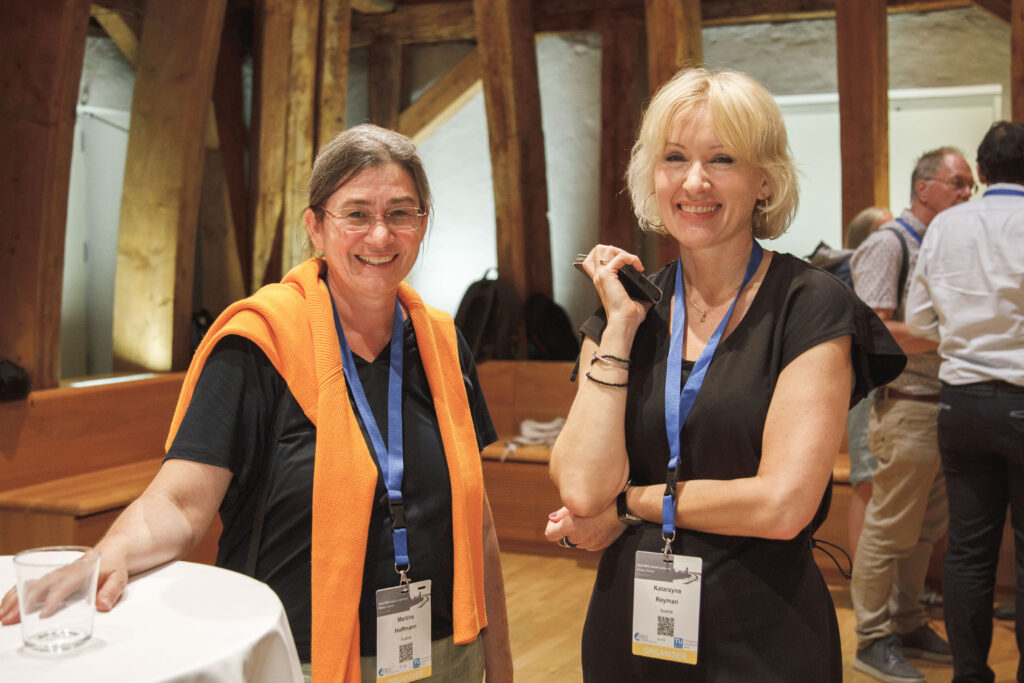
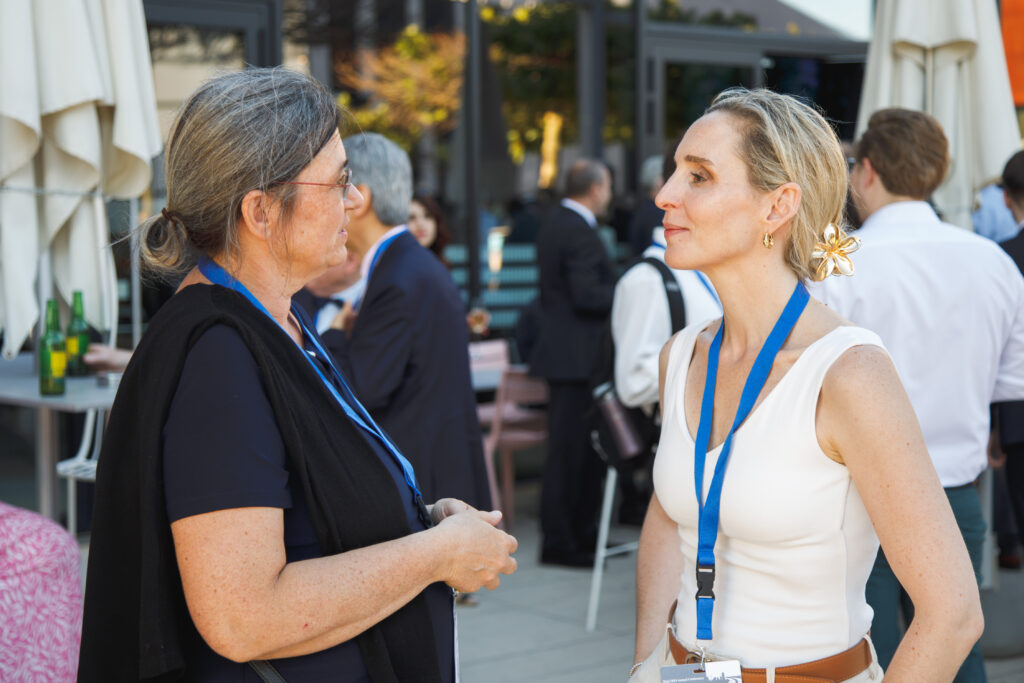
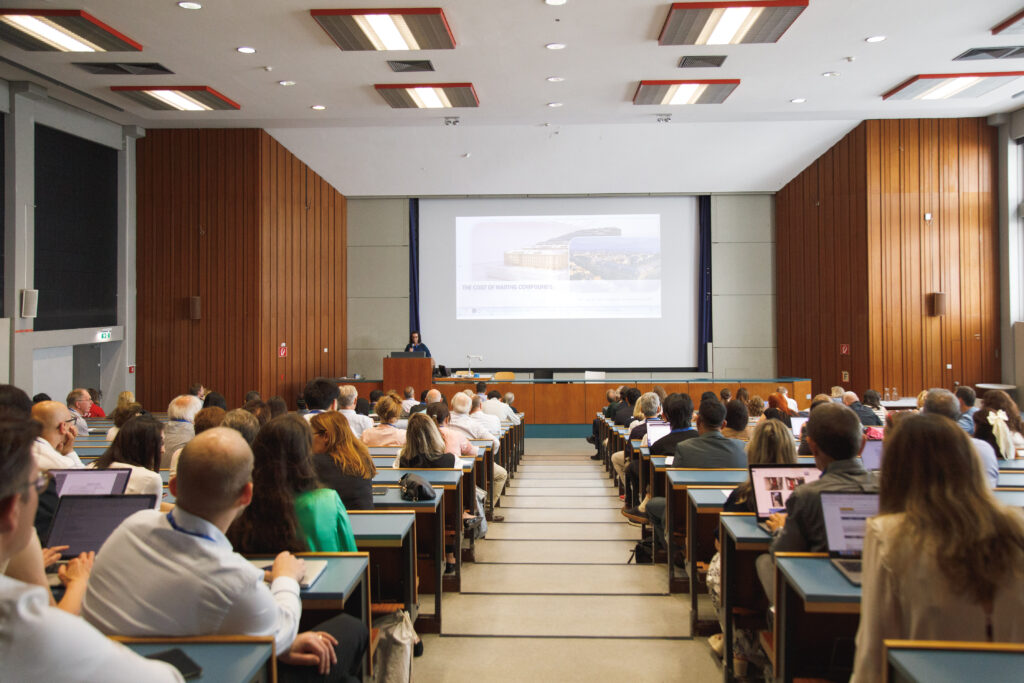
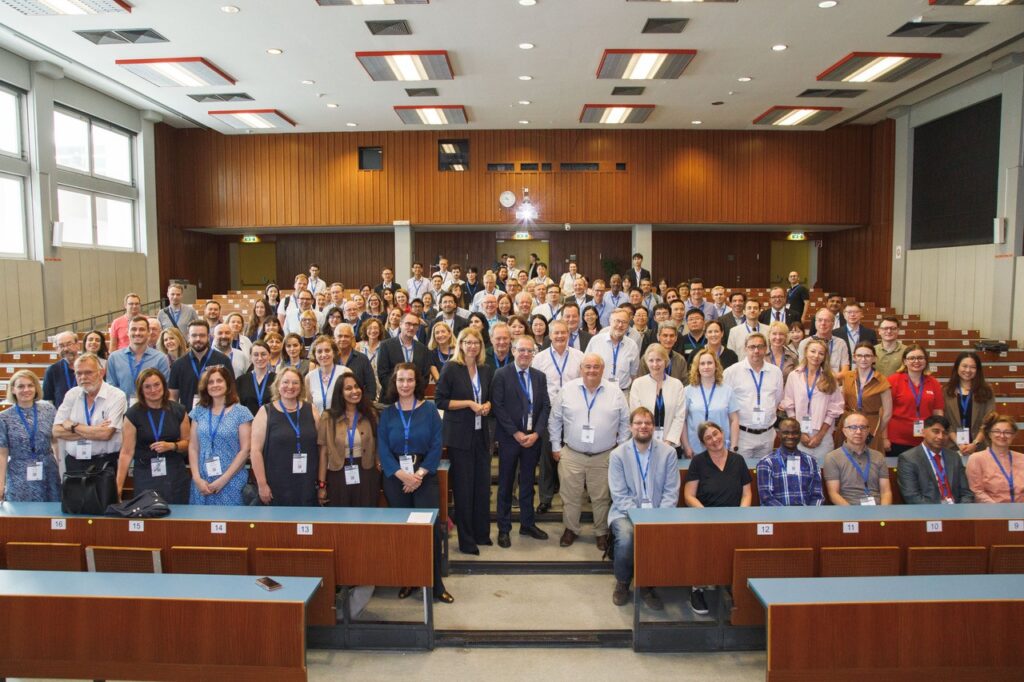
FHWien der WKW was represented on multiple occasions by its Real Estate Management study programs and played a key role in the organization, in academic exchange, and with a keynote address on sustainable real estate development. The event offered participants a platform for networking, sharing experiences, and expanding international collaborations.
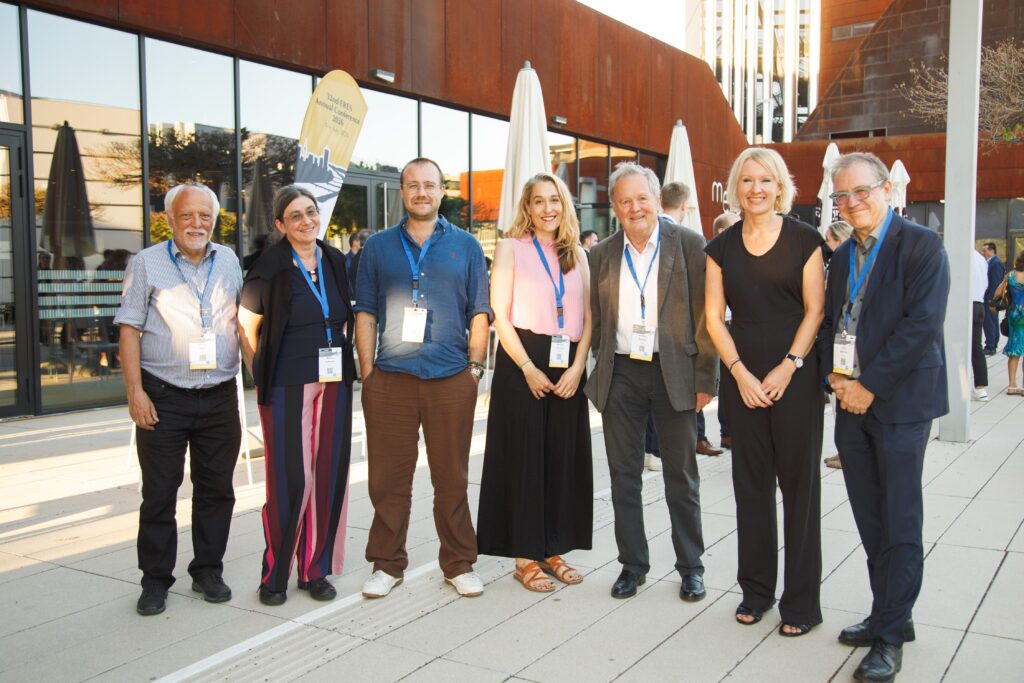
As Conference Co-Chair of the Local Organizing Committee, Research Associate Martina Hoffmann played a key role in organizing ERES 2026. In addition, she chaired the “Sustainable Real Estate” panel, where current research and developments in the field of sustainable real estate were discussed.
Keynote on the Future of Europe’s Building Stock
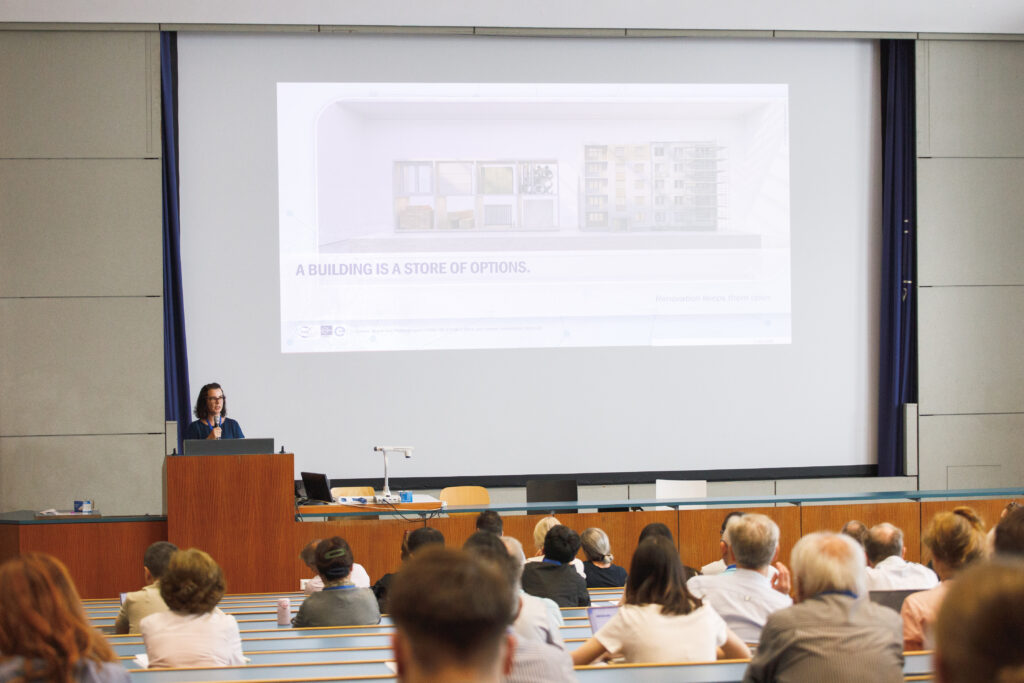
Another highlight of the conference was the keynote address by FH-Prof. Dipl.-Ing. Dr. techn. Anna-Vera Deinhammer, Endowed Chair for Sustainable Real Estate Development at FHWien der WKW. Under the title “Renovation as the Core Asset Strategy: Rethinking the Value of the European Building Stock under the Circular Transition” she focused on the role of building renovation in the context of the circular economy. The keynote was made possible by ÖGNI (Austrian Society for Sustainable Real Estate Management), which supported the keynote slot as a sponsor of ERES 2026.
The starting point of her keynote was the question of how the value of the European building stock is changing under the conditions of the circular transition. While renovations have often been viewed as a cost factor in the past, Anna-Vera Deinhammer argued that they will become the central strategy for maintaining and increasing the value of real estate in the future.
In doing so, she highlighted three fundamental trends:
- Materials are evolving from consumables to long-term assets.
- Buildings that cannot demonstrate efficiency, a carbon footprint, and a renovation plan are increasingly being valued on the market with a risk discount (“brown discount”).
- Transparent building data and documentation are themselves becoming a key value factor.
As a result of these changes, existing buildings will be viewed in the future as a strategic resource rather than a burden in terms of materials. The building stock is being reinterpreted as a reservoir of options and a long-term asset, whose future value will be increasingly shaped by regulatory requirements and market conditions.
International Networking at the ERES Women in Real Estate Lunch
In addition, Martina Hoffmann, together with Hannah Salzberger from the University of Regensburg, organized the Women in Real Estate Lunch. Anna-Vera Deinhammer hosted a roundtable discussion on the topic of “Circular Economy”, where participants discussed how the circular economy can evolve from a compliance requirement to a strategic decision in portfolio and investment management.
The Local Organizing Committee has been working on this event since autumn 2025 with Bob Martens (TU Wien), Martina Hoffmann (University of Applied Siences Vienna), Wolfgang Feilmayr (TU Wien), Gunther Maier (Modul University), Katarzyna Reyman (Vienna University of Economics and Business), Marijana Sreckovic (TU Wien) und Simon Thaler (University of Reading, UK).