“Girls feel at home where other girls are.” With this statement, one interviewee summed up the results of this year’s field project in the fourth semester of the Bachelor’s program in Human Resources Management at FHWien der WKW.
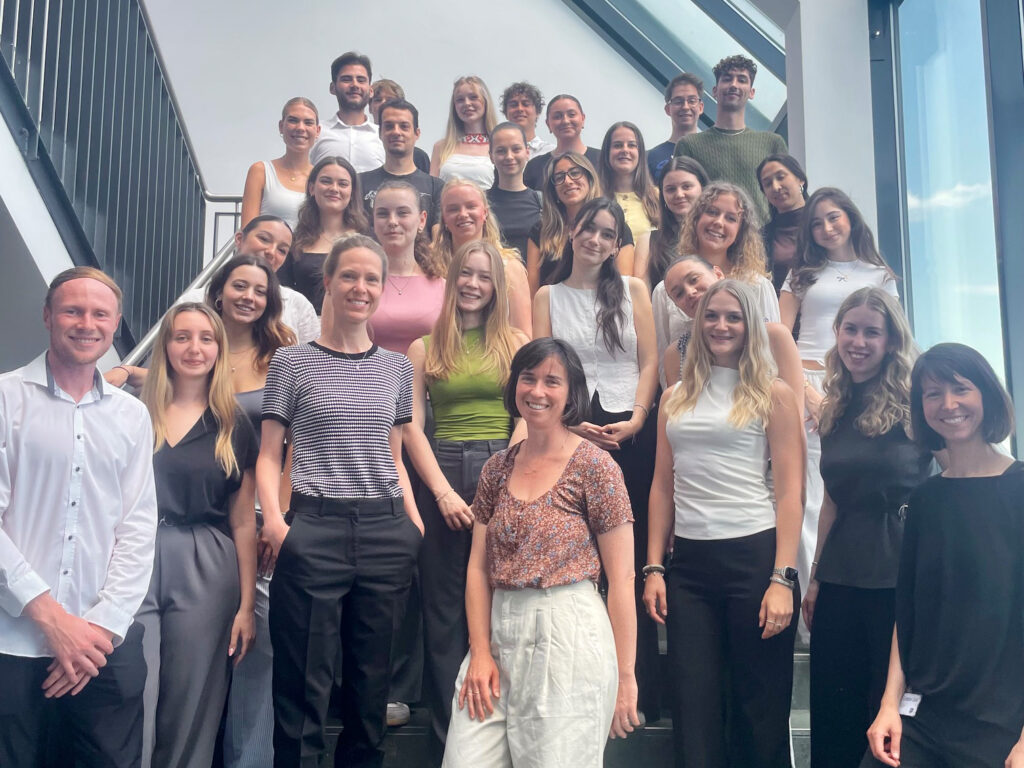
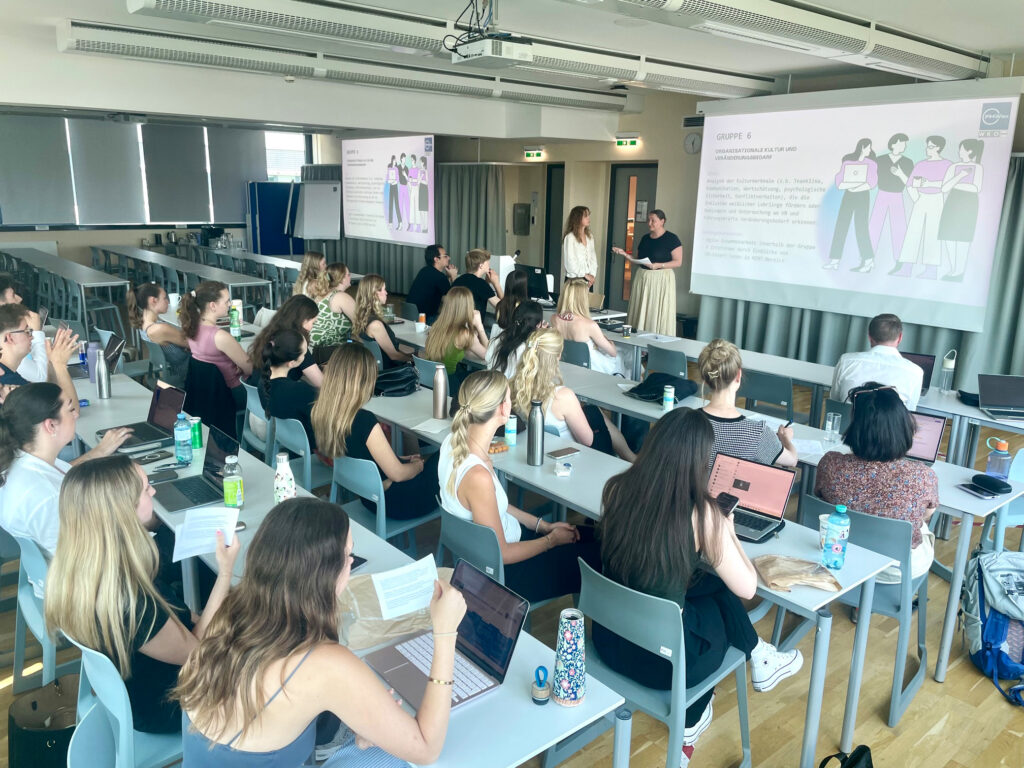
How can companies design their apprenticeship programs so that young women not only enter STEM careers but also want to stay in them long-term? This was the question posed to the students by the client, the MINTality Foundation. The MINTality Foundation aims to inspire girls and young women to pursue careers in science, technology, mathematics and engineering, (STEM in German it´s MINT) and is committed to breaking down stereotypical gender roles and attracting more female talent to STEM professions. After the kick-off, the students had one semester to answer this question through literature reviews and interviews.
Scientific Findings with Practical Relevance
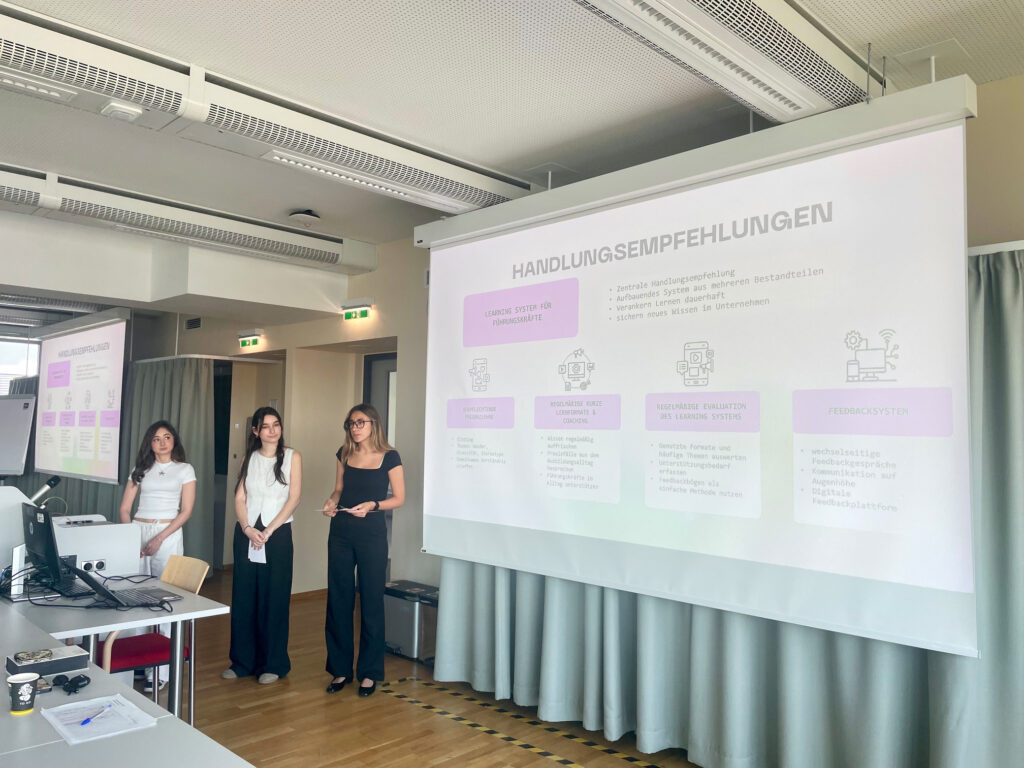
After several months of research, six groups of students presented their findings at a joint closing event organized by the MINTality Foundation at FHWien der WKW. The key finding from interviews with female apprentices, HR managers, trainers and executives from Austrian STEM companies: Young women stay where they feel they belong, receive support and see real opportunities for growth.
Six Key Recommendations
The research not only highlighted existing challenges but also showed that many companies are already on the right track and are already implementing many of the recommendations identified. Across all six project studies, similar recommendations for action emerged:
- Highlighting female role models: Role models, female leaders and female apprentices at trade shows, as well as testimonials, provide opportunities for young women to identify with these figures and strengthen their sense of belonging.
- Establish regular feedback and development meetings: Structured reflection and feedback formats promote motivation, self-confidence and the professional development of young women.
- Expand mentoring and buddy programs: Having designated contacts facilitates integration, especially during the first year of apprenticeship, and provides a sense of security in daily work life.
- Promote psychological safety and open communication: A constructive culture of learning from mistakes, respectful collaboration and low-barrier opportunities to address problems strengthen loyalty to the company.
- Raise awareness of diversity among managers: The results clearly show that managers play a key role in inclusion, equal opportunity and the advancement of female apprentices.
- Initiate partnerships with schools early on: Open houses, Girls’ Days and career guidance free of stereotypes were identified by several groups as key strategies for getting more girls interested in STEM careers.
Working Together for More Diversity in STEM
This practical project was developed in close collaboration with the MINTality Foundation and partner companies from the industrial and technology sectors. Special thanks go to Verena Aichholzer and Joanna Kowolik of the MINTality Foundation, as well as to the participating companies A1, Fronius, Magna, Miba, KNAPP and Palfinger for their support and valuable insights into real-world practice.
The students also deserve great thanks for their dedication and their thorough research work.
One message ran through all the projects: STEM is not a closed space. STEM can be learned. STEM is creative. STEM is for everyone. (Quote from the project report)
>> More information about the Bachelor’s program in Human Resources Management