In her recently published academic article “Caring for Cultural Heritage Cities through Regenerative Tourism,” which appeared in the Routledge Handbook on Regenerative Tourism and Hospitality, Endowed Chair Cornelia Dlabaja explores the future of historic tourist cities. The focus is on the concept of regenerative tourism: tourism that not only uses cities as travel destinations but, above all, preserves and further develops them as livable places for their residents and makes a positive contribution to local communities, the economy and the environment.
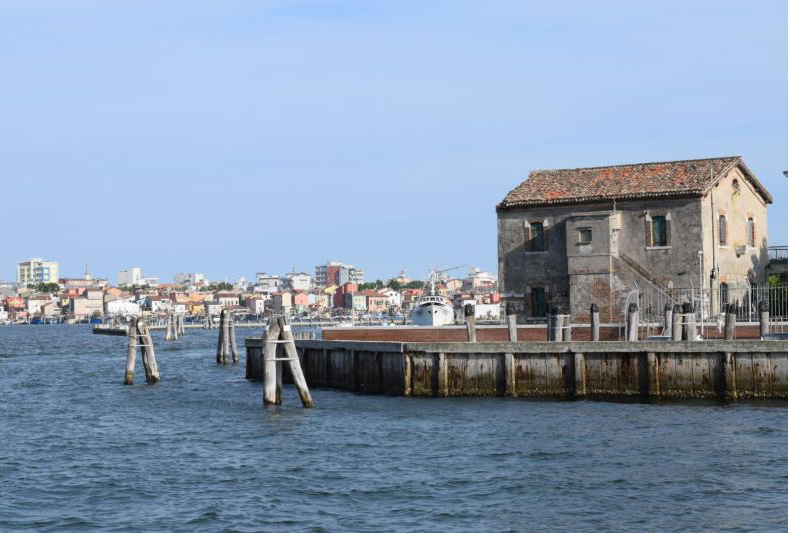
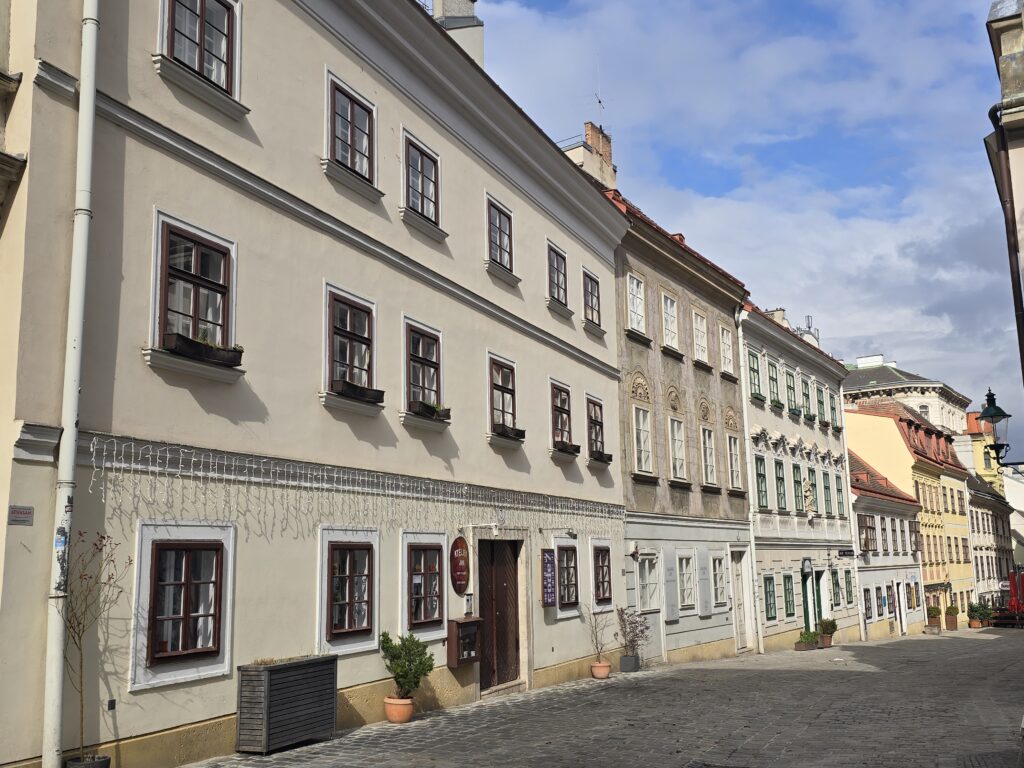
Heritage cities such as Venice, Salzburg and Vienna attract numerous visitors every year. But what happens when entire neighborhoods increasingly cater to the needs of tourism rather than those of the local population? And how can tourism be structured in such a way that it not only causes less harm but also actively contributes to a city’s quality of life?
When Cities Are Transformed by Tourism
Dlabaja sees “touristification” as a key challenge for heritage cities. By this term, she refers to a process in which the needs of tourists increasingly shape the use of urban spaces, infrastructure and social relationships.
The effects are evident at various levels. Short-term rentals often disrupt the housing market and reduce the availability of affordable housing in historic centers. Everyday retail stores are giving way to souvenir shops and other tourist attractions. At the same time, large numbers of visitors are changing how public spaces are used and generating additional costs such as for waste disposal.
Seven Areas of Negotiation in Heritage Cities
To systematically examine such developments, Dlabaja is developing an analytical model with seven “Areas of Negotiation.” These include
- local economy and location development,
- ground-floor zones and public space,
- everyday life,
- touristic mobility flows,
- demographic developments,
- image of a destination,
- housing and public infrastructures.
The model illustrates that overtourism is not merely a question of the number of travelers. Rather, tourism is closely linked to urban development, the economy, mobility, housing policy and the daily lives of residents. Examples from Venice, Hallstatt, Salzburg, Lisbon, Vienna and Rotterdam demonstrate different manifestations of these processes.
According to Dlabaja, this requires collaboration among various stakeholders. Residents, city administration, policymakers, regional development agencies, destination management organizations, local businesses, as well as research and education institutions are among the “Actors of Transformation” she has identified. Strategic alliances between these groups are a key prerequisite for regenerative tourism development.
From Sustainable to Regenerative Tourism
The concept of the “Caring City” plays a particularly important role in Dlabaja’s contribution. In it, she contrasts Vienna and Venice.
She describes Vienna as an example of a “Caring City,” in which the city itself takes responsibility for essential areas of life. Long-term urban planning, public transportation, affordable housing, a digitized administration and strategies for climate action and the visitor economy create the structural conditions for this.
In Venice, by contrast, “care” manifests itself more as “Caring for the City”: residents organize themselves to protect public infrastructure, neighborhoods and the lagoon’s fragile ecosystem. Dlabaja describes, for example, citizen initiatives, community activities, urban gardening and interventions in public spaces. Such practices can strengthen neighborhoods and increase their resilience to the consequences of overtourism.
Tourism as a Contribution to a Livable City
Dlabaja’s research makes it clear that the future of historic tourist cities is not determined by tourism management alone. Housing, mobility, public spaces, the local economy, social infrastructure and opportunities for participation must be considered together.
In this context, regenerative tourism also means taking responsibility for a place. In addition to regulating housing and visitor flows, Dlabaja cites strategic partnerships, the promotion of local initiatives and participatory budgeting as possible tools. This also shifts the perspective on successful tourism development: A historic city is not just a destination, but above all a living space. Regenerative tourism begins where the needs of guests are aligned with those of the people who use, shape and maintain a city on a daily basis.
>> More information about the Endowed Chair for Sustainable Urban and Tourism Development