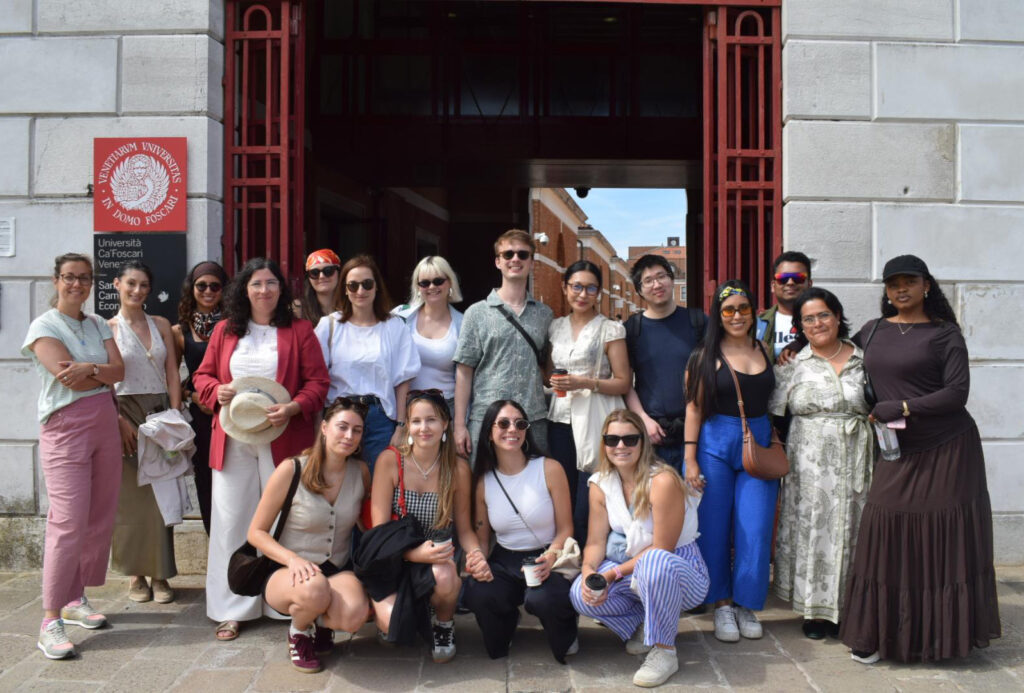
How can cities address the challenges of overtourism? What impact does a high volume of visitors have on residents’ daily lives? And what strategies can help manage visitor flows in a sustainable way? Students in the Master’s program in Urban Tourism & Visitor Economy Management at FHWien der WKW explored these questions during a two-day field trip to Venice. With 15 million visitors per year and a population of 50,000, the lagoon city is one of the most visited cities in the world and thus an ideal learning environment for exploring these questions.
Learning in the Living Lab
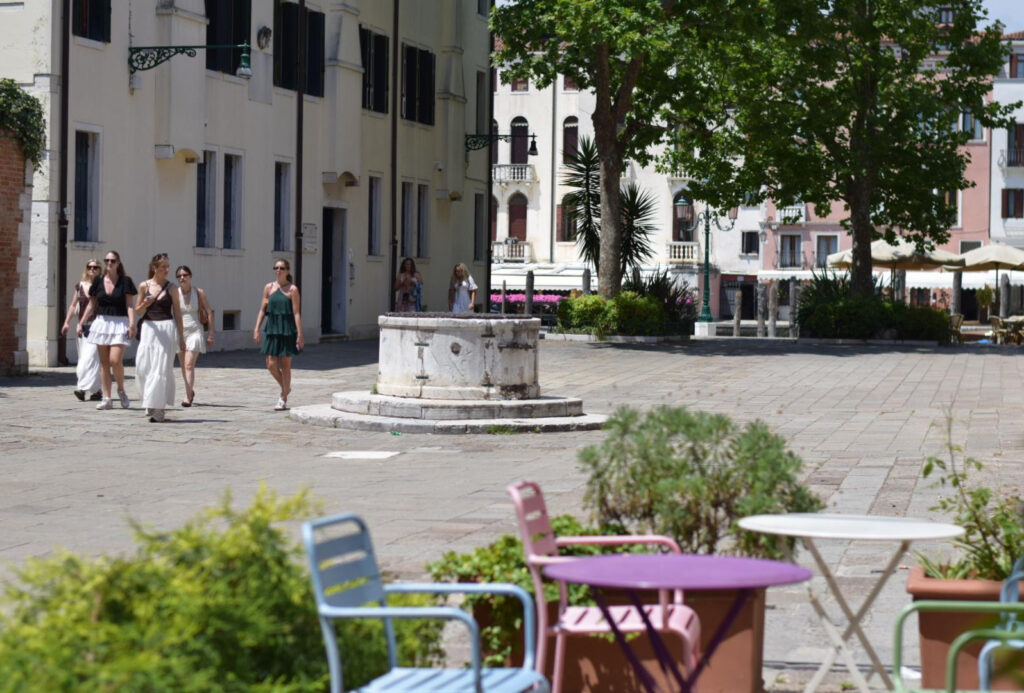
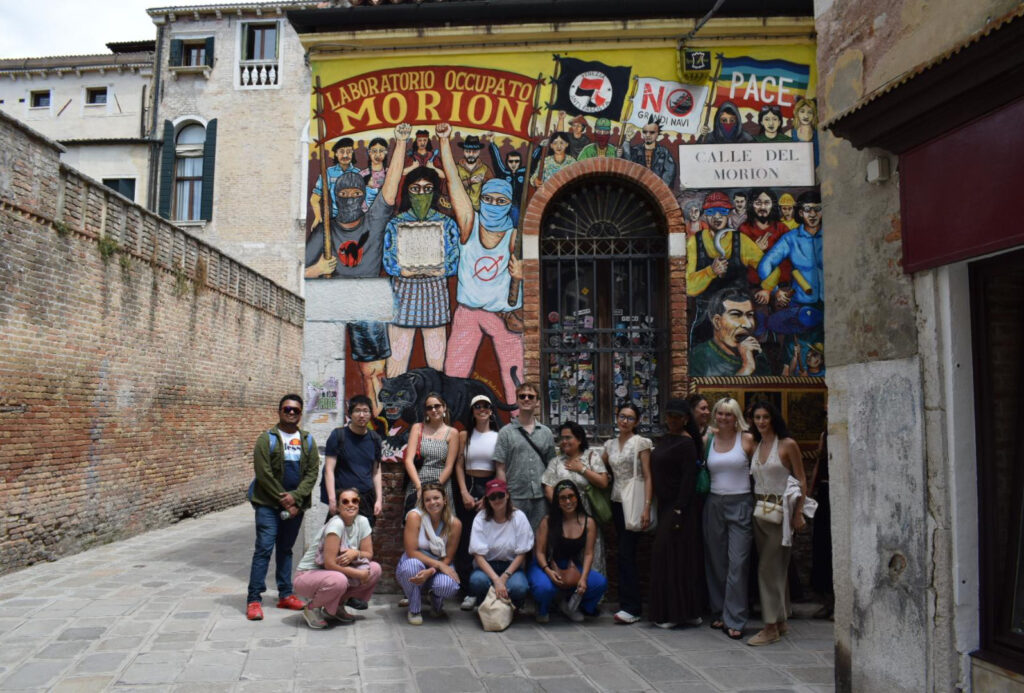
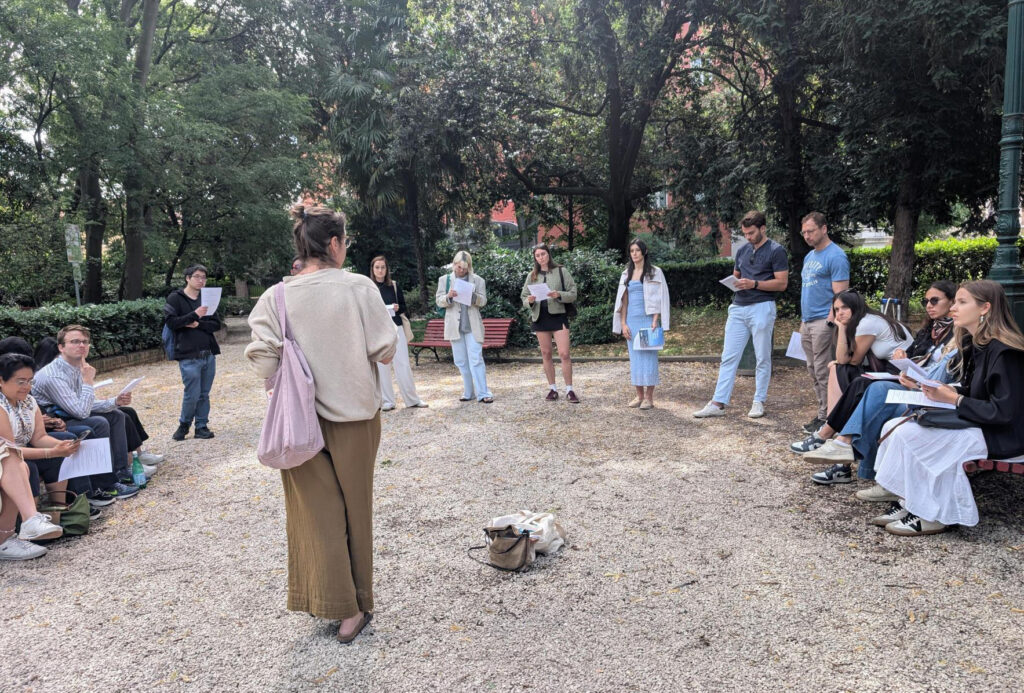
With the theme “Learning from the Challenges of Our Cities” the field trip took the students to the heart of one of the world’s most talked-about destinations in the context of overtourism. Together with instructors Cornelia Dlabaja and Maria Katelieva, the participants analyzed on-site the diverse impacts of tourism on Venice’s residents, as well as on the city’s infrastructure and public services.
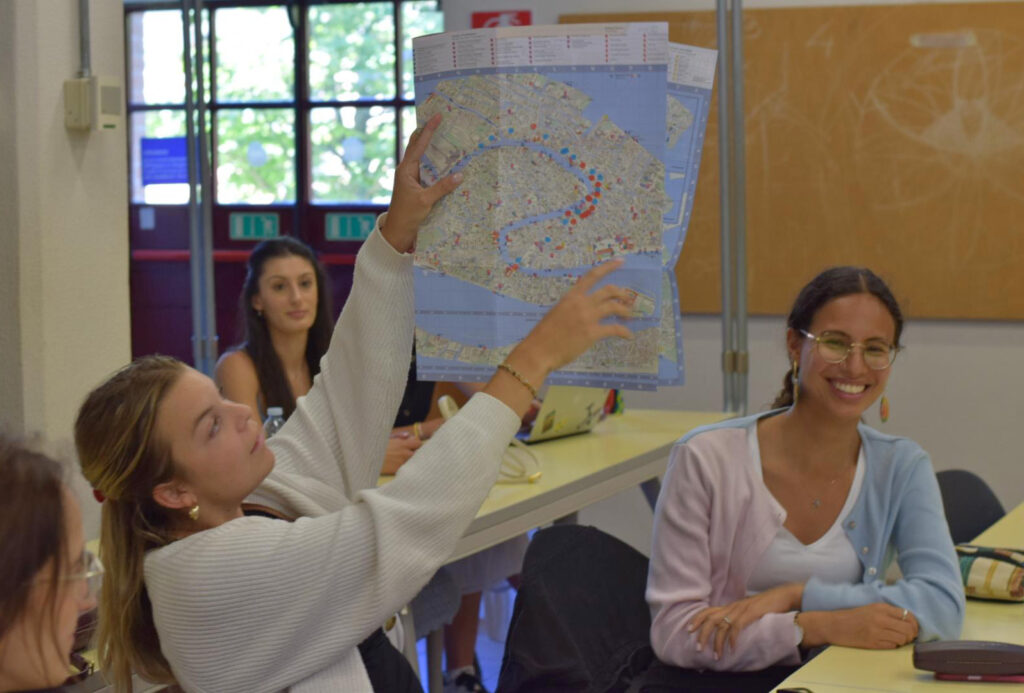
Venice thus became a “living lab” where theoretical concepts could be directly linked to on-site observations. The students documented their findings through field notes, photographs, maps and conversations with local residents.
Professional Exchange with Experts
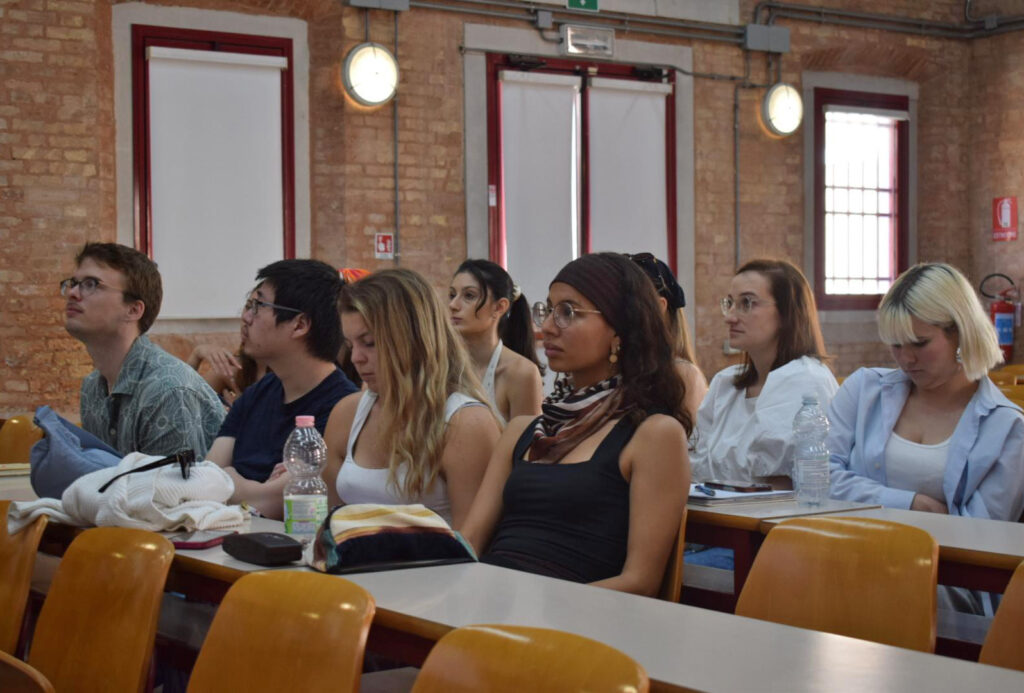
An important part of the field trip was the exchange with international experts. At the Università Iuav di Venezia, Giovanna Marconi provided the students with insights into methods for analyzing urban spaces. Andrea Baldin and Dario Cetocchi from the Università Ca’ Foscari Venezia spoke about overtourism and the cultural scene in Venice. The program was rounded out with a presentation on tourism acceptance and visitor management. The discussion focused on how destinations can manage visitor flows while simultaneously ensuring the quality of life for the local population.
Sustainability and On-Site Research
In addition to academic perspectives, the program also focused on tourism practices. During a visit to the Hotel Indigo Venice, the students gained insights into sustainable approaches in the hospitality industry and how they are implemented in day-to-day operations.
The excursion concluded with an independent research phase, during which the students explored individual research questions related to overtourism in greater depth. The excursion thus combined academic analysis, international collaboration and practical field research—and demonstrated just how complex the challenges facing tourist cities are today.
>> More information about the Master’s program in Urban Tourism & Visitor Economy Management