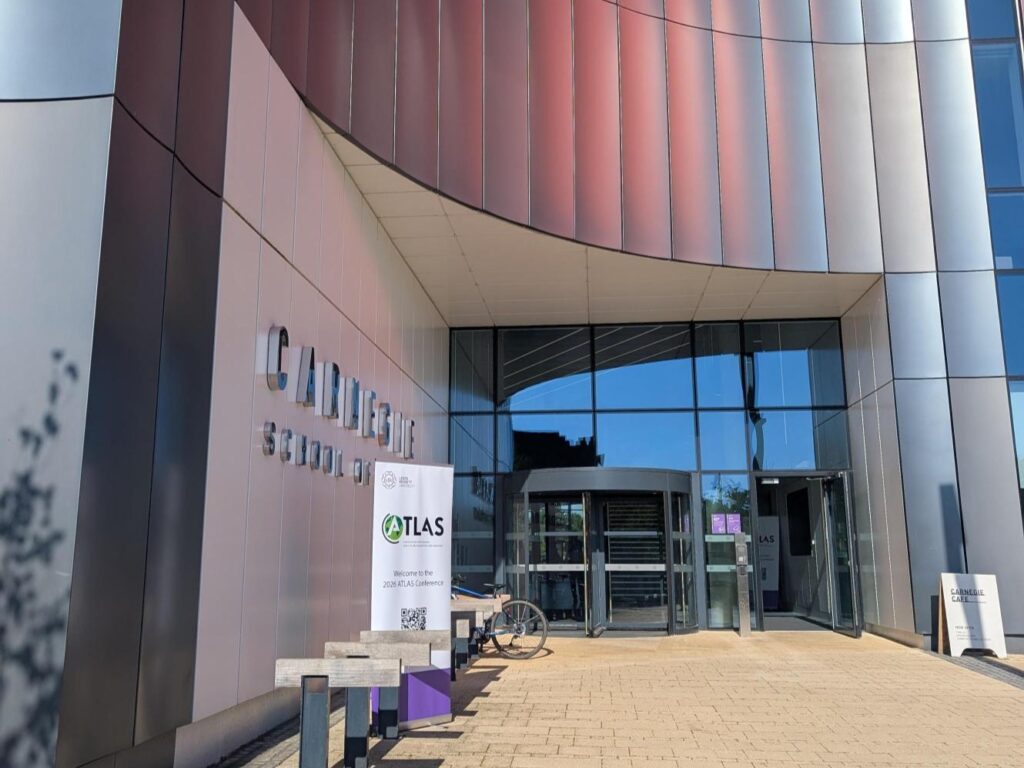
How can cities and tourism destinations cope with social, environmental, and economic crises? And what role do local communities, collaboration, and participation play in this context? These were the questions addressed at the international ATLAS Annual Conference 2026, which took place June 23–26 in Leeds, UK.

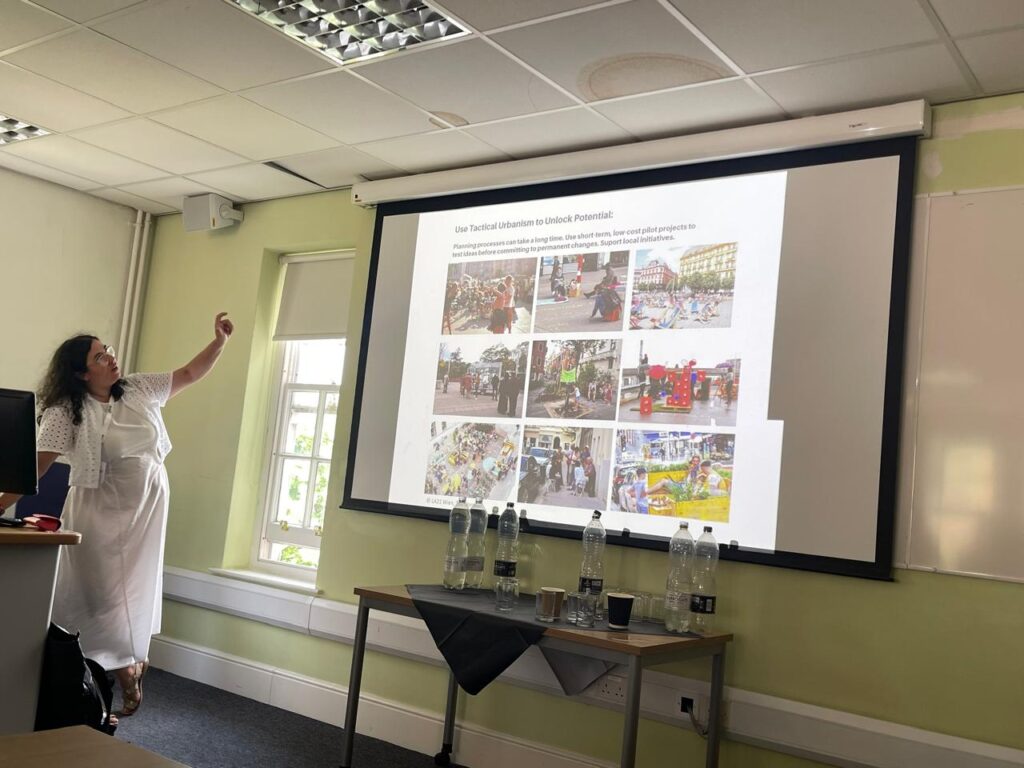
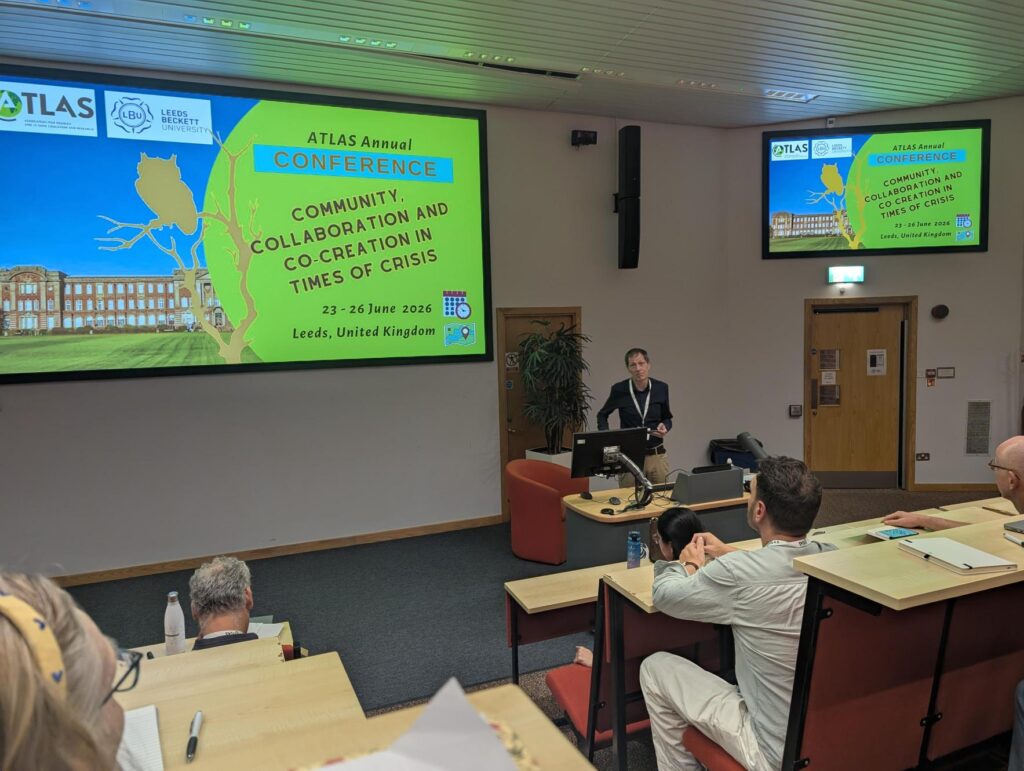
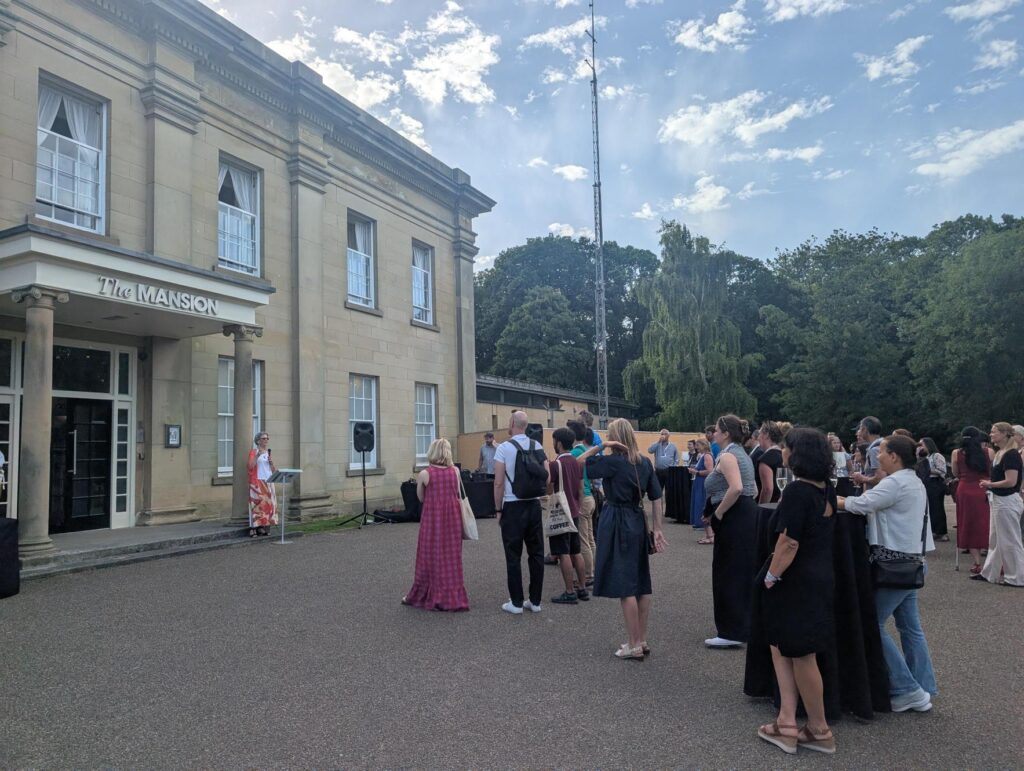
Cornelia Dlabaja, Endowed Chair for Sustainable Urban Tourism at FHWien der WKW, presented her research findings on care-based approaches in urban and tourism development and the current challenges facing cities to an international audience.
Ways Out of the Crisis
The 2026 ATLAS Annual Conference was titled “Community, Collaboration, and Co-creation in Times of Crisis”. The conference focused on the question of how collaboration can succeed in times when various crises simultaneously affect cities, destinations, and their residents.
To this end, the conference program addressed topics such as social inequality, climate change, and social fragmentation. Discussions included participation and power dynamics in tourism, grassroots initiatives, community-led tourism, and how local communities can respond to global changes.
Caring for the City: Thinking About Tourism and the City
These topics are directly linked to Dlabaja’s research at FHWien der WKW. For the past three years, as part of her endowed professorship, she has been addressing socially relevant issues at the intersection of urban life, tourism, and regional development.
A key starting point: Sustainable tourism development cannot be viewed in isolation from urban development. Residents, visitors, and workers all use the same public spaces and infrastructure—each with different needs and interests.
From Vienna to the International Debate
Through her research on sustainable urban and tourism development, Dlabaja brings to the discussion precisely the questions that also shaped the ATLAS Conference: How can different interests in cities be taken into account? How can communities be involved in development processes? And how can tourism and urban development work together to create livable and resilient places?
These questions are also relevant to Vienna. Among other things, the Endowed Chair provides academic support for the implementation of Vienna’s Visitor Economy Strategy and is developing a research program for sustainable and resilient urban and tourism development. Examples of this include the “Learning Journey Innere Stadt,” which explored the use and design of central public spaces by residents, visitors, and workers, and her contribution to the Vienna Playbook, where she applied placemaking as an interface between tourism, urban planning, and urban life.
Participating in the ATLAS Conference gave Dlabaja the opportunity to bring these perspectives into the international academic discourse. At the same time, it demonstrates how closely current issues in Vienna’s urban and tourism development are linked to international debates on community, collaboration, and co-creation.