How can the carbon footprint of buildings be assessed over their entire life cycle? This question was the focus of the closing event for the INDICATE LIFE project on October 13, 2026, at FHWien der WKW. Experts from the fields of research, politics, business, and education discussed the project’s findings and their significance for the real estate industry.
Reliable CO₂ benchmarks for Austria for the first time
The EU-funded INDICATE LIFE project aims to assess the environmental impact of buildings across Europe using a standardized methodology and to make these impacts comparable. To this end, the Austrian project consortium — comprising ÖGNI, Graz University of Technology (TU Graz), ATP sustain, and einszueins architektur — examined a total of 67 reference buildings.
The results provide, for the first time, national benchmark values for CO₂ emissions across a building’s entire life cycle — from construction through operation to demolition. The findings show that approximately half of the emissions occur during a building’s operation. The data collected provides an important foundation for future CO₂ limits and policy decisions aimed at decarbonizing the building sector.
From Scientific Findings to Practical Application
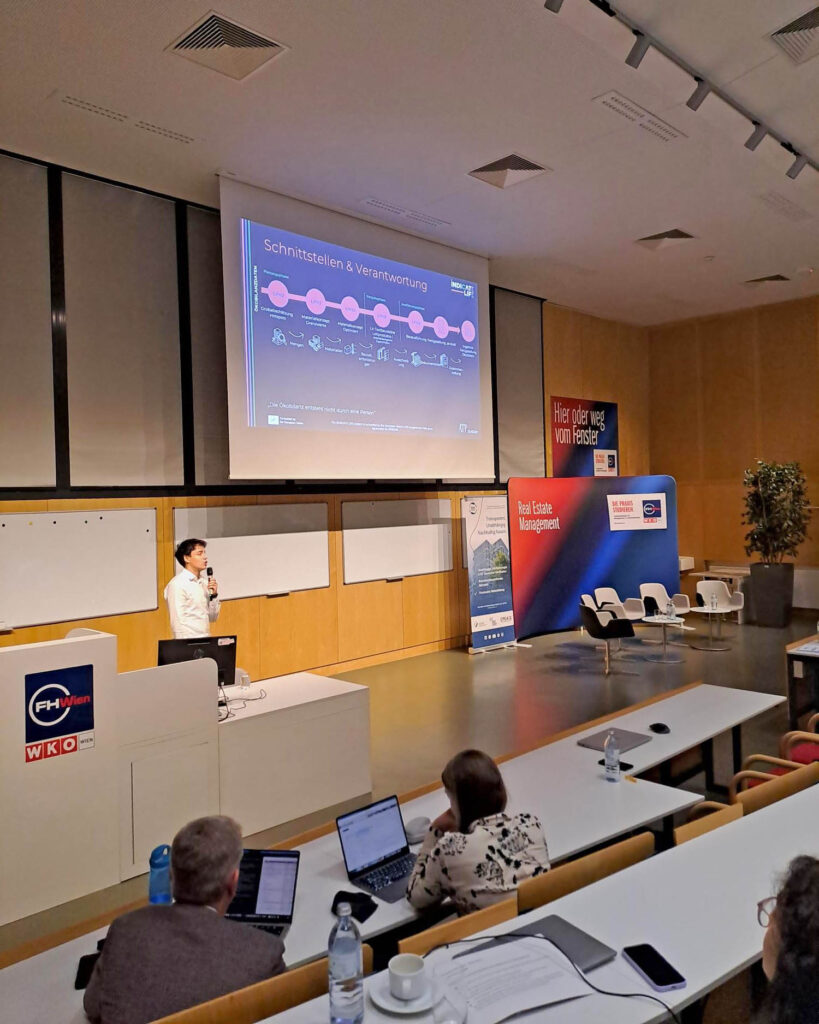
Experts such as Lisa Graaf from the BPIE (Buildings Performance Institute Europe), Tobias Samwald from ATP sustain, Markus Pendlmayr from einszueins Architektur, and Alexander Passer from Graz University of Technology presented current developments in EU regulations, the results of Austrian projects, as well as practical examples and challenges from the construction industry.
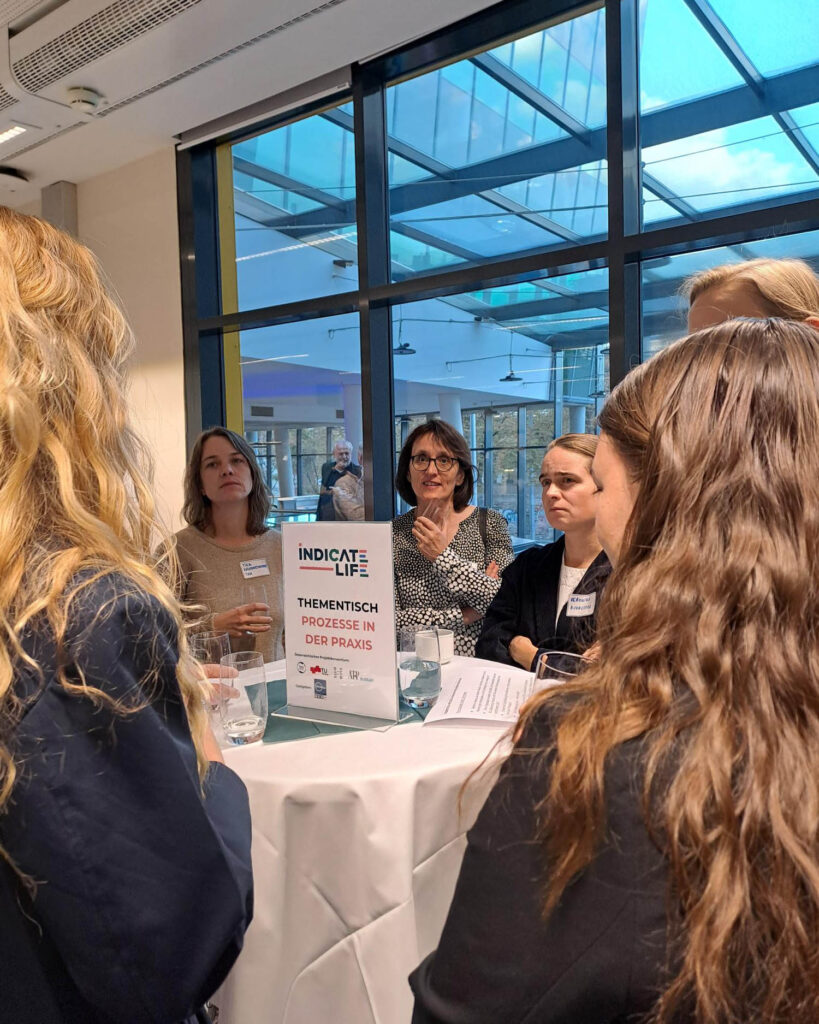
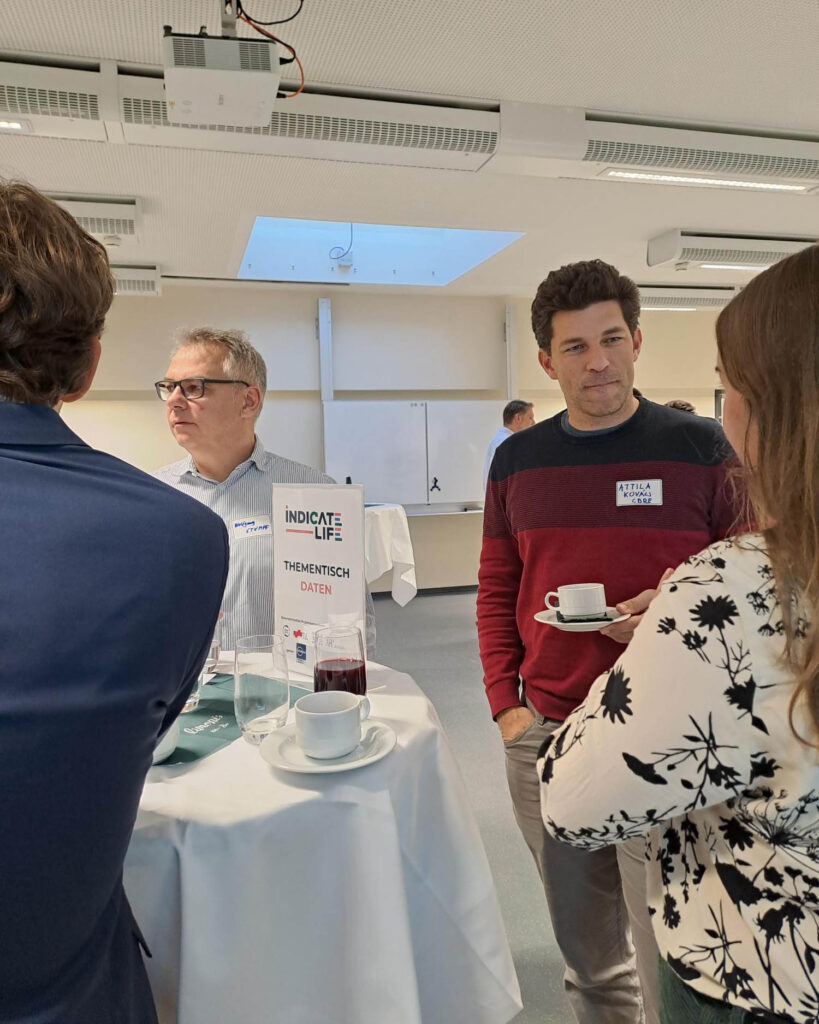
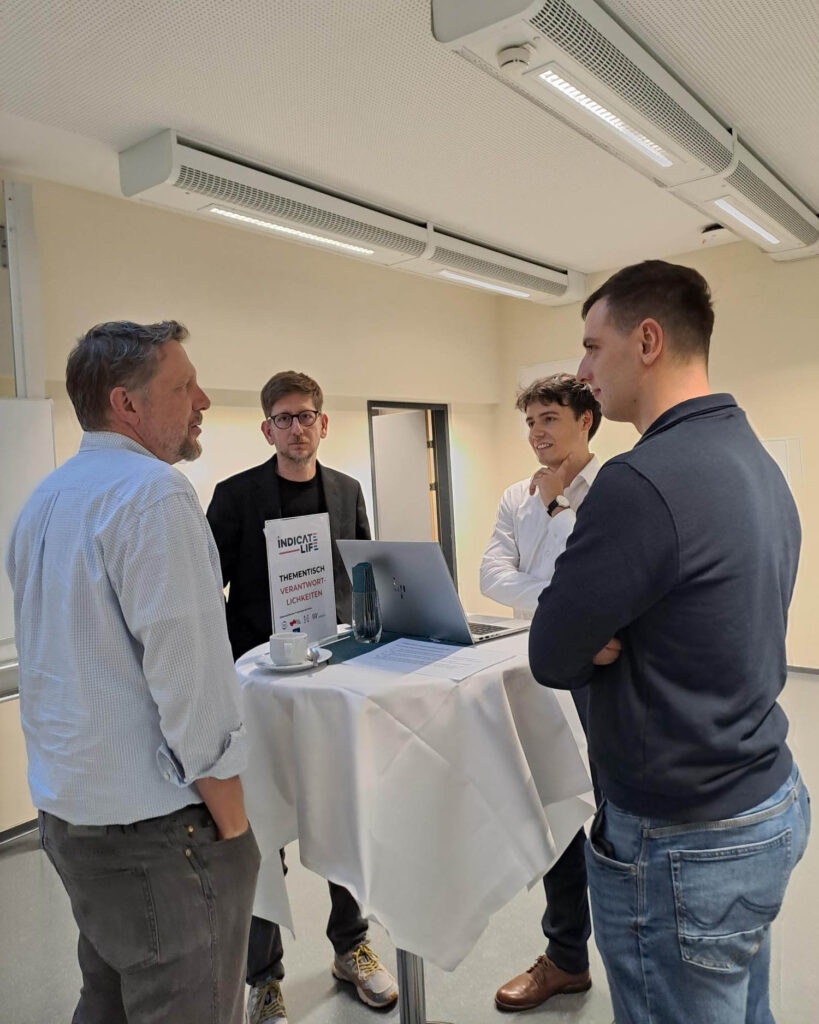
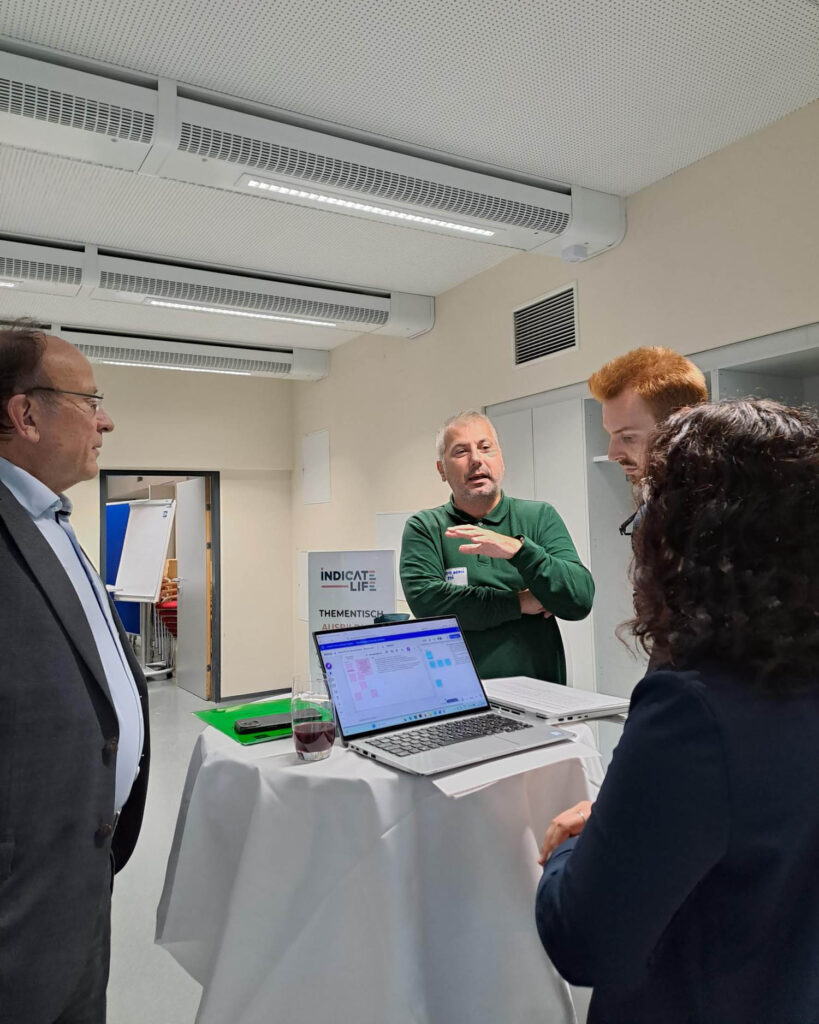
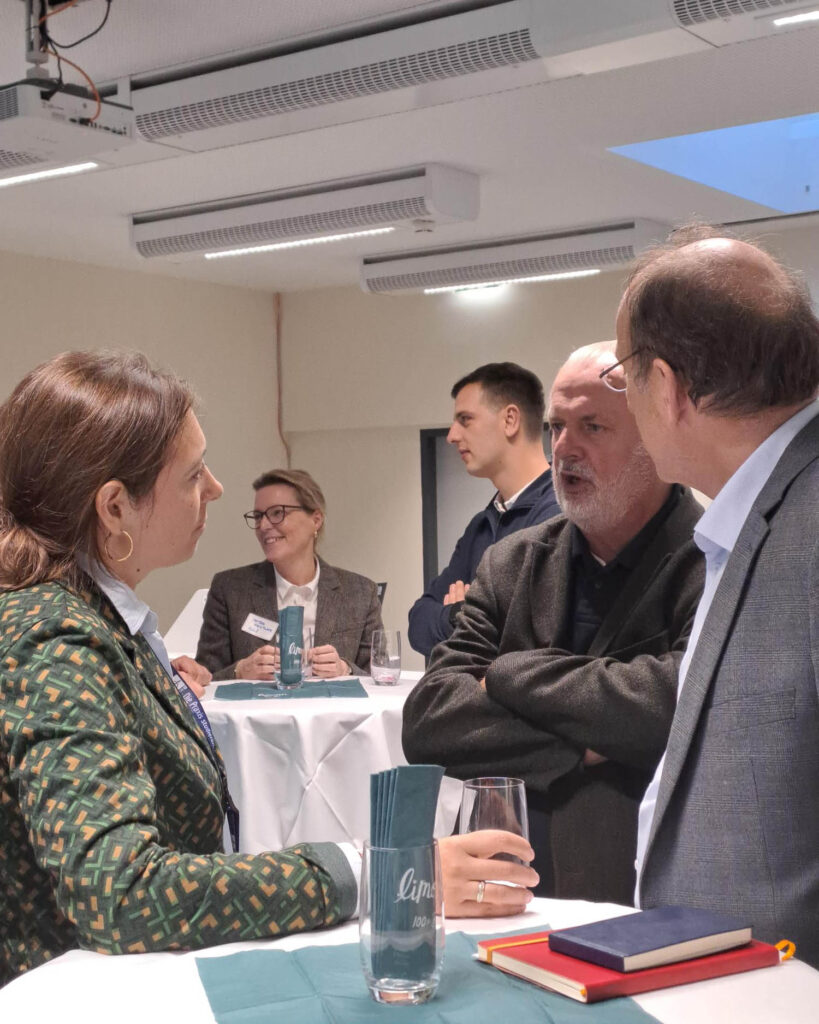
In subsequent small-group discussions, participants addressed the topics of data, training, responsibilities, and processes in practice. The results were directly incorporated into the concluding panel discussion.
Carmen Dilch emphasizes the importance of education
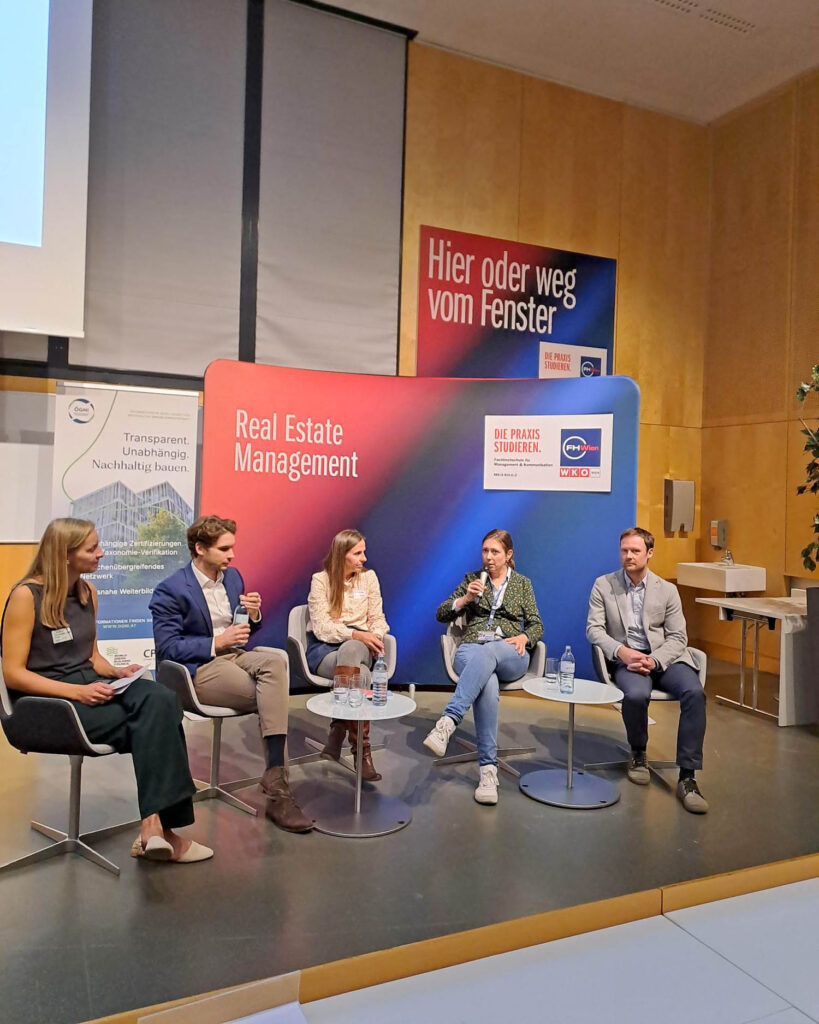
During the panel discussion, Carmen Dilch from FHWien der WKW, Hannes Warmuth from the Federal Ministry of Innovation, Mobility, and Infrastructure, Katharina Kothmiller from co-form zt, and Lukas Röder from Scale discussed the challenges involved in implementation.
Carmen Dilch placed particular emphasis on the importance of education and communication. Scientific findings alone are not enough: experts must be able to understand them, convey them clearly, and incorporate them into concrete decisions. This requires the ability to bridge gaps between different disciplines and stakeholders so that they can communicate with one another on an equal footing.
Dilch also sees a need for further action regarding the international comparability of building data. This makes it all the more important to prepare future real estate experts to handle complex sustainability data and interdisciplinary issues.
The event highlighted how closely research, practice, and education must collaborate to drive the sustainable transformation of the real estate industry.
>> More information about the Real Estate Management study programs