How does a successful project come about? Students in the Bachelor’s program Tourism Management didn’t just explore this question theoretically — they developed the answer themselves. As part of the “Applied Project Management” course, small groups independently designed two-day field trips, handling every step of the project planning process.
The planning phase concluded with a pitch session in which all teams presented their concepts to the entire cohort. The students then voted democratically to decide which projects would be implemented. The selected concepts eventually became a reality: In June 2026, four trips took place to Langenlois, Retz, and—twice—to Budapest.
Project Management Under Real-World Conditions
The course offers far more than just theoretical knowledge. Students experience the entire project cycle—from the initial idea through organization to actual implementation. This involved creating schedules, staying within budgets, developing programs, and communicating professionally with external partners. This allowed students to gain firsthand experience of the challenges that arise when planning complex projects and to understand how important teamwork, flexibility, and careful preparation are to a project’s success.
Four Destinations – Different Perspectives on Tourism
The field trips took the students to four regions with distinct tourism profiles and provided a wide range of insights into destination management.
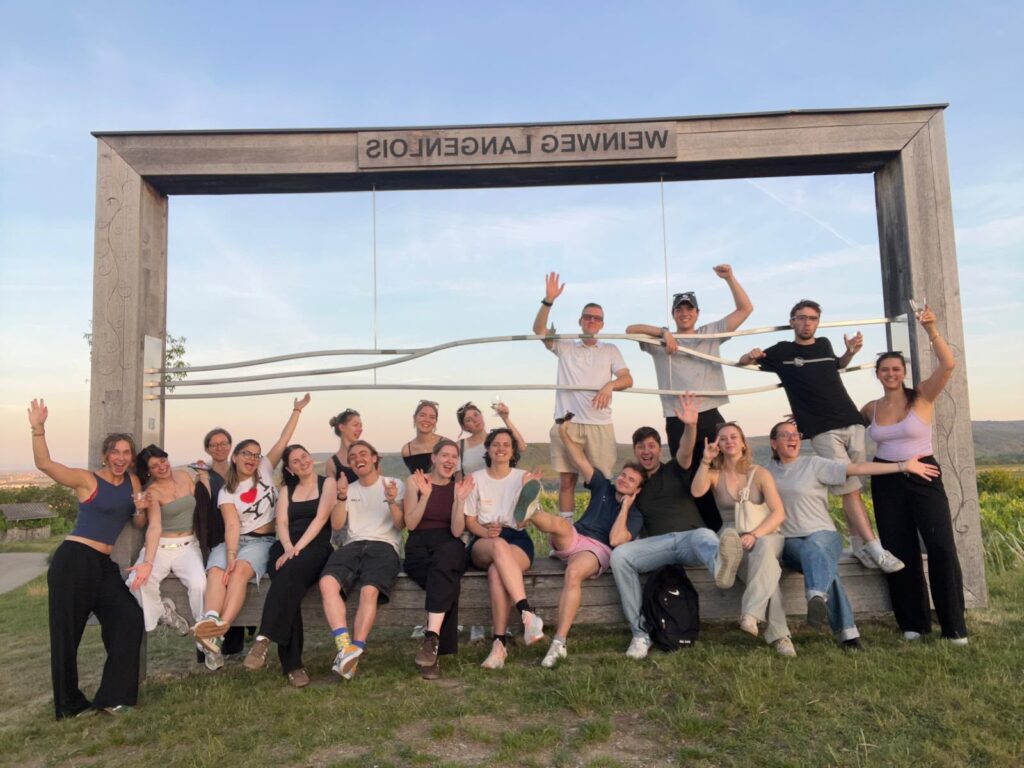
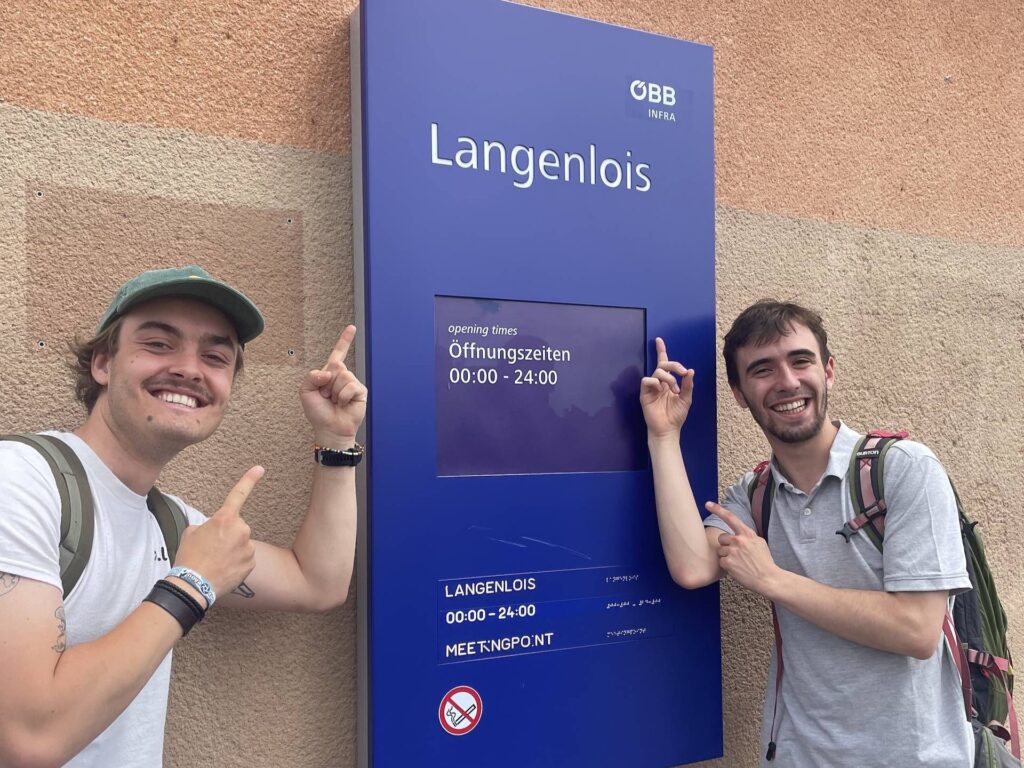
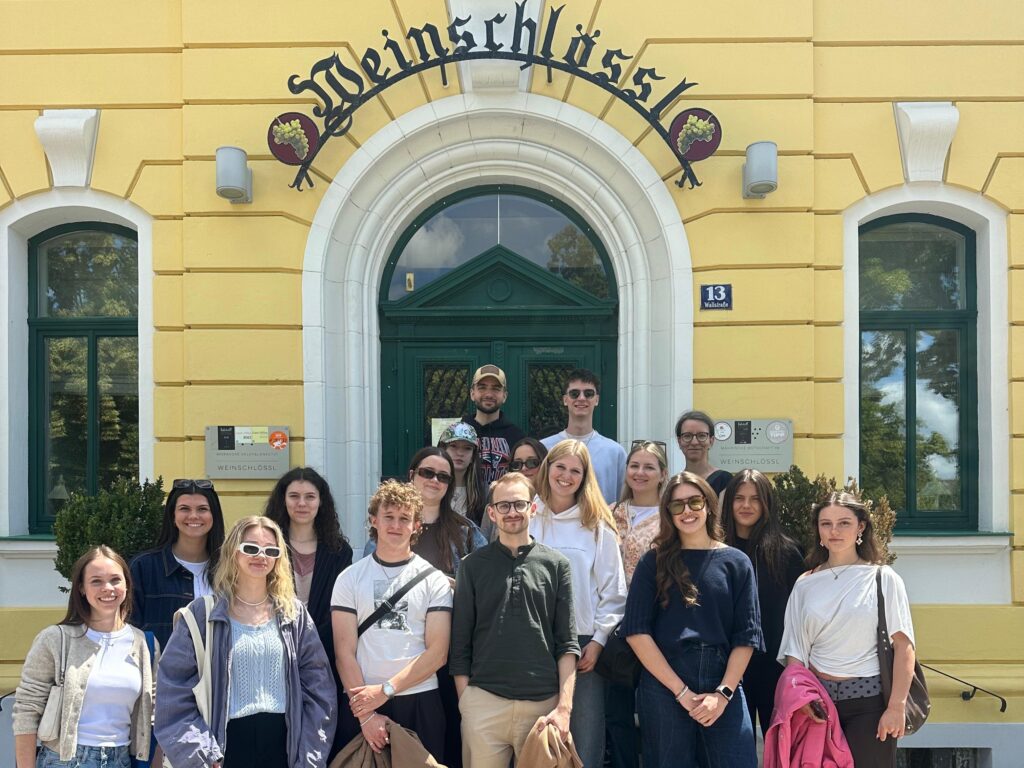
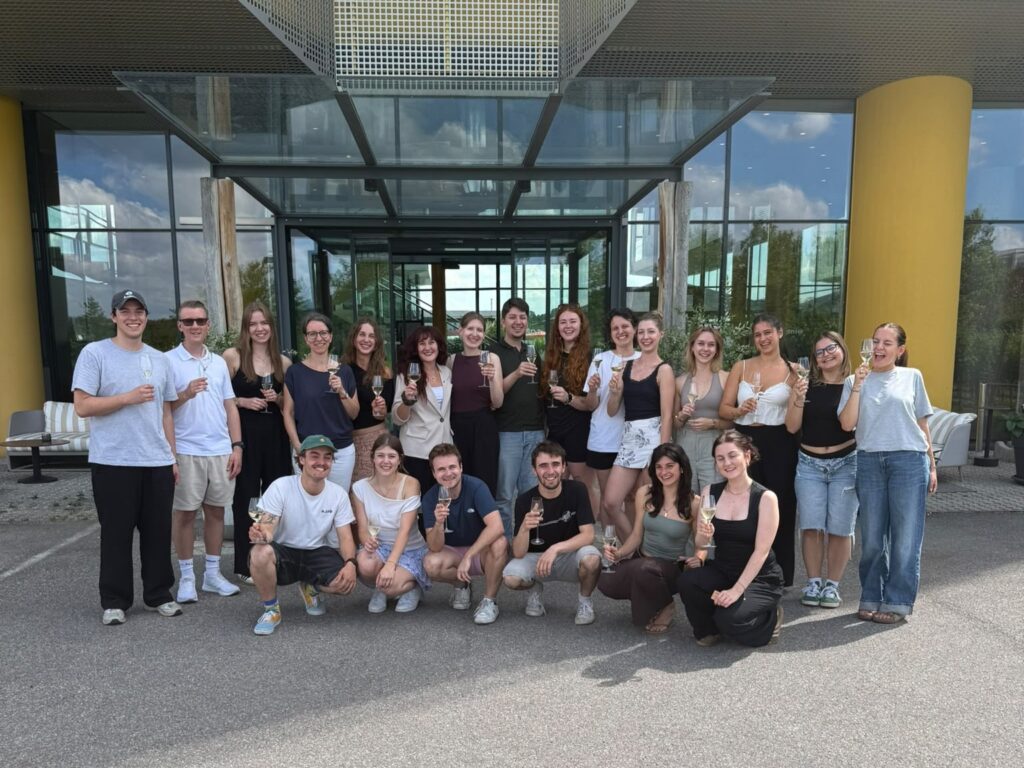
In Langenlois, the focus was on wine and culinary tourism. At LOISIUM Wine & Spa, the students gained insights into how hospitality, architecture, wellness, and storytelling come together as part of a holistic guest experience. During a guided wine hike, it became clear how the landscape and regional identity merge to form a tourism offering. They also visited the tourism association and the “Wine World” with its wine cellar, where wine was not only explained but also brought to life.
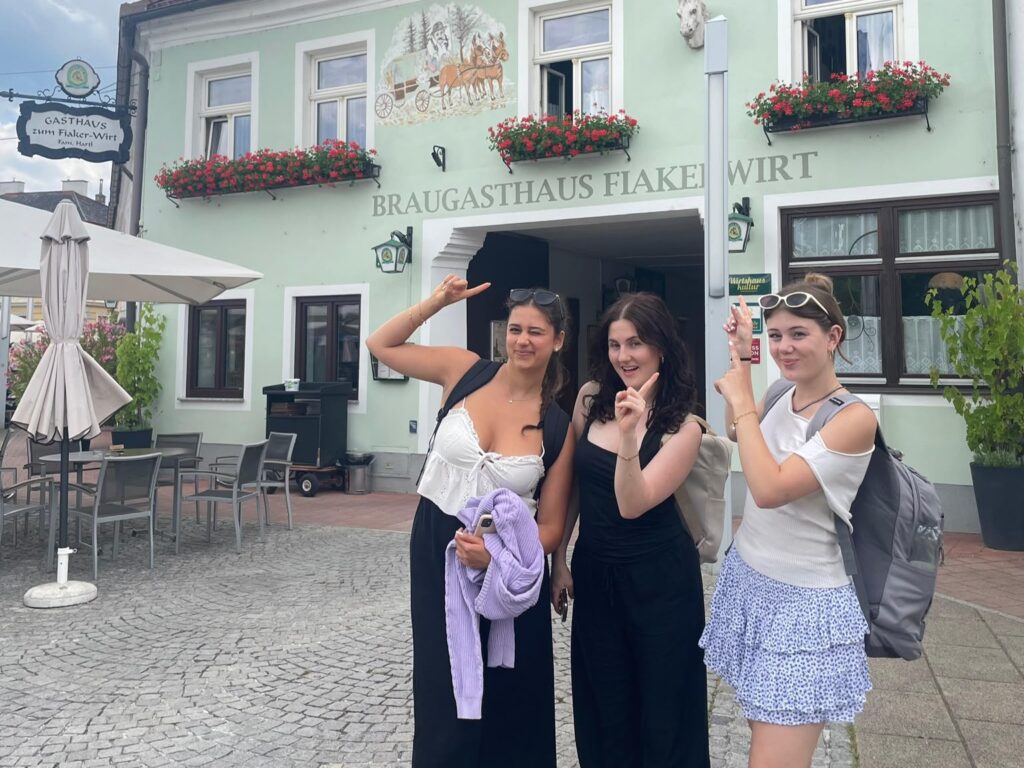
The field trip to Retz was also focused on wine tourism, but placed greater emphasis on the economic benefits of tourism within a region. After a guided tour of the newly opened Stadthotel Sgrafit, the students explored the Retz Erlebniskeller. A wine walk with tastings, a visit to the historic windmill, and presentations by regional tourism experts demonstrated how viticulture, cuisine, and events collectively shape a destination.
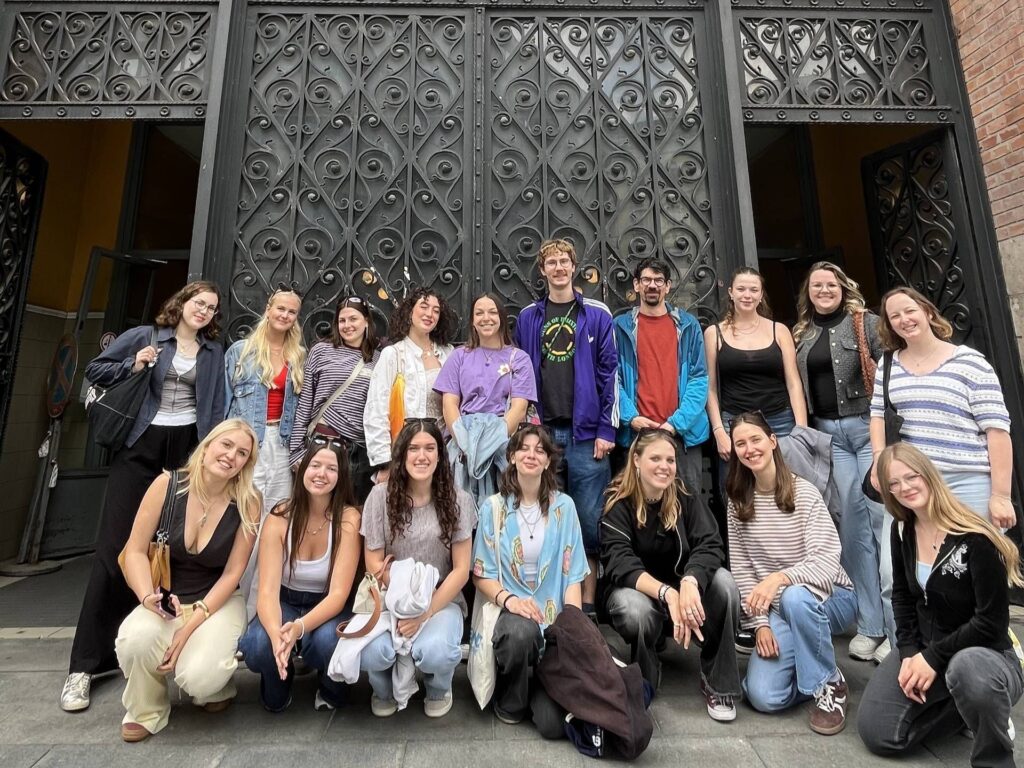
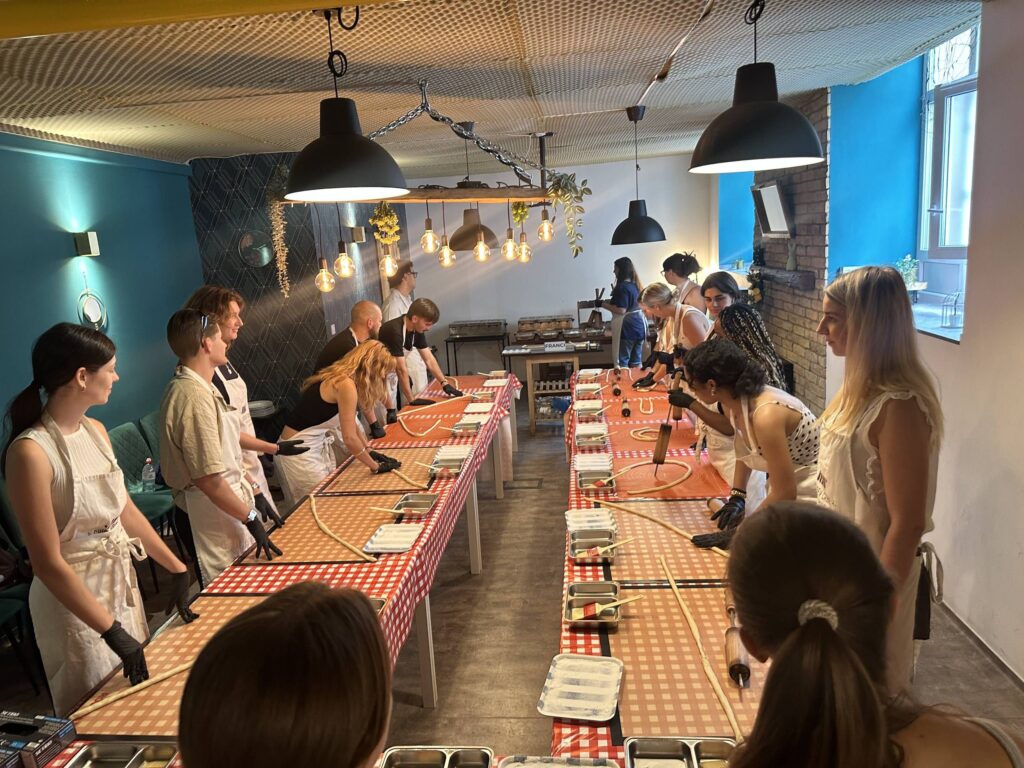
Two field trips were organized to Budapest, each highlighting different aspects of city tourism. One group focused on the interplay between cuisine, wellness, and destination management. After a guided tour of the Great Market Hall, the students visited the partner university, the Budapest University of Economics and Business, as well as the tourism organization Visit Budapest. Specialized lectures provided insights into the tourism development of the Hungarian capital, while program activities such as a Danube boat cruise, a visit to the Széchényi Thermal Baths, and a Baumkuchen workshop demonstrated how classic sights can be combined with interactive experiences.
Learning That Sticks
These four field trips serve as examples of how practice-oriented learning is implemented in the Bachelor’s program Tourism Management. A project idea gave rise to actual field trips that not only provided professional insights but also strengthened the students’ organizational and personal skills.
That’s how a project in the lecture hall turned into a hands-on learning experience.
>> More information about the Bachelor´s program Tourism & Hospitality Management