Identifying fake news, verifying sources, understanding AI tools: In early May, five students from FHWien der WKW took part in the Erasmus+ Blended Intensive Programme “AI & Journalism” in Madrid, where they explored the challenges of digital journalism. Together with international participants, they discussed disinformation, verification and the future of journalistic work in the age of artificial intelligence.
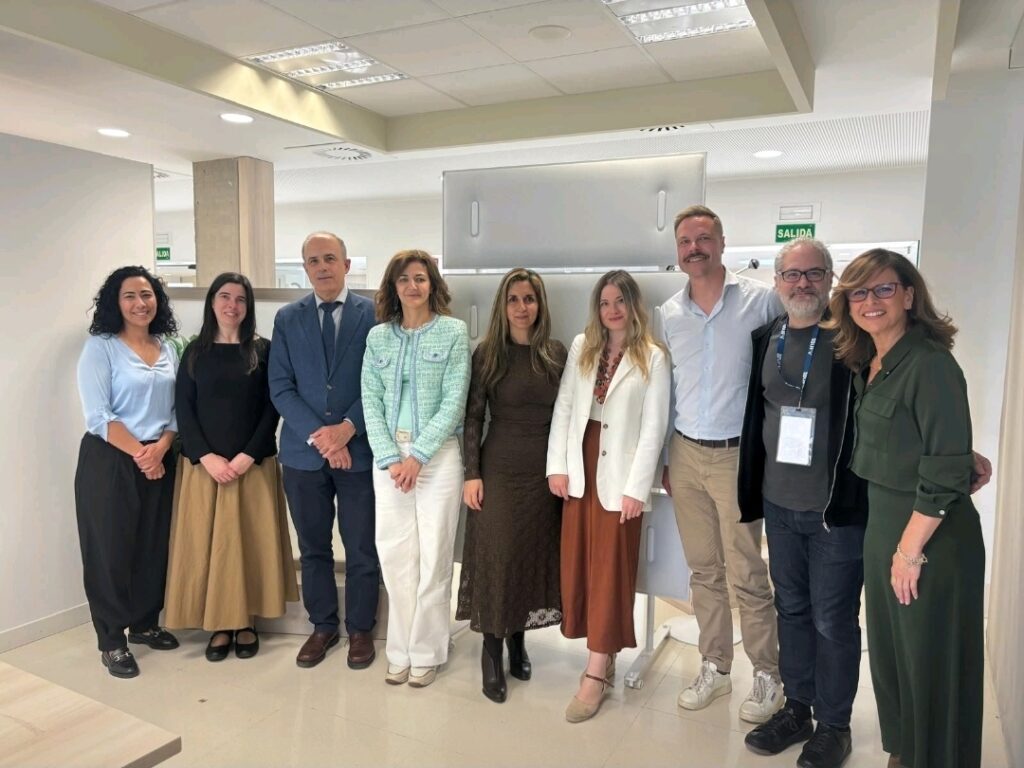
As part of an Erasmus+ Blended Intensive Programme (BIP) on “AI & Journalism,” the students spent a week working alongside peers from various European countries on the challenges and future prospects of digital journalism. The program focused on key issues such as disinformation, fake news, verification tools and the use of artificial intelligence in newsrooms.
Verification in Practice
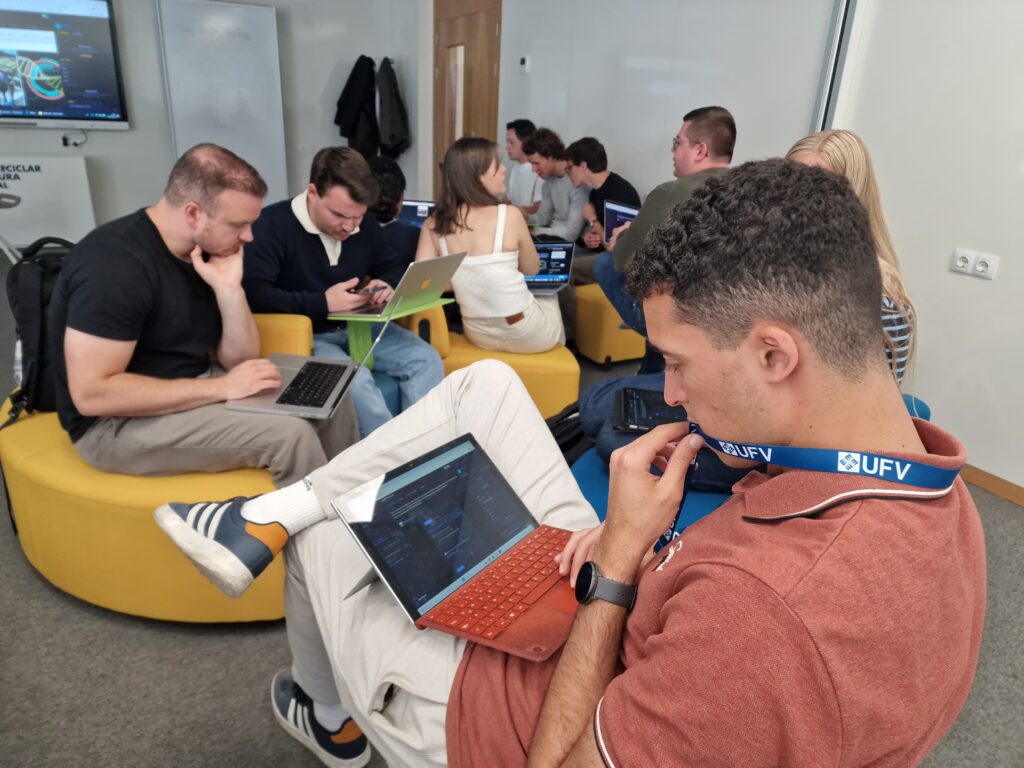
Through workshops and interactive sessions, participants explored how emerging technologies are transforming journalistic work and why rigorous verification is becoming increasingly important in an era of algorithm-driven information flows.
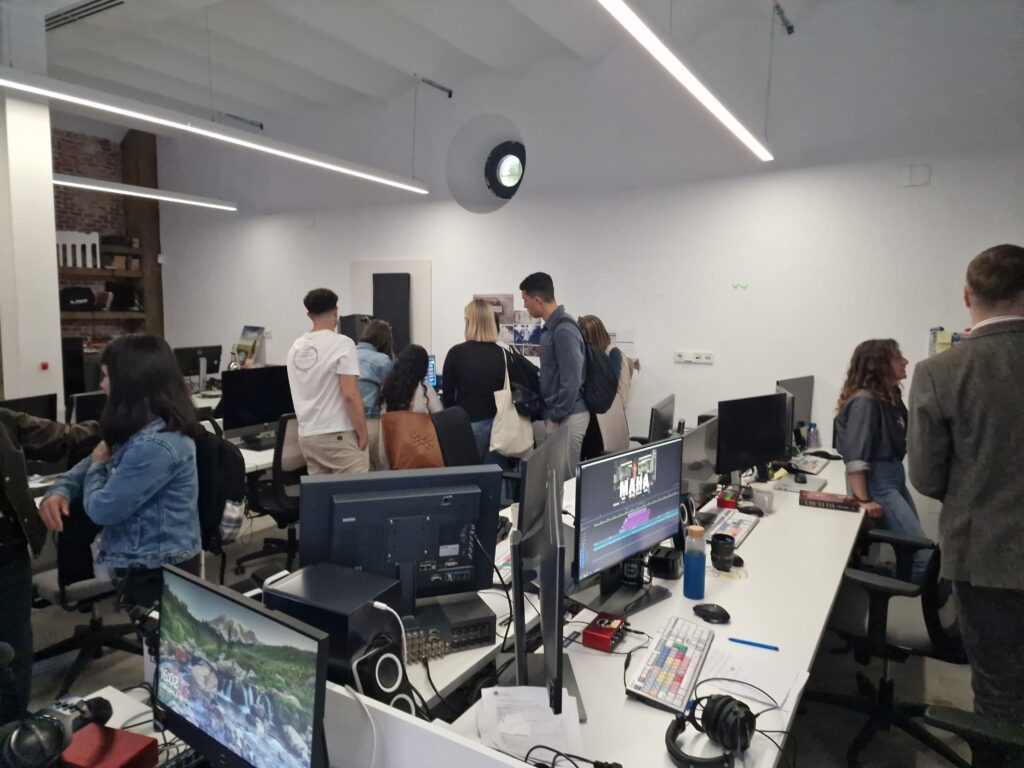
A particular highlight was a visit to a news verification agency, where students gained first-hand insights into professional fact-checking and verification processes. They learned how manipulated content can be identified, digital sources assessed and information verified before publication.
International Collaboration as Part of the Experience
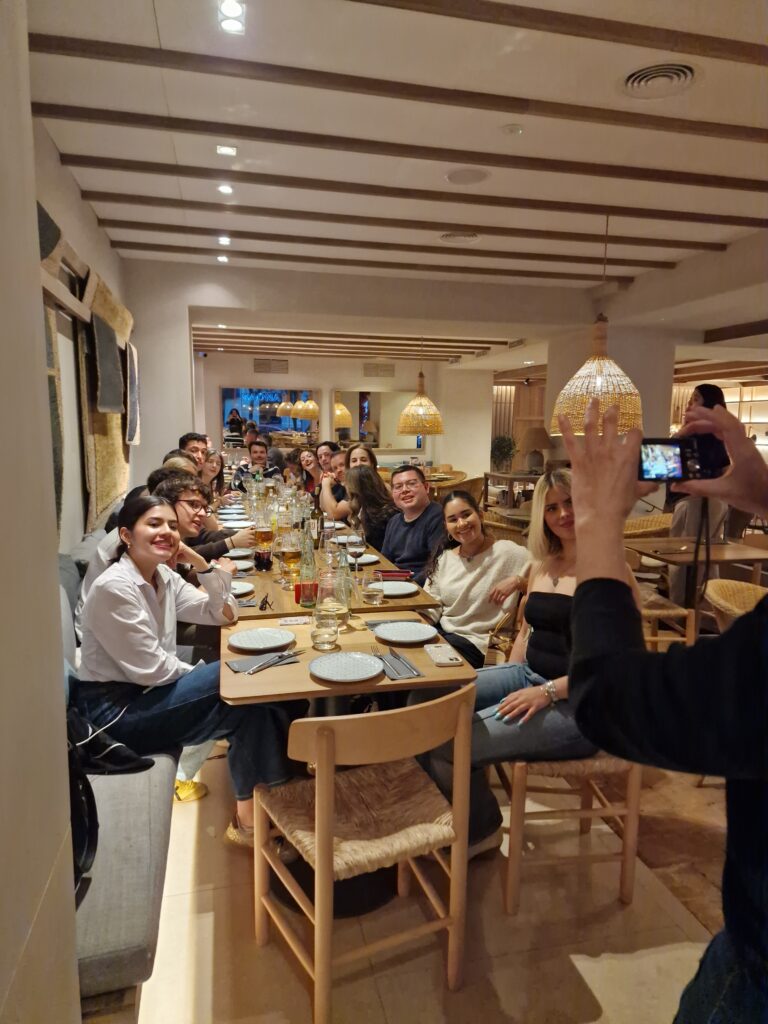
Alongside the academic program, collaboration in international teams played a central role. Through group projects and intercultural activities, participants exchanged perspectives on different media environments, journalistic standards and societal challenges.
For many students, this combination of professional discussion and international exchange was one of the program most valuable aspects. Questions surrounding AI, trust and disinformation are no longer confined to individual countries — they affect the global media landscape as a whole.
Envisioning the Newsroom of 2036
At the end of the program, the students worked in teams to develop their visions of the “Newsroom 2036.” Their projects explored topics such as AI-supported editorial workflows, new forms of audience engagement and ways to safeguard journalistic credibility in the future.
The final presentations demonstrated that technological innovation and journalistic responsibility will need to be considered together more closely than ever before.
Thanks to Our Hosts in Madrid
Special thanks go to Universidad Francisco de Vitoria (UFV) for its excellent organisation and warm hospitality. In particular, Martha Molina Diez supported the programme with remarkable dedication, openness and a keen understanding of the needs of an international group. As a result, the stay in Madrid became not only an enriching academic experience but also a personally rewarding one for the students.